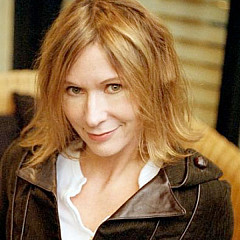
At the age of 15, Missy Higgins crafted the song "All For Believing" for a school assignment, later winning Triple J's Unearthed songwriting contest. Higgins' pure and candid songwriting seasoned with piano ballads navigated its way into the hearts of listeners. The aptly titled song spawned a career that garnered the Australian singer-songwriter worldwide accolades. Her debut album, The Sound Of White, produced the hit singles "Ten Days, "The Special Two," and "Scar," and won Best Pop Release at the ARIA Music Awards in 2004. This wasn't her only experience with the ARIAS - Higgins has been nominated for 25 ARIA Awards and won nine in her illustrious career.
Now Higgins is here with The Second Act, a beautiful arrangement of a life orchestrated through endings and new beginnings, fused together with painfully poetic moments. It was after her recent divorce that Higgins returned to the confessional and raw songwriting that she first began her career with, and the catharsis in it proved healing for both her and fans alike. Those listeners who have been on this path with Higgins for 20 years found themselves on similar journeys - examining middle age, divorce, single parenting, or merely examining that fresh start in life where no one's there to give you the answers. For those who have experienced any type of life-changing event, listening to these songs is like having a conversation with a friend who completely understands you, and brings comfort instead of judgment.
In between the bookends of The Sound Of White and The Second Act are On A Clear Night, The Ol' Razzle Dazzle, Oz, Solastalgia and multiple EPs that each have their own distinct world inside them. As a songwriter, Higgins has the capability to perfectly capture the essence of a moment and gorgeously reveal it in a song. She lures the listener with evocative emotion, introspective lyrics and the emotive balance of yearning and confidence. When you wish someone could understand what it is you're going through, there's Missy Higgins. Her second act is certainly worthy of an encore.
Nicole Roberge (Songfacts): You've had quite a year with The Second Act tour and the album, which recently reached #1 on the ARIA charts. It must be overwhelming and wonderful at the same time, to have this be so well-received when it was such an emotional time for you.Now Higgins is here with The Second Act, a beautiful arrangement of a life orchestrated through endings and new beginnings, fused together with painfully poetic moments. It was after her recent divorce that Higgins returned to the confessional and raw songwriting that she first began her career with, and the catharsis in it proved healing for both her and fans alike. Those listeners who have been on this path with Higgins for 20 years found themselves on similar journeys - examining middle age, divorce, single parenting, or merely examining that fresh start in life where no one's there to give you the answers. For those who have experienced any type of life-changing event, listening to these songs is like having a conversation with a friend who completely understands you, and brings comfort instead of judgment.
In between the bookends of The Sound Of White and The Second Act are On A Clear Night, The Ol' Razzle Dazzle, Oz, Solastalgia and multiple EPs that each have their own distinct world inside them. As a songwriter, Higgins has the capability to perfectly capture the essence of a moment and gorgeously reveal it in a song. She lures the listener with evocative emotion, introspective lyrics and the emotive balance of yearning and confidence. When you wish someone could understand what it is you're going through, there's Missy Higgins. Her second act is certainly worthy of an encore.
Missy Higgins: I really wanted this album to go to #1 more than any that I've made in the past because it was so raw and personal to me, and because I recorded it all myself at home. It felt very much like, If this can do well, then anything can. So much of what you hear on the radio is from people 20 years younger than me and it's songs about young love and breakups and the beginning of a relationship or the end of a very short one and it's all explosive stuff, but you don't hear many albums about the rebuilding of yourself at the age of 40 after a marriage breakdown and trying to navigate being a single parent and the reality of looking at a future that is very, very unknown and unplanned for. It felt so true to me and it also was such a hard album to make because of what I had gone through and the emotional journey that I'd had to take to write about. It felt really gratifying when it was received well.
Songfacts: Many people have traveled through your career with you, experiencing those early emotions of The Sound Of White, and who may be in that midlife, divorces, single parents phase now. Are you finding that connection with your fans through interactions now?
Higgins: Yeah, definitely. So many of my fans are my age now and going through similar things. Even if it's not divorce or becoming a single mom, it's some sort of reassessment of identity and some big shift in their lives which is making them take stock in a massive way. It tends to happen to people when they get around my age, especially women. I think they go through this stage, a lot of reckoning with self and identity. So the response to it and the feeling that so many people relate to this album was the biggest surprise of it all, really.
 Songfacts: Did you consciously set out to write this album with the intention of the songs having this theme, or were you writing to process your own emotions that come with a divorce and navigating coparenting?
Higgins: To be honest, I don't think I set out to. I probably knew when I started writing that it was going to be an album about this breakup, because it was such a massive, life-altering thing for me. I knew I had so many different things to work through and so many different confronting emotions that had risen up as I was trying to navigate dating again and working out my new relationship with my ex and finding my feet as a single mom. There were so many things I had to work through, and songwriting is how I work through everything in my life. I think I knew it was going to be about this, but I didn't set out with the theme as such. I pretty much wanted to use songwriting as a way to work through the feelings inside of me, start seeing it as a way to process it all, and move on.
Higgins: Yeah, I mean I have always been very raw, but this whole album takes it to a new level. "You Should Run" is very unflattering. I think with all my songs, I've been pretty good at being honest and looking at myself in an honest and humble way, but I don't think to the degree that I did with this album. "You Should Run" comes from a really ugly place. It came from a place of detesting myself and feeling so much shame, and basically saying to this person that my life is so hard and unattractive right now, you should really do yourself a favor and find someone who has a much simpler life and is not so screwed up emotionally. At the heart of it, it's ultimately a cry for help, but it's also wanting this person to prove that they're strong enough to love me and stand by me through the really hard stuff.
Songfacts: Was that the first song you wrote for this album?
Higgins: No, the first song I wrote was "Story For The Ages." It took me a really long time to write. I started it many times and I had many versions of it. It was almost like I had to get the cork out of the bottle. It was really hard to get out, and then once I got that out, the next song flowed really well. But that song was so comforting, starting to write for the first time about this experience, because it took me about a year or more after the breakup to write and get enough space from it to be a little bit objective. I wrote that first line: "It was never meant to be like this." I sat down at the piano and I played two chords and sang, "It was never meant to be like this," over and over again. And I cried and cried and cried because saying that line to myself, I was admitting to myself that that was the crux of my sadness. Was it just that I had planned something different, and this is not what I planned, and this is not how the story was meant to go? I felt like that line had really got to something and got me deep in the heart. I cried for a long time and then slowly started to build the song.
Songfacts: I imagine how difficult that must have been, but also probably cathartic. You must have learned things about your own self and relationships through the writing of the album in a therapeutic way.
Higgins: Yeah, I learned a lot. I mean, I always do. That's why I do it. I'm not very good at normal therapy. My therapist said to me that she thinks perhaps songwriting is my therapy. I'm not very open in sessions. I'm not good at talking about myself and my feelings in real time until I've sat down with an instrument and figured it out myself in my own time. The big realization was that the theme of this album was going to be the stories we tell ourselves. That was one of the realizations I had with that first song. I had a very distinctive story in my head and was very attached to that story. My whole identity was attached to the story that we were going to be this marriage that lasted forever and be this family. Because that story didn't work out, I was completely lost. I deal with that realization in a lot of different ways across the album.
Songfacts: "A Complicated Truth" is a conversation with your daughter, explaining why her parents aren't together. The lyrics are very relatable for single parents, but the things people are afraid to speak about openly. Were you worried about being so open?
Songfacts: You've been telling these stories on tour as well as singing them. That must be part of the healing process.
Higgins: Yes, it has been. It's really cathartic when you're on stage telling the stories behind the songs. I love making people laugh when I'm talking about myself because it's a nice contrast between the real weight of the songs once I start playing them. We do have these dark times and difficult things that we work through in these songs. I'm working through the toughest things that I've ever been through. But at the end of the day, I can look back on it and know that it's just a part of the journey. Laughing about it and crying about it together, it's all part of working through very difficult experiences together and relating to each other and feeling connected to each other in our very human experiences.
Songfacts: Did it seem during the process to be a sort of sequel to The Sound Of White, or was that realized at the end?
Higgins: This is something I realized at the end and it wasn't intentional at all. Without realizing it, I had gone back to the old way of writing, which is very introspective and very unselfconscious. I was so young with my first album, and I didn't know if anyone would listen to my songs. It was my first experience of pouring my heart out and I hadn't had any experiences to show that maybe I should protect myself a bit more. By putting yourself out there, you're opening yourself up to scrutiny and judgment. All of that was not in my consciousness. It was this very free-flowing process writing those songs and a lot of them I wrote as a teenager in my bedroom just working through my teenage angst.
But this album, I was unselfconscious for very different reasons. I've come to the point in my career where I feel much less pressure to get #1 singles or albums, get my song played on the radio, or to impress anybody. I've had a really good run and proven to myself that I have the ability to have a long-standing career. I know that I have fans that will come to my shows and listen to whatever I put out. I feel very lucky in that way and that afforded me a lot of freedom to let go and follow my intuition completely and not think about or worry about the final product or if it would sell or not. Also, a part of me doesn't really give a shit anymore what people think. When you're going through something so full on, so tough emotionally, that's the last thing on your mind. Because music is so therapeutic and I was going through something so tough, my #1 priority was to stop the pain, and wanting people to like the songs came later.
Songfacts: You celebrated the 20th anniversary of The Sound Of White this year. When you look back at "All For Believing," especially being a parent now, is it fathomable to you that you wrote that at 15?
Higgins: That's incredibly young to me now. I play it every night and I still quite like it. There are a few lines in it that I think are very cringey. As a song in general, I like it musically and I think it's really well-written. I can't believe it, when I think about my kids, that's like six years away from my son's age. He's never even picked up an instrument, let alone tried to write a song. To think he'd be that emotionally mature at that age. I guess kids grow up very, very fast, particularly girls. They're quite in touch with their emotions from a very young age. But this feels like a completely different person - the teenage version of me.
Songfacts: "Scar" is a deeply introspective yet vibrant song that had such a positive reception, debuting at #1 on the ARIA charts. What does that song mean to you, and do you continue to get the same response to that song?
Higgins: It's awesome. I love playing "Scar." I went through a few years in my 20s where I resented that song because I didn't want it to define me. I don't think I had enough albums and success under my belt in order to have the confidence to be able to enjoy the success of that song and not feel threatened by it. But now enough time has passed and all I see is the joy on people's faces when I sing that song, and it's so fun. Everybody comes alive in the audience and gets to their feet and sings and claps along. It's one of the best parts of the show.
Higgins: I've always had a difficult relationship with co-writing. Jay Clifford was a really sweet guy, and I did enjoy that process. It's funny, because I remember I wrote the verse and the chorus for that song, and I brought it to him. He basically said, "Why don't you swap the chorus for some of the verses, and make the verses the chorus?" It was such a small thing, and that was kind of all he did, but it's actually massive. It kind of made the song, and it made the well-loved chorus it is today, and he was right. Sometimes it takes an objective opinion to go, "I reckon it's almost there. You just need to switch these two things around." That was really cool and they're my favorite kind of co-writes because that song is ultimately true to who I am and my vision, but the arrangement has been helped and sculpted by someone with the ability to step back and has a really good ear for a pop song.
But some of the experiences have been really crappy and that's what I ended up writing "Scar" about - a couple of really crappy co-writing experiences that I had. I've written so many great songs in co-writing sessions but I've written way more bad songs and they're really painful experiences. All the ones that made it onto the albums have been wonderful experiences with wonderful musicians and songwriters, but there were dozens and dozens of horrible pop songs that I made with people that I really didn't gel with. It's very vulnerable. It's like dating or going to speed dating - you have to go through all the bad ones before you finally connect. I don't really do it anymore. The only reason I did it was because I felt the pressure from the record company and the public to make another album really quickly, but I don't feel that pressure anymore. I don't mind waiting six years between albums so I can take my time and ultimately, I think that I can write better songs by myself, if I give myself the time. I hear from people that do co-writing all the time that you get over the uncomfortableness of it. The more you do it, the better you get at it. I think writing so many songs that were formulaic and really bad pop songs, that I would feel guilty putting them into the rotation of bad pop songs that already exist in the world. I would rather spend three months on a song that I wrote myself.
Songfacts: You've always written from your heart. Did you feel from the beginning of your career like it was ok to be vulnerable in your music and writing?
Higgins: I got a bit more guarded in my 20s. It became safer to write songs about causes I believed in or write about other people or experiences that were more external than internal. All my albums have had very personal things on them. I've always tried my hardest to get to the truth of whatever I'm going through, but I think this album is way more vulnerable than I've ever let myself be. If I was 26 and you asked me how vulnerable I was being on my album, I would say, "Completely, 100%."
But looking back, I don't know if I was because compared to this album, those albums sound very surfacy and very much like I'm dealing with personal matters, but I'm not dealing with unattractive stuff. There's a humility to this album which can possibly only happen with age. And also, maybe from a big "failure" that has been a very humbling experience. You don't quite realize that your identity is all wrapped up with this egotistical view of where you stand in comparison to other people in society. I didn't realize at the time, but I obviously thought it was superior - I was superior for being able to make my marriage last and keep my family together. And then, now that that hasn't happened, I realized that of course I wasn't superior in any way. Ultimately, it's not a failure at all when all we're doing is the best we can, but you don't realize these very inherently arrogant thoughts that are so deeply embedded in your identity that you can't see the critical layers. I feel like I've been beaten down after the divorce, and by the Wheel of Time, which is ultimately a good thing. After this whole album run, like a few years after the divorce, I'm starting to talk to myself in a nicer way and get my confidence back. I'm trying to say things and talk to myself in a compassionate way. I wrote this album in the midst of all my shame and disappointment in myself, through depression and disillusionment. The fact that I wrote the album in the middle of that, like deep in the aftermath of that, was the brave thing to do. I don't think in previous years I would have been brave enough to write about it until at least I was in a stronger place.
Songfacts: You're being inducted into the ARIA Hall of Fame in November. Congratulations on that achievement. What does that honor mean to you?
Higgins: It means an incredible amount, I'm almost embarrassed of it. I've been around for more than 20 years, so I certainly fit the criteria, but I didn't realize I was at that point where you look back and have the retrospective of your career. It's absolutely wonderful and it's been an amazing top off to an incredible year with this album going to #1 and a sold-out tour, which is the biggest tour I've ever done. It's very validating that my music still connects with so many people over the years. I feel very honored and very lucky.
Songfacts: If this is your divorce album, what story do you hope your next album tells?
Higgins: That I've fallen madly in love. That's good. I don't know, to be honest. I would love for it to be this really happy, upbeat, pop album. It would be so amazing to be able to write a feel-good album of happy songs. I don't know if I'm physically capable of writing an upbeat, feel-good, happy song, but it would be amazing if my life were at that point and that's what I came up with. So yeah, let's put that out to the universe.
October 30, 2024
For album details and tour dates, visit missyhiggins.com
More interviews:
Ingrid Michaelson
Lenka
Jay Clifford of Jump, Little Children
photos: Tajette O'Halloran
More Songwriter Interviews