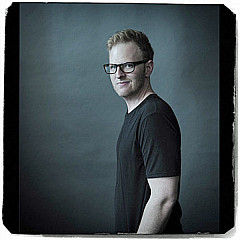
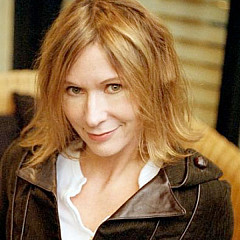
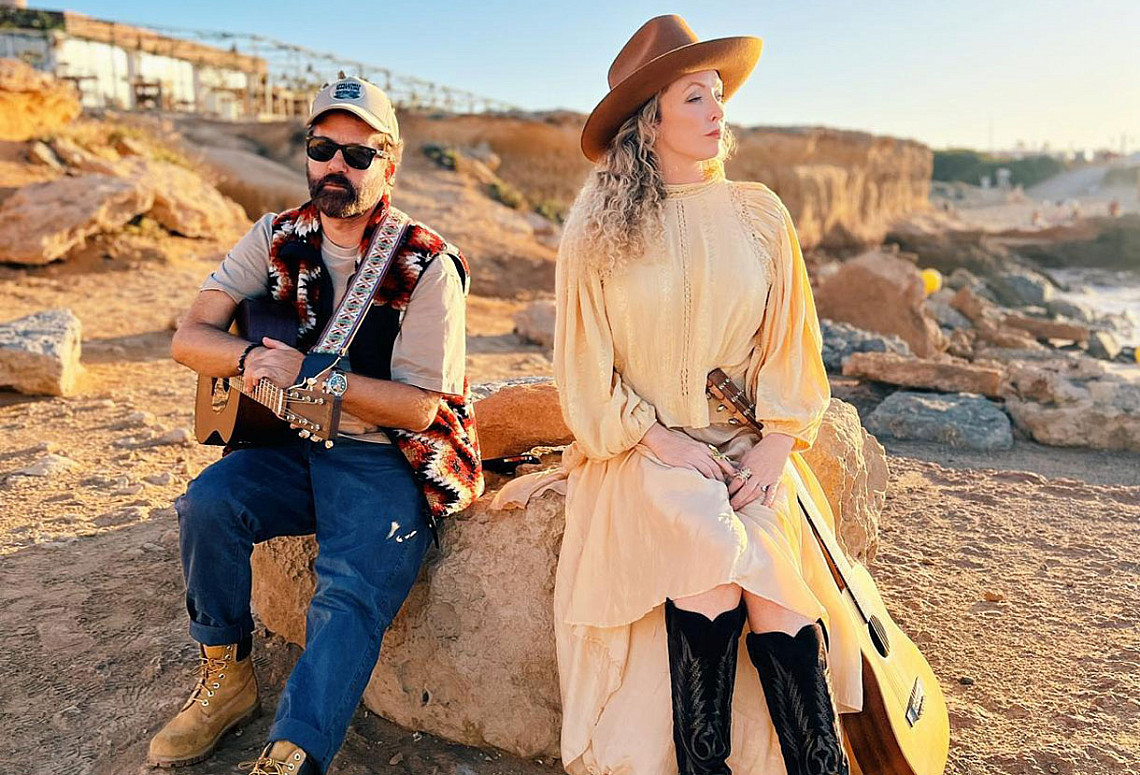
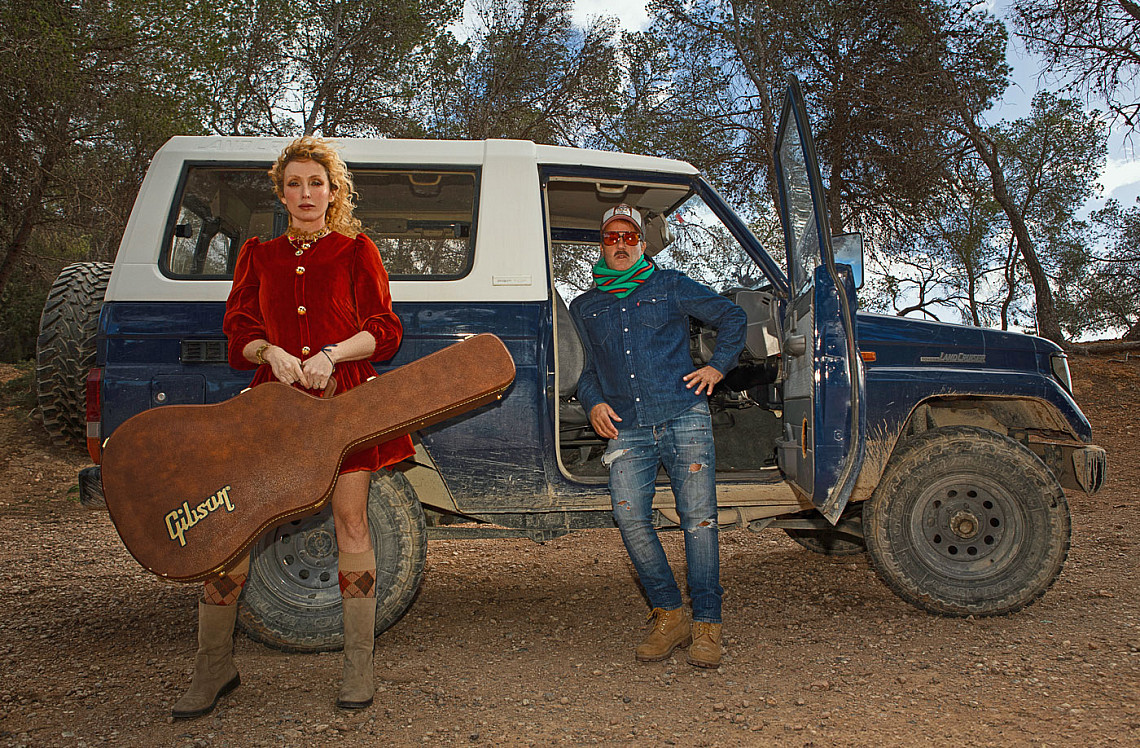
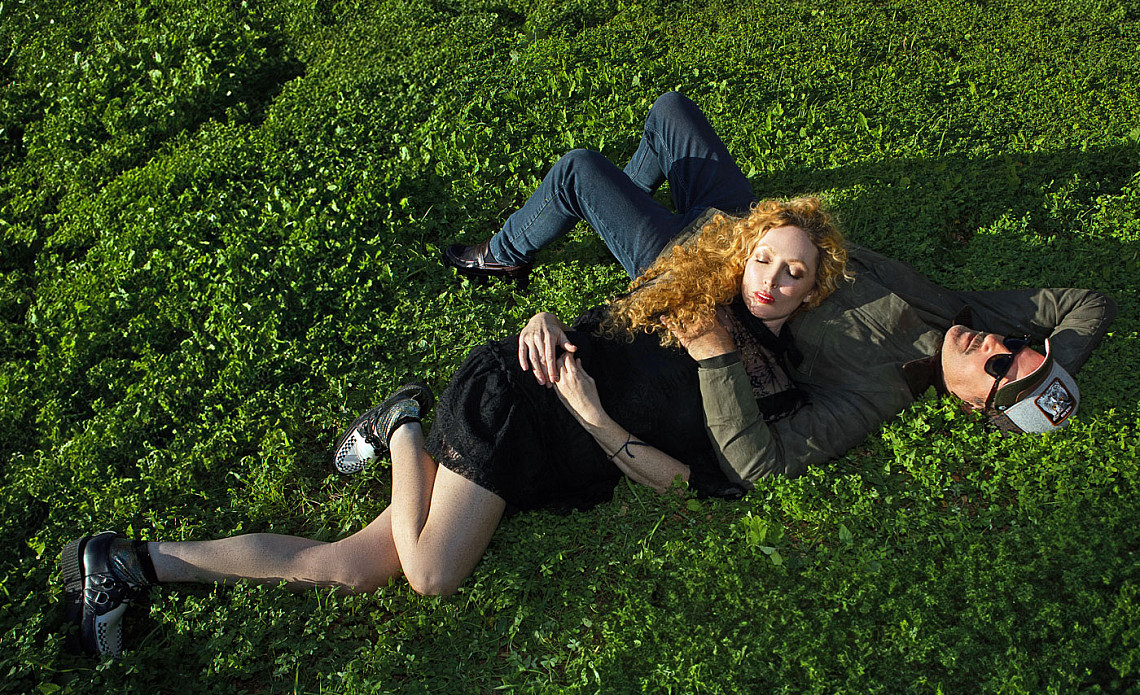
 Katie White and Jules De Martino of The Ting Tings
When The Ting Tings casually told me they "plan to have a word with Bruno Mars" about a recent hit that sounded a little too familiar, I had to laugh – but something tells me they weren't entirely joking.
These days, you can hear echoes of Katie White and Jules De Martino's sound everywhere, from TikTok trends to chart-topping collaborations like the ROSÉ and Bruno Mars single "APT." And while imitation might be the sincerest form of flattery, The Ting Tings have always fiercely protected their creative independence – a thread that runs straight through their story and their new album, Home.
Back in 2008, The Ting Tings burst onto the global stage with the album We Started Nothing, powered by the era-defining smash "That's Not My Name." Its punchy hook and sharp commentary on identity quickly cemented their place in pop history. That same year, their follow-up single, "Shut Up And Let Me Go," was handpicked by Steve Jobs for a major Apple iPod campaign – a sync that would catapult them to international fame and open doors they never imagined.
Fast forward to today, and "That's Not My Name" is once again making waves, recently featured in the Netflix film The Life List and fueling a resurgence on TikTok, where a new generation is rediscovering the band in real time. But The Ting Tings have never been content to coast on nostalgia.
After years of chasing fresh creative sparks – from squatting in their hometown of Manchester to making records in Berlin to living on a boat – they've finally found themselves, quite literally, at Home. Their fifth album is a sun-drenched, '70s-inspired reinvention, embracing acoustic textures, Fleetwood Mac harmonies, and the hard-won ease that comes from slowing down.
In our conversation, Katie and Jules open up about parenthood, the freedom they've found as independent artists, and why they almost changed their band name – only to rediscover what made The Ting Tings special in the first place.
Jess Grant (Songfacts): Hi Katie and Jules. Thank you so much for chatting with us at Songfacts, and congratulations on the release of Home. The album has such a warm, comforting feel and leans into a more yacht rock–inspired sound. What prompted you to explore this direction? Has life in Ibiza and your journey into family life shaped the mood and vibe of the record?These days, you can hear echoes of Katie White and Jules De Martino's sound everywhere, from TikTok trends to chart-topping collaborations like the ROSÉ and Bruno Mars single "APT." And while imitation might be the sincerest form of flattery, The Ting Tings have always fiercely protected their creative independence – a thread that runs straight through their story and their new album, Home.
Back in 2008, The Ting Tings burst onto the global stage with the album We Started Nothing, powered by the era-defining smash "That's Not My Name." Its punchy hook and sharp commentary on identity quickly cemented their place in pop history. That same year, their follow-up single, "Shut Up And Let Me Go," was handpicked by Steve Jobs for a major Apple iPod campaign – a sync that would catapult them to international fame and open doors they never imagined.
Fast forward to today, and "That's Not My Name" is once again making waves, recently featured in the Netflix film The Life List and fueling a resurgence on TikTok, where a new generation is rediscovering the band in real time. But The Ting Tings have never been content to coast on nostalgia.
After years of chasing fresh creative sparks – from squatting in their hometown of Manchester to making records in Berlin to living on a boat – they've finally found themselves, quite literally, at Home. Their fifth album is a sun-drenched, '70s-inspired reinvention, embracing acoustic textures, Fleetwood Mac harmonies, and the hard-won ease that comes from slowing down.
In our conversation, Katie and Jules open up about parenthood, the freedom they've found as independent artists, and why they almost changed their band name – only to rediscover what made The Ting Tings special in the first place.
Katie White: We had a child four years ago, which changed almost everything. We decided we wanted to be better at our instruments, that we wanted to live in a calmer environment and be true to the music we loved to listen to.
Jules De Martino: We found ourselves on pianos, Rhodes, acoustics, wood sounds bouncing off the paneled walls in our studio feeling free spending less time on a computer and more in harmony singing along our new ideas.
Jules: Ibiza has definitely helped us slow down and focus on what matters to us these days. The songwriting and recording process is not a rush anymore and we don't expect anything more than what we can achieve on basic instruments. No more in-the-box sessions. All the new songs work exceptionally well just on a Rhodes or acoustic guitar. Our acoustic guitar collection has grown a lot though.
Katie: It's exactly that. Living with guilt or with the moments of imperfection in a modern world is tough. We have to fail. We have to make errors. How do we learn if we don't experience such failures? More B-sides and more exposure of our journey than just the top side on show.
Jules: Yeah it's OK doing bad stuff here and there when you're a good person. It's not always intentional and we are human, so mistakes or failings are all learning right.
Songfacts: "Dreaming" is another standout, really channeling that sun-soaked, Fleetwood Mac–inspired vibe. The lyrics feel like a reflection on your journey as a band. Would you say that's true, or is there something deeper at play? Also, it's been getting a lot of love on TikTok, with over half a million videos using the track. What has that experience been like for you?
Jules: "Dreaming" deals with our trepidation of finding the sweet spot again as a band... whether it's necessary? Actually it's right there in the lyrics, how we actually changed our name to DeMartino & White during the early months of writing songs for this album.
Katie: We gave ourselves distance by creating the new band name. We made the logo and cut out pictures of all our fav artists - Steely Dan, Eagles, Dire Straits, Bread, Supertramp, Elton, Carpenters, Christopher Cross - put them all on a mood board and didn't change the new band name until we were about to go public. Then we realized as independent artists we had built our band The Ting Tings ground up. We were proud of such and we had fans. We wanted to show them our new music so we swapped the new band name back.
Songfacts: "Danced On The Wire" is one of my personal favorites and one of the first tracks you teased from Home, with Jules taking the lead on vocals. Was this one of the earliest songs you wrote for the album? I'd love to hear more about the inspiration behind it.
Jules: We were listening to Glen Campbell's "Wichita Lineman" over and over - I used to love it as a kid. Coming forward on vocals I wanted to use my voice in my range and not in Katie's range, more deep and country-like. During all our tours and albums I often had to stretch into a higher range for backing vocals but on this album songs I sing are in my range.
Katie: It wasn't an early song on the album but it was an important one as it came midway through and gave us some Carpenters chorus vibes and Jules' great vocal delivery which gave him confidence. Coming off the drums for him was a big deal.
Songfacts: Writing a track like "Song For Meadow" must have been a deeply meaningful experience, especially as you entered parenthood. How has becoming parents influenced your songwriting process?
Katie: It's a huge change. Any parent will tell you the same. Becoming parents kinda changes your DNA. Nothing will ever come between me and my daughter. Same for Jules.
As songwriters we are passionate and focussed writing and creating our songs and music, then all of a sudden a baby cries or needs love and that distraction is the best. It's natural and helps the process enormously. Stops us obsessing and over-analyzing.
Jules: Agreed. Even when we would be on a roll we'd walk away from the session or piano and close up shop for parenting. Good song ideas are just memorable so we found through having a child we never had to worry about saving every clip of nonsense music we created. Just went back to it later and what we couldn't remember or replicate wasn't worth worrying about.
Katie: We were overwhelmed thinking about this love we had found in our newborn daughter and typically started to talk about how we would feel when she grew up and left the nest, like children do, like we all do. That translated itself into "Song For Meadow."
Songfacts: At Songfacts, we love exploring the stories behind iconic tracks. Your debut album, We Started Nothing, marked a defining moment in 2000s indie pop and left its mark on pop culture, especially with "That's Not My Name." How did that song come about? Lyrically, it feels ahead of its time, addressing identity and how women are treated in the industry. Was that the message you intended from the beginning?
Jules: It got harder to get a local gig. News that we had failed spread around - we felt desperate and useless. The band collapsed and Katie and myself without our third member from the previous band started The Ting Tings and had a lot to say about how we were feeling.
Katie: In many ways our new album is similar in that we found ourselves in a position of honesty and meaning. Having a child gave us so much to say and feel. Being tossed out of the music industry back then gave us the same depth.
Songfacts: Did you ever sense that "That's Not My Name" would become such a cultural phenomenon? Was there a specific moment during the writing process when you thought, "This is something special?"
Jules: Hmmmm that's a hard one. We're very passionate about our songwriting and have been writing together for over 20 years. Everything we write is great yet only time shows how true and meaningful or relevant it is on culture. You can't knowingly create culture or something cultural. If you're second guessing that, you're done, and it's kind of what has happened to the music industry! It's done. Cooked.
We've always been a bubble band and will remain so. There are no rules and no rights and wrongs. The only truth is what the artist wants to do.
Katie: I knew it was special. I felt it from the very start. I would tell Jules we've written something brilliant here and I could sense it with people hanging around us immediately. It was way more evident to me than Jules.
Katie: Typically, our label didn't hear it as a single. We did. As signed artists we were constantly trying to convince our label to do what we wanted to do, stay in the creative lane. Mostly landing on deaf ears, but Steve Jobs came in just in time by himself picking this tune after a brilliant week of SXSW performances. Once it made the iPod commercials the label saw it as a single, and in many countries it used to be the bigger track of the show.
Jules: Yeah this was a big track for us live for quite a while. Loads of drum bashing and hands in the air. We made an MTV-award-winning video for it, putting me in a trapeze - can you believe it?
Songfacts: "Great DJ" is another classic, and I read that it all started with a happy accident when Katie hit a wrong note on the guitar. Can you tell us more about how that song evolved? Does this spontaneous, playful approach reflect your overall creative process?
Jules: Yes, Katie wanted to play more guitar live. She had no idea, so she used limited chords and swung the guitar around her shoulders when she punk'd out. Her way of finding her energy and expression. In the midst of such she converted a D chord into the sub chord on the intro and by mistake created that chord sequence while we were attempting to rehearse for one of our first shows at our studio in Islington Mill, Salford, Manchester. I figured out what she was playing and we recorded it shortly afterward.
Katie: This song was the raw foundation for our new band. I found myself right. I owned the moment on these chords. I'll never forget the huge steps we were taking at this point as writers, producers and more importantly, performers.
Songfacts: "Be The One" showcased a more introspective side of your songwriting amidst the energetic vibe of We Started Nothing. It was actually one of my favorite songs growing up, with its beautiful melody and subtle nods to Joy Division. How did that track come together, and what did it mean to you at the time?
Katie: This is a lovely song. I wore rain Macs around Manchester and we were reaching out into smoother song creativity. Smiths and Manchester bands were creeping into our existing fascination with Talking Heads and Blondie.
Jules: We still play this today, as we do "That's Not My Name," "Great DJ," "Shut Up" and "We Walk." In fact we're re-recording all these songs to become family with the new album Home.
Songfacts: "Hands" from Sounds From Nowheresville was a great follow-up to We Started Nothing. What was it like returning to the studio after such a massive debut? The song feels like it captures the pressure of following up a big success. Was that something you were consciously thinking about during the recording process?
Jules: We had moved to Berlin. We spent so much time on tour on the first album we had become over-animated and larger than life. Starting to record the dreaded album two was a pain. We couldn't settle down from filling the stage. Berlin and Bowie made us feel industrial, and moving to Berlin to follow such a musical hero also made us isolated and brought us back down with a bump. I wished we had come off tour earlier, but we were naive and management were just probably thinking about coining it.
Katie: Yeah it was hard. We watched all the episodes of Red Dwarf on DVDs. Our record label had sent us a new Sony TV system, and apart from a sofa and bed, that's all we had in our Berlin apartment. It was amazing though cause we never liked Red Dwarf until then. Got obsessed.
Jules: I wish labels supported weird or complicated second albums. That was and should be part of the process. Our record collection is brilliantly full of bands and their journey. It's so hard these days to get that type of support. We're on album 5 but because we are fiercely independent. Many artists or bands don't come this far and even though the second album was complicated and difficult, it was part of our journey and part of our decision to never make the same album twice.
Songfacts: You collaborated with Andy Taylor of Duran Duran on "Wrong Club" and the album Super Critical. What was it like working with him? How did his influence shape the sound of "Wrong Club" and the direction of the album?
Katie: We were in Ibiza and met Andy. He loved our band and what we stood for. He came on board as co-producer but we learnt loads from his producing skills. He came from the glory days of making records. We saw that. We wanted to make a record all about Studio 54 and soft funk and pop, and he was that link. We have been close friends ever since.
Jules: After a few weeks hanging in our studio we grabbed all our stuff and moved into his small studio at Sonic Vista studios. He had a small room at the back. Man we had such great times locked away in that studio together with our dogs. We made a great sounding record too, one that I had trouble touring. The sound was much bigger than our duo band and the drum parts were steady soft grooves, which I wasn't used to playing on stage, but it was the transition we made to becoming independent artists. We licensed our music around the globe and toured at our own pace. It was a huge learning curve but we had freed ourselves from the shackles of the industry. The record suffered because we had limited resources and no knowledge, but we were absorbing new energy.
Songfacts: You've had a huge impact on pop music over the last two decades. Just recently, I saw multiple critics pointing to your influence on the ROSÉ and Bruno Mars hit single "APT." How does it feel to hear echoes of your sound in today's music? Do you see your legacy reflected in the current pop landscape?
Katie: Hahaha Bruno should know better.
Songfacts: We touched on this earlier, but your music is being rediscovered by a whole new generation on TikTok. How does it feel to see your songs take on new life there? And as artists who've seen the industry evolve, what's your perspective on TikTok's role in shaping music today?
Katie: Our music blew up on TikTok a few years ago. We had calls from all the networks to come on their shows but we had just had a baby so that was not on the table. Also we had turned our new corner with our new songs.
However, TikTok is a platform we love. It feels like we get a free roll of the dice here. As independent artists it's not governed or owned by majors. Unlike Spotify, etcetera, you don't have to pay your way through. You genuinely can get discovered here. In fact our new single from the new album has had over 1.3 million videos created using our new music and has reached a 2 billion audience. And it provides a better royalty rate than Spotify. It's exciting.
Jules: Long may TikTok be the punk platform, untouched or uncontrolled.
Songfacts: Thank you again for chatting with Songfacts, Katie and Jules. Looking ahead, what's next for you creatively? Can fans expect new music or upcoming shows, or are you focusing more on spending time with your young family for now?
Jules: The new album Home is just out. We have been performing sell-out shows, our fifth just in Manchester was amazing. We play Villar De Mouros in Portugal on August 23 with our nine-piece band then back in London on September 24 at EartH.
Katie: We woke up wanting to be like the Eagles. Full band. Brilliant players and singers. We found it and there's no going back.
July 1, 2024
Tour dates and more info at thetingtings.com
Further Reading:
Steve Jobs Greatest Hits
The Asteroids Galaxy Tour
Andrew Roachford
More Songwriter Interviews