After a dispute with his record company, Prince took control of his name by changing it to an unpronounceable symbol in 1993. Here's a look at how his glyph evolved.
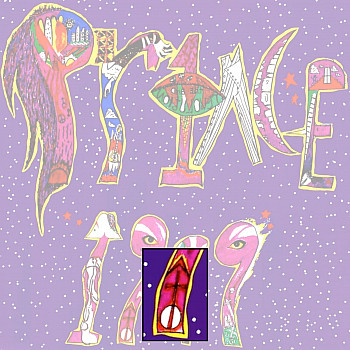 The symbol started out as just an overlay of the male and female biological signs. It first appeared in 1982 as part of the collage on the 1999 album cover.
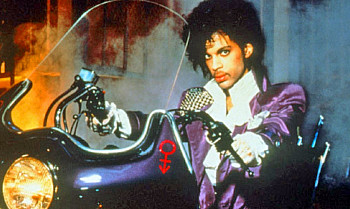 In his 1984 film Purple Rain, released July 27, 1984, Prince rides a motorcycle emblazoned with the symbol. This image was used on the cover to the soundtrack album released a week later.
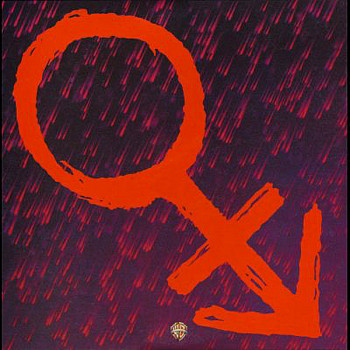 After the release of Purple Rain in 1984, the symbol was used in the artwork for a compilation album called Strange Tales From The Rain: Prince 1978-1984, issued only in Japan.
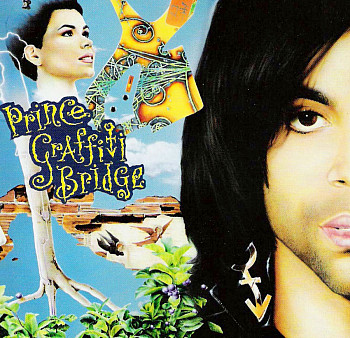 On the 1990 Graffiti Bridge cover, it's in two places: within the "t" and below Prince's ear.
Prince was able to trademark this symbol for "posters, concert programs, and bumper stickers," and later, for "entertainment services."
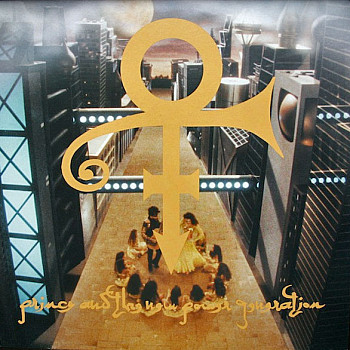 The symbol got a makeover in 1992 when Prince hired the Minneapolis designers Mich Hansen and Lizz Luce, who were at his Paisley Park studio working on graphics for music videos, to work on it. They came up with the horn symbol going across the glyph, giving him the refined logo that became his appellation. This version was used as the title to his 14th album ("The Love Symbol Album"), issued in 1992.
In 1993, on his 35th birthday, Prince announced that he would henceforth be known as this symbol. As it was unpronounceable and couldn't be rendered with any font, he was commonly referred to as "The Artist Formerly Known as Prince," or simply "The Artist."
In 1994, Prince's application to trademark the symbol was granted. It's described in the application as "a circle with horizontal curved line directly below the circle and a vertical line with an arrow point extending from bottom of circle with an intersecting line."
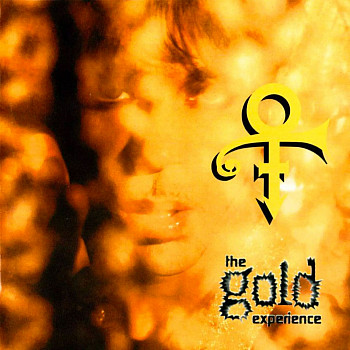 The 1995 album The Gold Experience hinted at an alchemy embedded in the symbol.
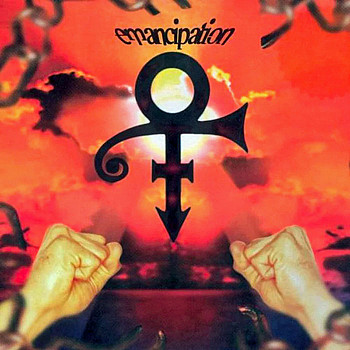 The 1996 album Emancipation, the title a reference to his break with Warner Bros. Records, also features the symbol.
In 2000, "The Artist" reverted back to Prince. He still used the symbol from time to time, notably in designs for his guitars. After his death, Paisley Park Enterprises trademarked the symbol for use on jewelry, guitar straps, guitar picks, mugs, drinking glasses, and clothing (including underwear). Expect to see it on lots of Prince-related memorabilia.
For more, see the Prince timeline.
April 18, 2017
More Song Writing