How To Rob

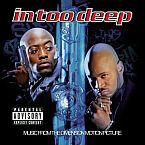
Album: In Too Deep Soundtrack (1999)
Play Video

Songfacts®:

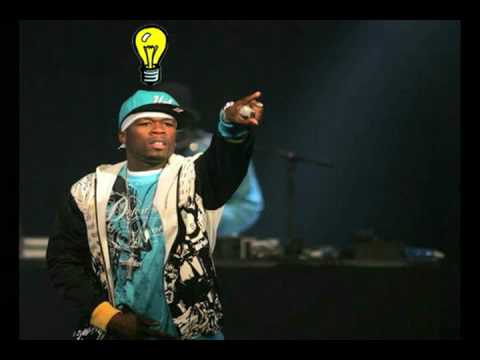
  • 50 recorded this with The Trackmasters, a group of hip-hop producers affiliated with Columbia Records. 50 Cent signed a deal with Columbia in 1999, but they never released his album. Instead, 50 released it himself as a bootleg single, where it was widely circulated.

    He wrote the song because he wasn't making any money from his deal with Trackmasters and he was sitting back looking at the people who had money, saying, "I wish I could have that chain." Then he realized, "I could have that chain, if he ever comes into the 'hood and he ain't paying attention." >>>
    Suggestion credit:
    Kyle - London, ON
  • "How To Rob" was included on Power of the Dollar, an as-yet-unreleased album that should have been 50 Cent's debut for Columbia Records. Instead it was not released and 50 was dropped from the label, supposedly because high bootlegging was going to eat into record sales. As the song circulated among the New York mix-tape underground the subsequent buzz led to Eminem's offer to sign 50 to the Shady/Aftermath label. Eminem said at the time that 50 was his favorite rapper.
  • The song outlines how 50 would go about robbing a variety of famous artists like Jay-Z, Master P, Kirk Franklin, Blackstreet, Brian McKnight, and any other hip-hop/R&B artist you can think of. He intended it as a joke, but many other rappers took it seriously and started dissing 50, which had the effect of making him more popular.
  • 50 talked about this song in an interview with the LA Times. "You see these stars on MTV driving big cars, sporting big diamonds," he said. "I think they forget what it's like when somebody's starving, how robbery isn't out of the question. That was the thought process behind 'How to Rob.' It wasn't personal. It was comedy based on truth, that's what made it so funny."
  • After "How To Rob" became an underground hit, 50 was shot nine times in a drive-by outside his grandmother's house. Again, this added to his street cred and made him even more popular.
  • Because 50 didn't have a lot of expensive jewelry or cars, he had to find something else to rap about. He called this song "an outsider's desperate attempt to fit in."
  • The hook is sung by the Madd Rapper, otherwise known as Deric "D-Dot" Angelettie, who specializes in comical skits and raps. The song appears on his 1999 album, Tell 'Em Why You Madd.
  • 50 laid off the attacks on his 2003 release Get Rich or Die Tryin', not wanting to gain a reputation for simply dissing other rappers. It didn't hurt sales, as it moved 872,000 copies its first week.
  • This was used on the 1999 movie In Too Deep, starring Omar Epps and LL Cool J.
  • A year before he dropped this track, 50 was signed to Jam Master Jay's label. Jay wanted to get him some exposure, so he asked Onyx, the "Slam" group he mentored, to put 50 on a cut. They did, giving him a guest spot on the song "React" (he also appears in the video - playing hockey!). But 50 didn't seem appreciative. In "How To Rob" he includes the Onyx rapper Sticky Fingaz in his list of victims ("Tell Sticky give me the cash before I empty three").

Comments: 1

  • Rap Aint Crap from Ny, Nyits an alrite song
see more comments

Editor's Picks

Gary Lewis

Gary LewisSongwriter Interviews

Gary Lewis and the Playboys had seven Top 10 hits despite competition from The Beatles. Gary talks about the hits, his famous father, and getting drafted.

Jack Tempchin - "Peaceful Easy Feeling"

Jack Tempchin - "Peaceful Easy Feeling"They're Playing My Song

When a waitress wouldn't take him home, Jack wrote what would become one of the Eagles most enduring hits.

Keith Reid of Procol Harum

Keith Reid of Procol HarumSongwriter Interviews

As Procol Harum's lyricist, Keith wrote the words to "A Whiter Shade Of Pale." We delve into that song and find out how you can form a band when you don't sing or play an instrument.

Richie Wise (Kiss producer, Dust)

Richie Wise (Kiss producer, Dust)Songwriter Interviews

Richie talks about producing the first two Kiss albums, recording "Brother Louie," and the newfound appreciation of his rock band, Dust.

Donald Fagen

Donald FagenSongwriter Interviews

Fagen talks about how the Steely Dan songwriting strategy has changed over the years, and explains why you don't hear many covers of their songs.

Don Dokken

Don DokkenSongwriter Interviews

Dokken frontman Don Dokken explains what broke up the band at the height of their success in the late '80s, and talks about the botched surgery that paralyzed his right arm.