

The actor Dan Aykroyd sang on "We Are The World." LaToya Jackson did too, so we know they weren't all that picky.
The "Ms. Jackson" in the OutKast song is Erykah Badu's mother. Andre 3000 had a child with Badu, and felt she was portraying him as a lousy dad.
The B-52's chose the location of their song "Private Idaho" because the state has a reputation for being wacky and mysterious. The title is a play on the phrase "private eye."
"I Want It That Way" is the most popular Backstreet Boys song, but the lyric doesn't make much sense. That's because it was written by the hitmaking swedish producers Max Martin and Andreas Carlsson, who were more worried about how it sings than what it means.
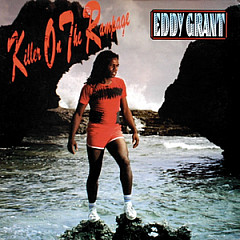
The "Electric Avenue" in the Eddy Grant song is a real street. It got its name because it was the first street in London with electric lights.
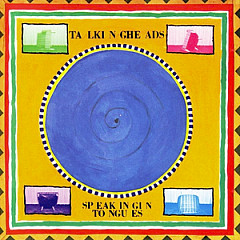
"Burning Down The House" by Talking Heads was inspired by chant band members heard at a P-Funk show where the crowd yelled, "burn down the house... burn down the house."
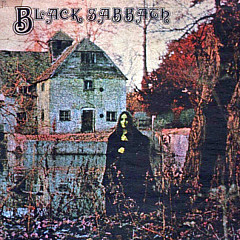
Just how much did these monsters of rock dabble in the occult?
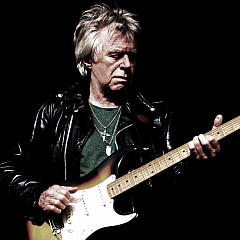
A renowned guitarist and rock revivalist, Dave took "I Hear You Knocking" to the top of the UK charts and was the first to record Elvis Costello's "Girls Talk."
An interview with Dr. John Covach, music professor at the University of Rochester whose free online courses have become wildly popular.
How well do you know your David Bowie lyrics? Take this quiz to find out.
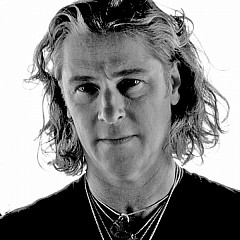
The stories behind "Shine," "December," "The World I Know" and other Collective Soul hits.
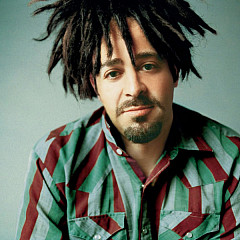
"Mr. Jones" took on new meaning when the song about a misguided view of fame made Adam famous.