Elvaston Place

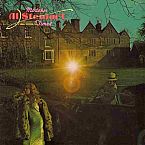
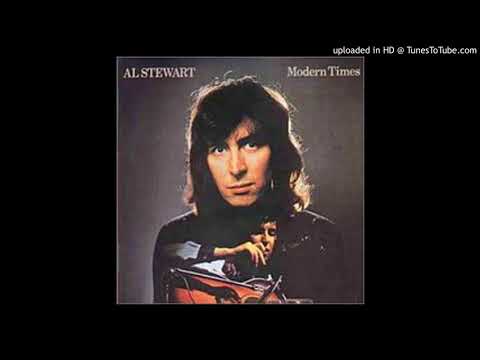
Album: Modern Times (2000)
Play Video

Songfacts®:

  • Running to 2 minutes 53 seconds, and similar in tempo to the Ray Davies composition "Sunny Afternoon," "Elvaston Place" was the B-side of "The News From Spain" and was re-recorded for the re-mastered Modern Times CD. Al also recorded a version on November 8, 1970 which appears on both the unofficial Live At Warwick University double CD and on the triple CD set Oceans Of Delphi (which was released originally as Meridian XVII).
  • In the introduction to the live version, he says this is "a song about a place I used to live," but it is far more than that.

    Al met his girlfriend Mandi in early 1967 when he played the Central School of Speech and Drama. On New Year's Day 1968, he moved into his basement flat at number 10, Elvaston Place in South West London; for all intents and purposes he and Mandi were living there together, although they had an open relationship, which wasn't entirely to his satisfaction. On May 4, 1969 there was a party at John Martyn's Putney home - which inspired the song "Night Of The Fourth Of May." Al and Mandi left the party separately, and when they arrived back at Elvaston Place there was a bust up. The next morning, she left for Cambridge and thence to Spain to holiday with her parents. The story of what happened next is related in "The News From Spain."

    In "Elvaston Place," Al relates how he lived in his basement flat with little money in his pocket as a nascent folk singer intent on achieving fame and fortune, but happy just to look at her sitting beside him. By the time he recorded this song, his Love Chronicles had been voted Folk Album Of The Year by Melody Maker and Zero She Flies had been its Folk Album Of The Month. Shortly he would be literally raking in the bucks, but as he says here:

    All the money that I've ever owned
    I'd give it all tomorrow
    If I could lay happy beside you
    In Elvaston Place


    The final verse sees him returning to his old home:

    You once held a love of mine
    She changed just like the weather
    The Kensington skies go on for ever
    In Elvaston Place


    Mandi did indeed change just like the weather, and it was not until he met his future wife at the age of 42 that he finally managed to lay her ghost to rest.
  • Al uses the same phrase at the end of this song "skies go on for ever" as in the later "Roads To Moscow," which is an equally morose ballad, albeit on an entirely different subject. His biographer Neville Judd sums up this intensely personal and sad song as "just about as perfect a 'memoir' about lost love as could ever be." >>>
    Suggestion credit:
    Alexander Baron - London, England, for above 3

Comments

Be the first to comment...

Editor's Picks

Elton John

Elton JohnFact or Fiction

Does he have beef with Gaga? Is he Sean Lennon's godfather? See if you can tell fact from fiction in the Elton John edition.

Why Does Everybody Hate Nu-Metal? Your Metal Questions Answered

Why Does Everybody Hate Nu-Metal? Your Metal Questions AnsweredSong Writing

10 Questions for the author of Precious Metal: Decibel Presents the Stories Behind 25 Extreme Metal Masterpieces

Rick Astley

Rick AstleySongwriter Interviews

Rick Astley on "Never Gonna Give You Up," "Cry For Help," and his remarkable resurgence that gave him another #1 UK album.

Band Names

Band NamesFact or Fiction

Was "Pearl" Eddie Vedder's grandmother, and did she really make a hallucinogenic jam? Did Journey have a contest to name the group? And what does KISS stand for anyway?

90s Music Quiz 1

90s Music Quiz 1Music Quiz

First question: Michael Jordan and Magic Johnson appeared in videos for what artist?

Mick Jones of Foreigner

Mick Jones of ForeignerSongwriter Interviews

Foreigner's songwriter/guitarist tells the stories behind the songs "Juke Box Hero," "I Want To Know What Love Is," and many more.