
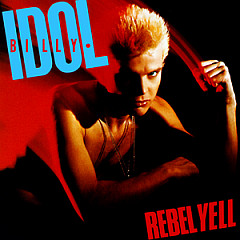
Billy Idol's "Eyes Without A Face" has a gruesome inspiration. It's based on a 1959 French movie about a surgeon who abducts young women and removes their facial features.
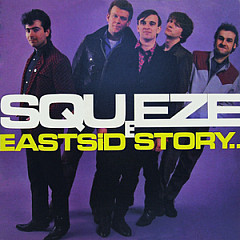
The Squeeze song "Tempted" is one of their few with lead vocals by Paul Carrack, who sang the Ace song "How Long" and was in Mike + The Mechanics.
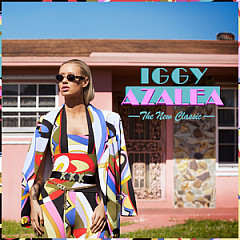
The video for Iggy Azalea's "Fancy" pays homage to the classic 1995 film Clueless with the rapper playing Cher and featured singer Charli XCX portraying Tai. It was filmed at some of the same locations used in the movie.
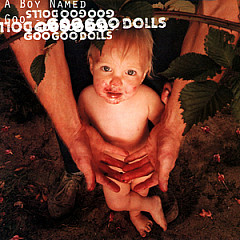
"Name" by The Goo Goo Dolls was partly inspired by lead singer John Rzeznik's flirtation with the MTV VJ Kennedy, who didn't want him to tell anyone her real name.
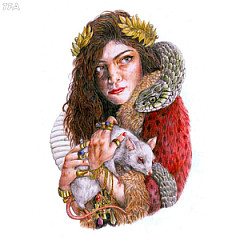
Lorde was 16 years and 11 months old when "Royals" topped the Hot 100. In doing so she became the youngest ever solo artist to write and perform a #1 hit.
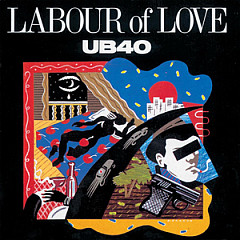
UB40's cover of Neil Diamond's "Red Red Wine" was a minor hit when first released in 1983, but it went to #1 five years later when radio stations in Phoenix started playing it.
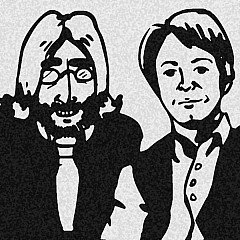
The author of Help! 100 Songwriting, Recording And Career Tips Used By The Beatles, explains how the group crafted their choruses so effectively.

Starting in Virginia City, Nevada and rippling out to the Haight-Ashbury, LSD reshaped popular music.
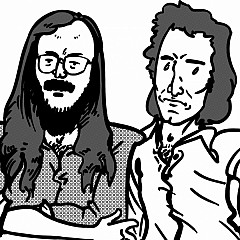
Did they really trade their guitarist to The Doobie Brothers? Are they named after something naughty? And what's up with the band name?
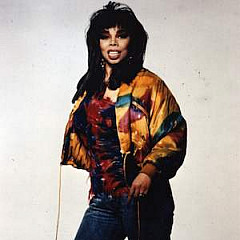
Outrageously gifted and just plain outrageous, Millie is an R&B and Rap innovator.
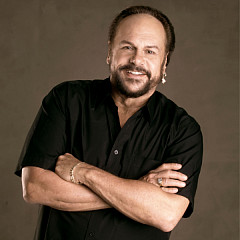
Harry Wayne Casey tells the stories behind KC and The Sunshine Band hits like "Get Down Tonight," "That's The Way (I Like It)," and "Give It Up."
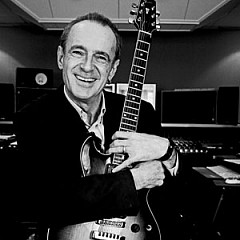
Doubt led to drive for Francis, who still isn't sure why one of Status Quo's biggest hits is so beloved.