
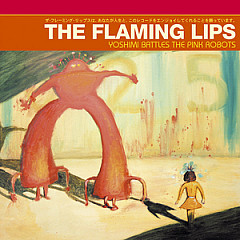
The Flaming Lips' "Do You Realize??" was named in March 2009 the official Rock Song of Oklahoma. Four years later, Oklahoma's governor Mary Fallin pulled the tune as the state's official rock song in a move her office said had more to do with priorities than musical taste.
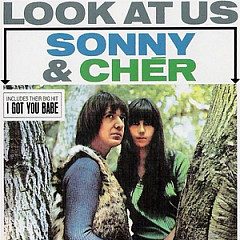
"I Got You Babe" made Sonny Bono the only person to perform on a #1 hit and also get elected to congress.
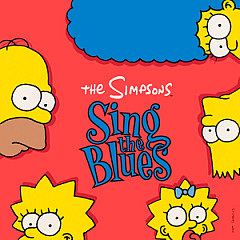
"Do The Bartman," released at the peak of Simpsons-mania, has uncredited backup vocals by Michael Jackson, who later appeared on the show.
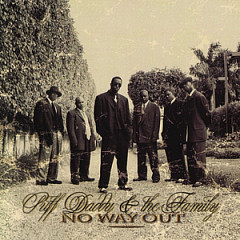
Puff Daddy didn't get permission to sample the Police song "Every Breath You Take" on his Notorious B.I.G. tribute "I'll Be Missing You," but he later reached an agreement and even performed the song with Sting.
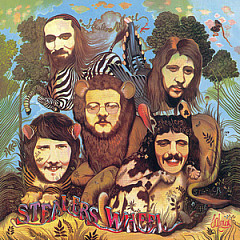
"Stuck In The Middle With You" by Stealers Wheel was the unlikely choice for a scene in Quentin Tarantino's 1992 movie Reservoir Dogs where somebody loses an ear.
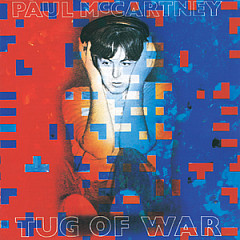
Paul McCartney wrote "Ebony and Ivory," his duet with Stevie Wonder, after a tiff with his wife Linda. "It was like, 'Why can't we get it together- our piano can,'" he explained.
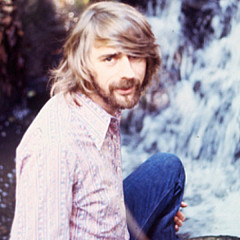
His keyboard work helped define the Muscle Shoals sound and make him an integral part of many Neil Young recordings. Spooner is also an accomplished songwriter, whose hits include "I'm Your Puppet" and "Cry Like A Baby."
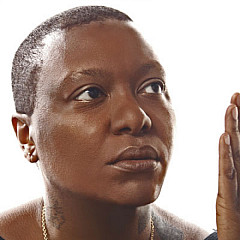
Meshell Ndegeocello talks about recording "Wild Night" with John Mellencamp, and explains why she shied away from the spotlight.
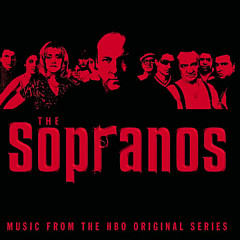
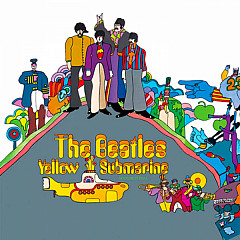
Was a Beatles song a TV theme? And who came up with those Fresh Prince and Sopranos songs?
"25 or 6 to 4" to "Semi-Charmed Life" - see if you can spot the songs that are really about drugs.

Charlotte was established in the LA punk scene when a freaky girl named Belinda approached her wearing a garbage bag.
The stories behind the biggest hit songs about trucking.