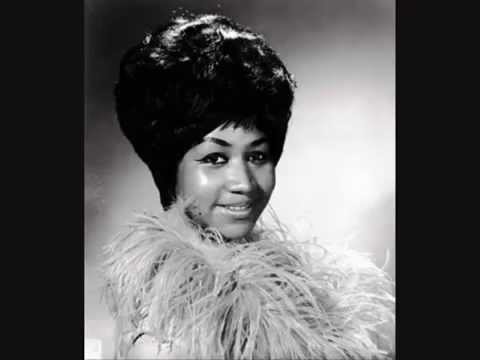
This was written around 1953 by Don Covay, an R&B singer who wrote songs that were recorded by The Rolling Stones ("Mercy Mercy), Wilson Pickett ("I'm Gonna Cry"), Otis Redding ("Think About It") and many others. Covay was signed to Atlantic Records, which also had Aretha Franklin on their roster. They had Franklin record the song in 1967, and she delivered, making "Chain Of Fools" a huge hit and one of her signatures. The following year, she recorded another Don Covay song, "See Saw," which was also a hit, climbing to #14 in the US.
The song is about a woman who realizes she is one of many girls in her boyfriend's "Chain." Even though she knows this can never last, she sticks with him anyway.
According to Don Covay's son, Tony Covay (also a musician), Don wrote it with a different intention. "My father wrote this song about the cycle of property and slavery," he told Songfacts. "The bicycle chain gave him the hook. He said he had to change the words to fit the public."
This won a Grammy for Best Female R&B Performance in 1969. That category was introduced in 1968; Franklin won the first eight years, adding three more trophies in the '80s.
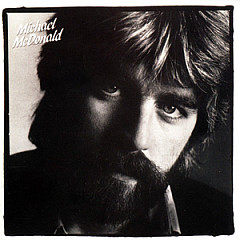
This gained new fans when it was featured in the 1996 movie
Michael, starring John Travolta as an unlikely archangel come to Earth.
>>
Suggestion credit:
Darryl - Queensland, Australia
Joe South played the guitar intro. A prominent session guitarist, he also wrote several hit songs, including "
Hush," which became a hit for Deep Purple.
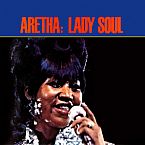
The Lady Soul sessions were fraught with emotion as Franklin was struggling with the end of her marriage to manager Ted White, a relationship plagued by domestic violence. Atlantic producer Jerry Wexler recalled the singer showing up to the studio with a black eye, which Jet magazine called "an eye injury suffered in a fall" due to Franklin's clumsiness, but her friends knew better.
She was also devastated by the tragic loss of Otis Redding, who died in a plane crash on December 10, 1967. Wexler told David Ritz, author of Respect: The Life of Aretha Franklin: "If many of the vocals on Lady Soul seem to have an even greater depth, I believe it's because Otis was on Aretha's mind."
Franklin's sister Carolyn, who is one of the backing singers on the track, felt the tune reflected her sister's tumultuous marriage. "Aretha didn't write 'Chain,'" she told David Ritz, "but she might as well have. It was her story. When we were in the studio putting on the backgrounds with Ree doing lead, I knew she was singing about Ted. Listen to the lyrics talking about how for five long years she thought he was her man. Then she found out she was nothing but another link in the chain. Then she sings that her father told her to come on home. Well, he did. She sings about how her doctor told her to take it easy. Well he did, too. She was drinking so much we thought she was on the verge of a breakdown. The line that slew me, though, was the one that said how one of these mornings the chain is gonna break but until then she'll take all she can take. That summed it up. Ree knew damn well that this man had been doggin' her since Jump Street. But some how she held on and pushed it to the breaking point. I can't listen to that song without thinking about the tipping point in her long ugly thing with Ted."
Along with Carolyn, the other supporting vocalists are fellow Franklin sister Erma, the R&B girl group The Sweet Inspirations, and pop singer-songwriter Ellie Greenwich. Greenwich was a last-minute addition after Wexler played her the pre-mastered version and she started singing along with it. "I whisked her into the studio, where she recorded it, making the super-thick harmonies that much thicker," Wexler recalled.
When this song hit the radio for the first time in 1967, a young David Sancious was in the car listening with his dad. They immediately detoured to their local record store in Asbury Park, New Jersey, and bought the single. Several years later, Sancious became an original member of Bruce Springsteen's E Street Band, and in 1986, he got to play on Franklin's album
Aretha. He
told Songfacts: "Before my father passed away, I got to take the record to my dad and say, 'Hey Dad, I'm on an Aretha Franklin record!'"