The Great 1974 Mining Disaster

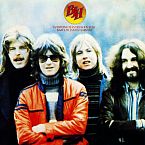
Album: Everyone Is Everybody Else (1974)
Play Video

Songfacts®:

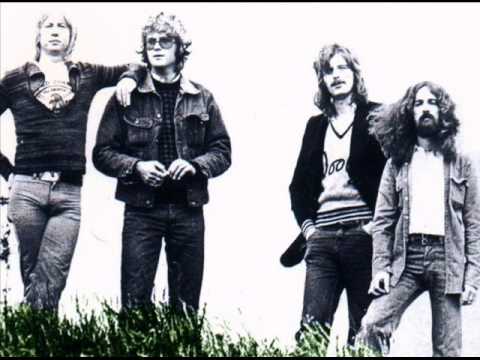
  • In The Barclay James Harvest Story, the official biography of the band, this song is described as a deconstruction of this Bee Gees' "New York Mining Disaster 1941 (Have You Seen My Wife, Mr. Jones)." The BJH song is a lot more down tempo than the original, although the melody is more or less the same. It is basically a commentary on the 1974 miners' strike which brought down the Conservative Government.
  • The lyrics are full of obscure allusions:

    "A sailor oh so gay" refers to Prime Minister Ted Heath, who was passionate about sailing and widely (and erroneously) believed to be homosexual, which at that time was still something of a taboo, especially for a politician. Although confirmed bachelor Edward (later Sir Edward) Heath was far from our most distinguished Prime Minister, he spent nearly four years in Downing Street, and continued to serve as an MP until 2001, clocking up over fifty years in the House. He died in 2005.

    In the BJH song, the refrain "Have you seen my wife, Mr. Jones?" is replaced by "Have you seen my life, Mr. Groan?" "Mr. Groan" is clearly a reference to then miners' leader Joe Gormley. Gormley, a laconic figure of the old Labour school, was elected leader of the National Union of Miners in 1971. The miners went on strike in January the following year but it was called off before the end of February. In February 1974 they went on strike again, and Heath called a General Election for the following month as a vote of confidence. The Conservatives lost, and he was replaced as Prime Minister by Labour's Harold Wilson, whom he had previously succeeded. Gormley continued as leader of the NUM until March 1982, when he was replaced by the left wing firebrand Arthur Scargill. He was elevated to the peerage, and died in 1993.

    This song also includes references to David Bowie's "The Man Who Sold The World" and "Space Oddity." >>>
    Suggestion credit:
    Alexander Baron - London, England, for above 2

Comments: 2

  • Jerry B from IrelandGreat background, thank you. I think the song’s reference to a ‘citadel’ points to David Bowie’s “Suffragette City”.
  • Silent Queue from AustraliaI would suggest that the song also refers to A Day in the Life by The Beatles.
see more comments

Editor's Picks

Experience Nirvana with Sub Pop Founder Bruce Pavitt

Experience Nirvana with Sub Pop Founder Bruce PavittSong Writing

The man who ran Nirvana's first label gets beyond the sensationalism (drugs, Courtney) to discuss their musical and cultural triumphs in the years before Nevermind.

Alan Merrill of The Arrows

Alan Merrill of The ArrowsSongwriter Interviews

In her days with The Runaways, Joan Jett saw The Arrows perform "I Love Rock And Roll," which Alan Merrill co-wrote - that story and much more from this glam rock pioneer.

Five Rockers Who Rolled With The Devil

Five Rockers Who Rolled With The DevilSong Writing

Just how much did these monsters of rock dabble in the occult?

Michelle Branch

Michelle BranchSongwriter Interviews

Michelle Branch talks about "Everywhere," "The Game Of Love," and her run-in with a Christian broadcasting network.

Gary LeVox

Gary LeVoxSongwriter Interviews

On "Life Is A Highway," his burgeoning solo career, and the Rascal Flatts song he most connects with.

Marc Campbell - "88 Lines About 44 Women"

Marc Campbell - "88 Lines About 44 Women"They're Playing My Song

The Nails lead singer Marc Campbell talks about those 44 women he sings about over a stock Casio keyboard track. He's married to one of them now - you might be surprised which.