

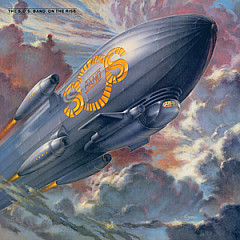
"Just Be Good To Me" by The S.O.S. Band was the first hit written and produced by Jimmy Jam and Terry Lewis, who worked on Janet Jackson's Control album a few years later. They were members of The Time, a group created by Prince.

In 2010, the biggest-selling song in the UK was "Love the Way You Lie" by Eminem.
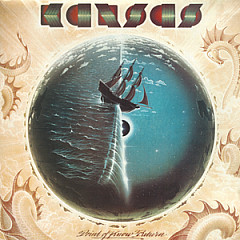
The philosophical Kansas song "Dust In The Wind" is inspired by a line of Native American poetry: "For all we are is dust in the wind."
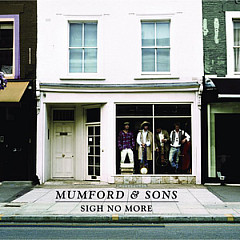
"The Cave" by Mumford & Sons is based on the philosophy of Plato and his work called "Allegory of the Cave."
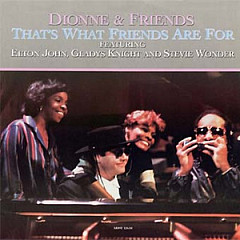
Elton John didn't win a Grammy until 1986, when he got one for singing on "That's What Friends Are For."
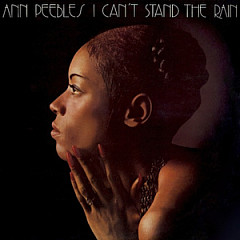
Ann Peebles' "I Can't Stand The Rain" originated from a comment made by the singer to her husband, Don Bryant, when they were preparing to head out to a blues show and it began tipping down with rain.

Established as a redoubtable singer-songwriter, the Men At Work frontman explains how religion, sobriety and Jack Nicholson play into his songwriting.
Bridesmaids, Reservoir Dogs, Willy Wonka - just a few of the flicks where characters discuss specific songs, sometimes as a prelude to murder.
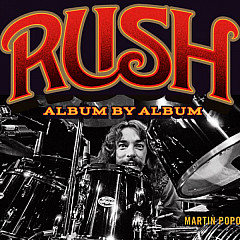
A talk with Martin Popoff about his latest book on Rush and how he assessed the thousands of albums he reviewed.

The top chant artist in the Western world, Krishna Das talks about how these Hindu mantras compare to Christian worship songs.
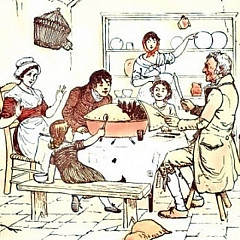
"London Bridge," "Ring Around the Rosie" and "It's Raining, It's Pouring" are just a few examples of shockingly morbid children's songs.

"I'll Be" was what Edwin called his "Hail Mary" song. He says it proves "intention of the songwriter is 180 degrees from potential interpretation by an audience."