Pass The Mic

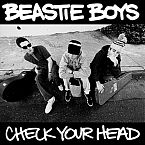
Album: Check Your Head (1992)
Charted: 47
Play Video

Songfacts®:

  • Passing the mic (some spell it "mike") is a hip-hop tradition, dating back to block parties of the '70s when crews of rappers would share a microphone, each doing their rhymes before passing it to the next guy (or girl - shout out to Sha Rock of Funky 4 + 1). In this song Beastie Boys pass the mic, taking turns rapping about their come-up and wondering if they'll ever meet Stevie Wonder.

    The mic in this case is metaphorical. When they performed the song live, they each got their own microphone.
  • "Pass The Mic" was the first single from the third Beastie Boys album, Check Your Head. It was released on April 7, 1992, two weeks before the album.

    Check Your Head was the first album where they made a lot of the music by playing their own instruments instead of relying on samples for the tracks. They also brought in a keyboard player: "Money Mark" Nishita, whom they met when they hired him for a construction project.

    They did use some samples on "Pass The Mic," notably "Big Take Over" by Bad Brains, in line with the hardcore feel of the song. Before they embraced hip-hop, Beastie Boys were a hardcore band who were really into acts like Bad Brains and Fugazi. They had a drummer back then: Kate Schellenbach, who later joined Luscious Jackson.
  • When Mike D raps, "Like Jimmie Walker I'm dynamite," that's a sample of Walker saying "dynamite," his catch phrase on the TV series Good Times, where he played J.J.
  • The Boys did some studio sorcery to get the drum sound on this track. They wanted a Led Zeppelin drum sound, which is really hard to get without resurrecting John Bonham. But they had a big room in the studio, so they tried moving the drum kit to the middle to get more reverb, which helped, but wasn't enough. So MCA (Adam Yauch) came up with the idea of making a 10-foot-long cardboard tube to encase the kick drum and putting microphones inside it. When Ad-Rock (Adam Horovitz) played the drums, it captured that huge sound they were after.
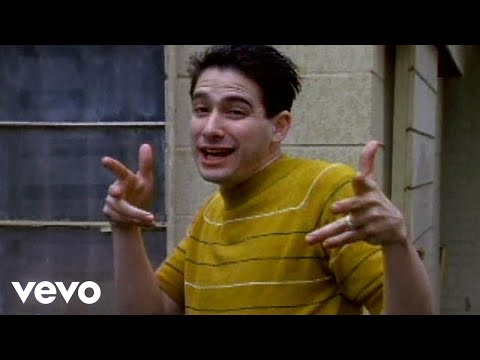
  • Like many of their music videos, "Pass The Mic" was directed by MCA, credited to his alias, Nathanial Hornblower. Most of it was shot outside their new studio, G-Son in the Atwater Village section of Los Angeles. When they took over the space, they put in a half-pipe and basketball court, so it also served as a hangout. They named it G-Son because there was a sign on the roof that once read "Gelson Plumbing," but the only letters still clearly visible were "G--son."
  • Cassette copies of the Check Your Head album didn't have enough room to include printed lyrics, so the group included a post office box address where fans could write to get them. So many did that they had to hire a guy to process them. Luckily, this guy used a Mac to enter the names and addresses into a database, which Beastie Boys later used as a mailing list when they started their own magazine, Crown Royal, a year later.

Comments

Be the first to comment...

Editor's Picks

Edie Brickell

Edie BrickellSongwriter Interviews

Edie Brickell on her collaborations with Paul Simon, Steve Martin and Willie Nelson, and her 2021 album with the New Bohemians.

Hawksley Workman

Hawksley WorkmanSongwriter Interviews

One of Canada's most popular and eclectic performers, Hawksley tells stories about his oldest songs, his plentiful side projects, and the ways that he keeps his songwriting fresh.

Into The Great Wide Open: Made-up Musicians

Into The Great Wide Open: Made-up MusiciansSong Writing

Eddie (played by Johnny Depp in the video) found fame fleeting, but Chuck Berry's made-up musician fared better.

Best Band Logos

Best Band LogosSong Writing

Queen, Phish and The Stones are among our picks for the best band logos. Here are their histories and a design analysis from an expert.

Charlie Daniels

Charlie DanielsSongwriter Interviews

Charlie discusses the songs that made him a Southern Rock icon, and settles the Devil vs. Johnny argument once and for all.

Supertramp founder Roger Hodgson

Supertramp founder Roger HodgsonSongwriter Interviews

Roger tells the stories behind some of his biggest hits, including "Give a Little Bit," "Take the Long Way Home" and "The Logical Song."