Lotus Blossom

Album: In a Quiet Cathedral (1959)
Play Video

Songfacts®:

  • The history of Billy Strayhorn's "Lotus Blossom" is a complicated one. Even the name changed over the years. It was known as "Hominy," "All Roads Lead Back to You," and, in 1947, Johnny Hodges recorded it as "Charlotte Russe," presumably named for the popular dessert of the 1930s and 1940s. It was finally registered as "Lotus Blossom" in 1959.

    Strayhorn was a pianist in Duke Ellington's band, and it was Ellington who recorded the most popular version of this song. Ellington, however, could never figure out how Strayhorn wrote the song. Jazz composer and pianist Don Shirley said, "Of all the things that Billy wrote, 'Lotus Blossom' was such an enigma for Duke. It got to a point that I began to realize that it bothered him - in the good sense - trying to figure, how did he do that? It's that kind of thing. But Billy had that kind of genius."
  • The inspiration for the song may have come from a place important to Strayhorn long before he wrote the song in the 1940s. Perhaps as an escape from his alcoholic father, Strayhorn spent a great deal of time in his grandmother's garden, which may have inspired not just "Lotus Blossom," but also his songs "Violet Blue, "Passion Flower," and "A Flower is a Lonesome Thing."
  • At first it may seem surprising that a moody jazz classic like "Lotus Blossom" would appear in a baseball movie, but Field of Dreams is as much about relationships as it is baseball. Add in the fact that composer James Horner, who gained fame for his score of Titanic, was also responsible for the Field of Dreams Academy Award-nominated score, and it is not difficult to see how "Lotus Blossom" found its way into the film. In 2000, the song is also used as part of the score for the M. Knight Shyamalan's thriller, Unbreakable.
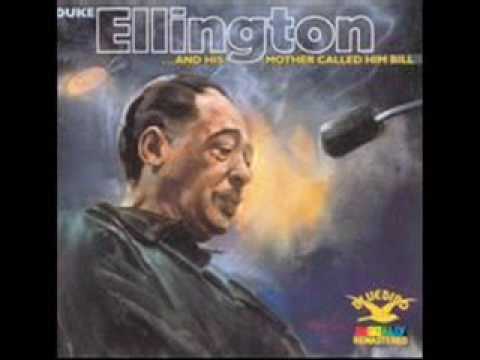
  • Duke Ellington liked the song so much that it eventually became the sign-off song at the end of each of his band's performance. It is his recording of "Lotus Blossom" that may be the best of the many covers that exist. He said that it was the song that Strayhorn liked to hear him play the most. After Strayhorn died from cancer of the esophagus on May 31, 1967, Ellington and some of the band went into the recording studio in August to make a tribute album of some of Strayhorn's lesser-known songs. When the session for the album And His Mother Called Him Bill was over, Ellington went back to the piano. As he sat there alone, he began to play "Lotus Blossom." The recording equipment was still on as he played. Harry Carney unpacked his baritone sax and Aaron Bell took out his bass and the two men sat in with Ellington on the second chorus. It became the last track of the album and many jazz critics viewed this rendition of "Lotus Blossom" as Ellington's final eulogy to his friend. Fittingly, when Ellington died in 1974, Alec Wyton reworked the song for the organ and he played it at Ellington's funeral at St. John the Divine in New York.

Comments: 1

  • Nestle from Great BritainSuch a wistful, yearning and soulful melody - and so unusual in form with all the semi-tones
    BUT . . . are there lyrics? That's what I came on to find out; though it speaks for itself.
    This is the definitive version for me.
    Thank you Duke et al.
see more comments

Editor's Picks

Muhammad Ali: His Musical Legacy and the Songs he Inspired

Muhammad Ali: His Musical Legacy and the Songs he InspiredSong Writing

Before he was the champ, Ali released an album called I Am The Greatest!, but his musical influence is best heard in the songs he inspired.

Michael Sweet of Stryper

Michael Sweet of StryperSongwriter Interviews

Find out how God and glam metal go together from the Stryper frontman.

Devo

DevoSongwriter Interviews

Devo founders Mark Mothersbaugh and Jerry Casale take us into their world of subversive performance art. They may be right about the De-Evoloution thing.

Dennis DeYoung

Dennis DeYoungSongwriter Interviews

Dennis DeYoung explains why "Mr. Roboto" is the defining Styx song, and what the "gathering of angels" represents in "Come Sail Away."

Tom Bailey of Thompson Twins

Tom Bailey of Thompson TwinsSongwriter Interviews

Tom stopped performing Thompson Twins songs in 1987, in part because of their personal nature: "Hold Me Now" came after an argument with his bandmate/girlfriend Alannah Currie.

Evolution Of The Prince Symbol

Evolution Of The Prince SymbolSong Writing

The evolution of the symbol that was Prince's name from 1993-2000.