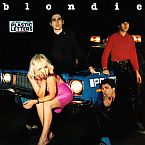

Denis

Album: Plastic Letters (1977)
Charted: 2
Play Video

Songfacts®:

  • "Denis" is a cover of a doo-wop song by Randy & The Rainbows called "Denise," which reached #10 in America in 1963. That song was written by Neil Levenson after meeting a girl named Denise Lefrak. He originally called it "Pretty Girl" before changing the title to "Denise."
  • For Blondie to cover this song with lead singer Deborah Harry they had to turn Denise into a guy, so they made him French and changed the spelling to Denis. This kept the highly singable pronunciation the same.

    Blondie made considerable changes to the lyric, not just to swap the genders but also to update the song a bit. The 1963 original has a lot of "dooby-doo," which Harry turned into lines like "eyes of blue." In both songs, the singer is head-over-heels in love with Denise/Denis.
  • The second verse is a French translation of the first verse; Deborah Harry wanted it that way to make it clear that Denis was a French guy. Harry didn't speak French fluently but could fake these translated lyrics well enough. That same year, Talking Heads released "Psycho Killer" with some French lyrics.
  • "Denis" was released in 1977 on Blondie's second album, Plastic Letters. The group is from America but were signed to British-based record company, Chrysalis, which promoted them in the UK and continental Europe before trying to break them in their home country. "Denis" became a hit in those areas (it went all the way to #2 in the UK), but got little attention in the US. Their American breakthrough came with their next album, Parallel Lines, released in 1978. That album's first single, "Heart Of Glass," went to #1 in the US in April 1979 and topped the charts in many other countries as well.
  • According to Blondie guitarist Chris Stein, they heard the 1963 song "Denise" on an oldies compilation album and decided to cover it, hoping it would break them in America because it might be familiar to listeners. It ended up tanking in America but providing their European breakthrough, possibly because "Denis" is a European-sounding name.
  • Blondie were one of the few American groups making music videos in the years before MTV, and they made one for "Denis." Like most of their '70s videos, it's studio performance footage with lots of tight shots on the very photogenic Deborah Harry, who is always backlit and sometimes in slow motion. These videos aired on many outlets across Europe, where it was common practice for variety shows to play them if the artist couldn't appear in person.

Comments: 2

  • Nicolas from Paris, FranceAccording to book "Itinraire d'un dandy pop" which is the biography of Jacno's from the French duet Elli and Jacno, this song was a message from Debbie Harry to him. Jacno real name is Denis Quillard.
  • Howard from Wakefield, United KingdomSimilar to Peggy Sue by Buddy Holly; that's obvious.
see more comments

Editor's Picks

Gary Lewis

Gary LewisSongwriter Interviews

Gary Lewis and the Playboys had seven Top 10 hits despite competition from The Beatles. Gary talks about the hits, his famous father, and getting drafted.

Jack Tempchin - "Peaceful Easy Feeling"

Jack Tempchin - "Peaceful Easy Feeling"They're Playing My Song

When a waitress wouldn't take him home, Jack wrote what would become one of the Eagles most enduring hits.

Keith Reid of Procol Harum

Keith Reid of Procol HarumSongwriter Interviews

As Procol Harum's lyricist, Keith wrote the words to "A Whiter Shade Of Pale." We delve into that song and find out how you can form a band when you don't sing or play an instrument.

Richie Wise (Kiss producer, Dust)

Richie Wise (Kiss producer, Dust)Songwriter Interviews

Richie talks about producing the first two Kiss albums, recording "Brother Louie," and the newfound appreciation of his rock band, Dust.

Donald Fagen

Donald FagenSongwriter Interviews

Fagen talks about how the Steely Dan songwriting strategy has changed over the years, and explains why you don't hear many covers of their songs.

Don Dokken

Don DokkenSongwriter Interviews

Dokken frontman Don Dokken explains what broke up the band at the height of their success in the late '80s, and talks about the botched surgery that paralyzed his right arm.