Blood, Sweat & Tears

Blood, Sweat & Tears Artistfacts

  • 1967-
    Al KooperVocals, keyboards1967-1968
    Fred LipsiusSaxophone1967-1972
    Dick HalliganHorns, flute1967-1972
    Steve KatzGuitar1967-1973
    Bobby ColombyDrums1967-1977
    Jim FielderBass1967-1974
    David Clayton-ThomasVocals1968-2004
    Lew SoloffTrumpet1968-1974
  • One of the most intriguing riddles in rock 'n' roll history is: How did Blood, Sweat & Tears get their name? In Al Kooper's book Backstage Passes and Backstabbing Bastards, the truth is finally revealed: "One particular night, Jimi Hendrix, B. B. King, myself, and an unidentified drummer and bass player were going at it all night at the Cafe Au Go Go... At daybreak, when we finished playing, they put the house lights on and somebody observed: 'Christ! Look at the organ! There's blood all over the keyboard!' Sure enough, I had cut my hand playing, and in the state of bliss induced by my compatriot's sound had not felt a thing. What a great album cover, I thought. No. What a great name for a band."
  • Al Kooper formed the band in 1967, but left after their first album. His replacement was the Canadian singer David Clayton-Thomas, who became the voice of the group. Clayton-Thomas brought the song "Spinning Wheel" to the group, which became their most enduring hit.
  • The group was huge in 1969, which was a good time to be popular since it meant prime position at Woodstock. BS&T were slated to earn $15,000 at the festival, second only to Jimi Hendrix. Since Woodstock was a financial disaster, they didn't get paid. They were also not included in the movie, since they would have earned a percentage of the gross.
  • When Blood, Sweat & Tears was first forming, they needed $40,000 seed money while the first album was in progress. This made Jerry Wexler at Atlantic Records (the A&R behind Leiber and Stoller, Led Zeppelin, and Bob Dylan, amongst others) turn them down. Mo Ostin of Warner Brothers also nibbled but turned them down. Finally Bill Gallagher at Columbia signed them on, after attending the Monterey Pop Festival and becoming interested in the alternative market.
  • Original drummer Bobby Colomby owns the name of the group and kept them active with a rotating cast of musicians. Their most visible member, David Clayton-Thomas, was with the group from 1969-1972 and again from 1975-2004. Various vocalist took the role over the next 10 years, with Bo Bice taking over in 2014.
  • In Al Kooper's memoir, he writes that he originally conceived of Blood, Sweat & Tears as "a band that could put dents in your shirt if you got within fifteen rows of the stage. Like Maynard Ferguson's band from the years 1960-1964, I wanted a horn section that would play more than the short adjectives they were relegated to in R&B bands; but, on the other hand, a horn section that would play less than Count Basie's or Buddy Rich's. Somewhere in the middle was a mixture of soul, rock, and jazz that was my little fantasy."
  • David Clayton-Thomas had a regular gig at a New York club called The Scene on 47th Street in 1968 when the original Blood, Sweat & Tears fractured. His visa ran out, so went back to Canada, but Bobby Colomby had seen him perform and asked him to join the band. Colomby arranged a new visa, and the band had their new singer.
  • The group toured constantly from 1969-1972 in large part because that's how most of their members made their living. In a Songfacts interview with David Clayton-Thomas, he explained: "In those days, the only people that were making some serious money were myself - as the songwriter - and Bobby Colomby who owned the name. The rest of the guys only got paid when we toured."

    This touring took a toll on the Clayton-Thomas and was one reason he left the group in 1972.
  • Their 1969 album Blood, Sweat & Tears won the Grammy Award for Album of the Year. The award was given to them by Louis Armstrong at the ceremony.
  • Clive Davis agreed to sign Blood, Sweat & Tears to Columbia the first time he saw them at Greenwich Village's Cafe Au-Go-Go. "I had never seen horns used this way," he said.

Comments: 1

  • Kenny Sheil from Portland Me9 people are in the photo. Not named is Chuck Winfield, Trumpet. 1968 or1969 - 1972 or 1973.
see more comments

Editor's Picks

Andrew Farriss of INXS

Andrew Farriss of INXSSongwriter Interviews

Andrew Farriss on writing with Michael Hutchence, the stories behind "Mystify" and other INXS hits, and his country-flavored debut solo album.
Danny Kortchmar

Danny KortchmarSongwriter Interviews

Danny played guitar on Sweet Baby James, Tapestry, and Running On Empty. He also co-wrote many hit songs, including "Dirty Laundry," "Sunset Grill" and "Tender Is The Night."
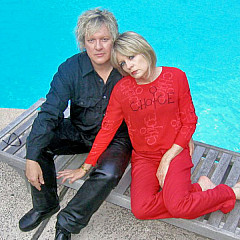
Chris Frantz - "Genius of Love"

Chris Frantz - "Genius of Love"They're Playing My Song

Chris and his wife Tina were the rhythm section for Talking Heads when they formed The Tom Tom Club. "Genius of Love" was their blockbuster, but David Byrne only mentioned it once.
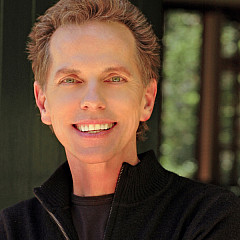
Dean Pitchford

Dean PitchfordSongwriter Interviews

Dean wrote the screenplay and lyrics to all the songs in Footloose. His other hits include "Fame" and "All The Man That I Need."
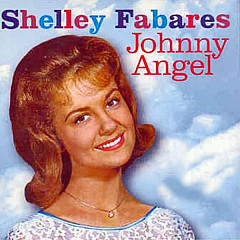
Who's Johnny, And Why Does He Show Up In So Many Songs

Who's Johnny, And Why Does He Show Up In So Many SongsSong Writing

For songwriters, Johnny represents the American man. He has been angry, cool, magic, a rebel and, of course, marching home.
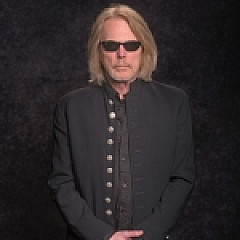
Scott Gorham of Thin Lizzy and Black Star Riders

Scott Gorham of Thin Lizzy and Black Star RidersSongwriter Interviews

Writing with Phil Lynott, Scott saw their ill-fated frontman move to a darker place in his life and lyrics.