Chimes Of Freedom

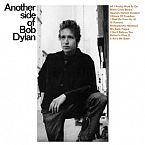
Album: Another Side of Bob Dylan (1964)
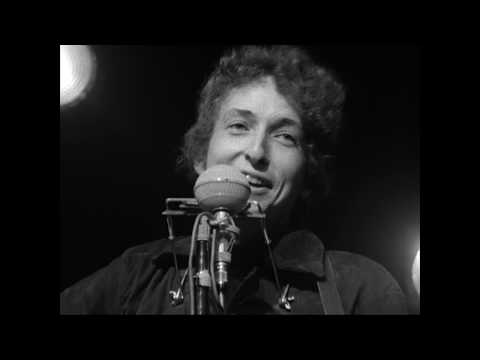
Play Video

Songfacts®:

  • Upon casual listen, the obvious interpretation of the song is that it's about bells or chimes but, as Paul Williams points out in his book Bob Dylan: Performing Artist (The Early Years), a close listen/read reveals that the song is actually about lightning. In the lyrics, Dylan describes ducking into a doorway to escape a storm and, while standing with his unnamed compatriot, having a synesthetic experience in which the flashes of lightning become like flashing bells ringing out for the oppressed everywhere.
  • "Chimes of Freedom" by Bob Dylan is an arch-typical song from his rebellious period, of which a lot was served up on Another Side of Bob Dylan. It was written in 1964 and is influenced by the symbolist poetry of Arthur Rimbaud. Its subject muses over the unfairness of the treatment of downtrodden people, while citing the rumbling thunder as crying for them.

    Music critic Paul Williams called the song Dylan's "Sermon on the Mount." (Referring to the King James' Bible Matthew chap. 5-7).
  • "Mr. Tambourine Man" shares a niche with this song, being the other Dylan song influenced by Rimbaud's poetry and also having been written at about the same time.
  • This song was a big part of Dylan's tour performances in 1964, but he retired it soon after only to revive it again in 1987 on tours with The Grateful Dead and Tom Petty and the Heartbreakers.
  • Dylan scholar Mike Marqusee in his book Chimes of Freedom: The Politics of Bob Dylan's Art marks this song as the transition from Dylan the angry protest folk singer to Dylan the born-again pacifist moral poet.
  • Heavy speculation ensues that Dylan wrote this in reaction to US president John Kennedy's assassination. Dylan denies this, but then he denies everything the media says about him.
  • Dylan played "Chimes of Freedom" live before the Lincoln Memorial in 1993 for the inauguration of US president Bill Clinton.

Comments: 2

  • Edlis from Havanahttps://www.facebook.com/groups/edlis.cafe/permalink/708882165816985/

    "Bob's song "Chimes of Freedom" was begun when he was staying at the Waldorf Astoria on Charles St. in Toronto in 1964; the original MS is on hotel stationery. Listening to the song today, I noticed that church bells are repeatedly mentioned, and this got me wondering if he was hearing church bells in his hotel room. He was in Toronto to tape the CBC television show "Quest" on Saturday, Feb. 1. Did he hear church bells the following Sunday morning, coming from St. Paul's Anglican Church, just across Hayden Street? As for the weather - the "thunder crashing", the "blowin' rain" and the "wild ripping hail," there was 5 mm of rain the night of January 31. I called St. Paul's and they have one bell, now decommissioned." — Mike Daley
  • Reg from Kemptville, On"Chimes Of Freedom" is one of the Dylan songs covered by The Byrds.
see more comments

Editor's Picks

Brandi Carlile

Brandi CarlileSongwriter Interviews

As a 5-year-old, Brandi was writing lyrics to instrumental versions lullabies. She still puts her heart into her songs, including the one Elton John sings on.

Victoria Williams

Victoria WilliamsSongwriter Interviews

Despite appearances on Carson, Leno and a Pennebaker film, Williams remains a hidden treasure.

Director Mark Pellington ("Jeremy," "Best Of You")

Director Mark Pellington ("Jeremy," "Best Of You")Song Writing

Director Mark Pellington on Pearl Jam's "Jeremy," and music videos he made for U2, Jon Bon Jovi and Imagine Dragons.
Timothy B. Schmit of the Eagles

Timothy B. Schmit of the EaglesSongwriter Interviews

Did this Eagle come up with the term "Parrothead"? And what is it like playing "Hotel California" for the gazillionth time?

Dave Edmunds

Dave EdmundsSongwriter Interviews

A renowned guitarist and rock revivalist, Dave took "I Hear You Knocking" to the top of the UK charts and was the first to record Elvis Costello's "Girls Talk."

Women Who Rock

Women Who RockSong Writing

Evelyn McDonnell, editor of the book Women Who Rock, on why the Supremes are just as important as Bob Dylan.