
Suze (The Cough Song)

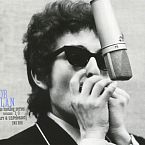
Album: The Bootleg Series Volumes 1-3 (Rare & Unreleased) 1961-1991 (1991)
Play Video

Songfacts®:

  • "Suze (The Cough Song)" is the early form of "Nashville Skyline Rag." The song was recorded on October 24, 1963, but wasn't formally released until March 26, 1991, on The Bootleg Series Volumes 1–3: Rare & Unreleased, 1961–1991. It's the first known instrumental recording that Dylan ever made.
  • The song was interrupted by a fit of coughing by Dylan, which forced producer Tom Wilson to stop the recording, thus the title.
  • The song appears to have been an early sketch of something intended to be on The Times They Are A-Changin', but it didn't get put on that album or any other until it was released on the Bootleg Series many years later. It did, however, mutate into "Nashville Skyline Rag" and find a home on Nashville Skyline album.
  • The "Suze" in the title is Suze Rotolo, the woman hooking arms with Dylan on the cover of his second album, The Freewheelin' Bob Dylan, and Dylan's girlfriend from 1961 to 1964.

    Rotolo influenced Dylan's music for the time they were together. She was a red-diaper baby, meaning she was born to parents who belonged to the United States Communist Party, no small thing during the heat of the Cold War between the United States and the Soviet Union. Rotolo held on to her parent's political beliefs, even risking her own welfare by breaking the law to visit Communist Cuba in 1964. She was working as an activist with the Congress of Racial Equality when she met Dylan. In other words, she wasn't messing around with her Leftism.

    So, it's not surprising that it was during this period of Dylan's life when he produced his most overtly political music and made himself a darling with the American progressive community. It may also be unsurprising that so soon after breaking with Rotolo, Dylan shed those political ties seemingly without a second thought.

    Dylan started moving away from overtly political music with Another Side of Bob Dylan, the first album he made after his breakup with Rotolo. By the time he produced Bringing It All Back Home a few months later, he truly stepped into his role as the surrealistic bard of folk-rock-psychedelia, producing his most iconic music and establishing the wild-haired, brooding, black-clad Dylan image that is lodged forever in the zeitgeist as the Bob Dylan. In so doing he'd left his political firebrand persona behind, angering much of the fanbase that had supported him to that point.
  • Suze Rotolo also influenced Dylan's music on a more mundane level by inspiring several songs of heartache, anger, and love. "Boots of Spanish Leather," "Don't Think Twice, It's All Right," "Down The Highway," and "Tomorrow Is A Long Time" were all about Rotolo. Dylan was only in his early 20s when he wrote these songs, and, like most of us at that age, struggled to see his own actions through others' eyes. Later, he would regret some of what he sang about.

    Their break resulted from many factors, from friction with Rotolo's family to the emotional aftermath of an abortion, to the pressures of being famous and partnered with a famous person, but the straw that really broke this camel's back was Dylan's continued affair with folk musician Joan Baez. That was, according to most accounts, what ultimately did them in for good.

Comments

Be the first to comment...

Editor's Picks

Janis Ian

Janis IanSongwriter Interviews

One of the first successful female singer-songwriters, Janis had her first hit in 1967 at age 15.

Lace the Music: How LSD Changed Popular Music

Lace the Music: How LSD Changed Popular MusicSong Writing

Starting in Virginia City, Nevada and rippling out to the Haight-Ashbury, LSD reshaped popular music.

Jimmy Jam

Jimmy JamSongwriter Interviews

The powerhouse producer behind Janet Jackson's hits talks about his Boyz II Men ballads and regrouping The Time.

Dar Williams

Dar WilliamsSongwriter Interviews

A popular contemporary folk singer, Williams still remembers the sticky note that changed her life in college.

Commercials

CommercialsFact or Fiction

Was "Ring Of Fire" really used to sell hemorrhoid cream?

Reverend Horton Heat

Reverend Horton HeatSongwriter Interviews

The Reverend rants on psychobilly and the egghead academics he bashes in one of his more popular songs.