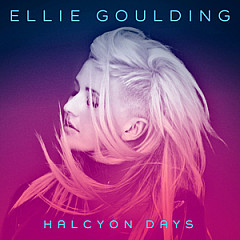
Ellie Goulding's hit single "Burn" was originally demoed by Leona Lewis for her 2011 Glassheart album. She scrapped the tune when the project was retooled to include more ballads.
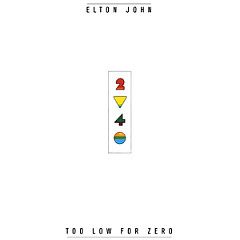
"I Guess That's Why They Call It The Blues" by Elton John was written for the sister of actress Rene Russo. Bernie Taupin, who wrote the lyrics, was married to Rene's sister, Toni.
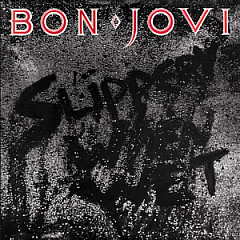
Gina in Bon Jovi's "Livin' On A Prayer" is based on a singer named Maria Vidal, who was working as a singing waitress using the name Gina Velvet.
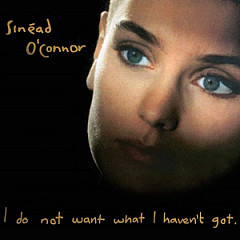
Two tears roll down Sinead O'Connor's face toward the end of the video for "Nothing Compares 2 U." They were shed because she associated the song's lyrics of love and loss with her mother, who was killed in a car accident in 1985.
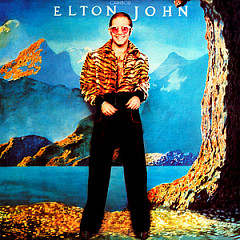
Recording "Don't Let The Sun Go Down On Me," Elton John was frustrated and sang the line "don't discard me" with an exaggerated American accent, which is why is sounds strange.
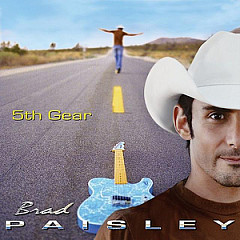
The video for Brad Paisley's "Online" is a mini-Seinfeld reunion, featuring Jason Alexander, Estelle Harris, and Patrick Warburton.
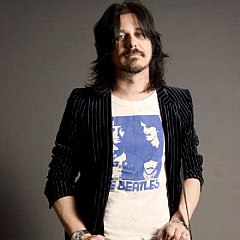
The Guns N' Roses rhythm guitarist in the early '90s, Gilby talks about the band's implosion and the side projects it spawned.
Songs about drugs, revolution and greed that have been used in commercials for sneakers, jeans, fast food, cruises and cars.

Tom stopped performing Thompson Twins songs in 1987, in part because of their personal nature: "Hold Me Now" came after an argument with his bandmate/girlfriend Alannah Currie.

The top chant artist in the Western world, Krishna Das talks about how these Hindu mantras compare to Christian worship songs.
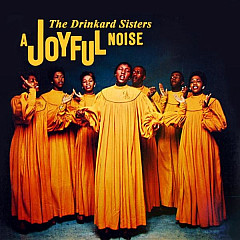
A big list of musical marriages and family relations ranging from the simple to the truly dysfunctional.