Wild Billy's Circus Story

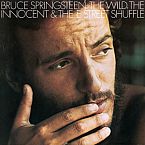
Album: The Wild, The Innocent & The E Street Shuffle (1973)
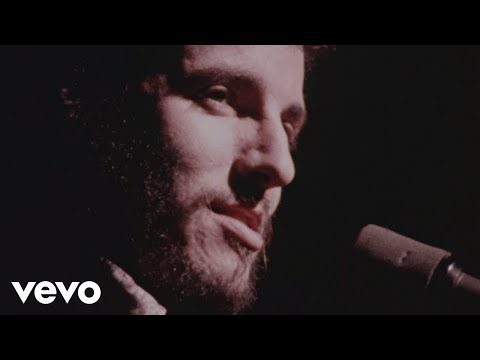
Play Video

Songfacts®:

  • This was inspired by the Clyde Beatty/Cole Brothers circus that visited Springsteen's hometown of Freehold, New Jersey every summer. In the song, we hear about all the unusual folks who are part of the circus: the sideshow performers, the Ferris wheel mechanic, the acrobats and the barker among them. At the end of the song, the circus boss spots a little boy and asks if he'd like to join the show.

    Springsteen made up the characters, but he could relate to Billy. "I've stood around carnivals at nights when they're clearing up and I was scared," he said in a 1974 ZigZag interview.
  • Springsteen was intrigued by the constant travel of the circus, a lifestyle similar to his as a touring musician. There are many parallels in the professions, including the equipment hauls, the strange cast of characters, the visits to small towns and the will to entertain.

    In his book Songs, Springsteen wrote that the song is about "The seduction and loneliness of a life outside the margins of everyday life."
  • The elephant trumpet was simulated by a tuba played by Garry Tallent, an E Street Band member who typically played bass. The song showed up in some of Springsteen's setlists from 1973-1974. Done live, it was was rather unusual, with Tallent playing the tuba and Danny Federici on accordion.
  • Springsteen started performing this song, known at the time as "Circus Town," in 1972 soon after forming the E Street Band. He recorded it with the group for their second album, The Wild, The Innocent & The E Street Shuffle, in 1973. When he hit the road to promote the album, Springsteen earned an impressive live following but sales were stagnant. Knowing his label (Columbia) would drop him if he didn't shift some units, he went in more of a rock direction for his next album, Born To Run, which got him back on solid ground. "Wild Billy's Circus Story" reflects a time when Springsteen was less structured and more experimental - a time when he could put a tuba and accordion on a song without thinking twice about it.
  • Billy is never named in the lyric - in many of Springsteen's early songs the title doesn't appear.
  • The last line is, "All aboard, Nebraska's our next stop." Springsteen released his album Nebraska in 1982.

Comments: 3

  • Sarah from Kennewick, WaGotta love the tuba in this one--so original & incomparable, especially to anything else going on in the early 1970's.
  • Ted from Glenview, Ilwhat do you mean he missed it? He screwed up and didn't play it?
  • Rob from TorontoBruce played this during D&D, and it was outstanding. Still love the version from the WBCN interview where Garry missed the big tuba solo!
see more comments

Editor's Picks

Dean Pitchford

Dean PitchfordSongwriter Interviews

Dean wrote the screenplay and lyrics to all the songs in Footloose. His other hits include "Fame" and "All The Man That I Need."

David Sancious

David SanciousSongwriter Interviews

Keyboard great David Sancious talks about his work with Sting, Seal, Springsteen, Clapton and Aretha, and explains what quantum physics has to do with making music.

Roger McGuinn of The Byrds

Roger McGuinn of The ByrdsSongwriter Interviews

Roger reveals the songwriting formula Clive Davis told him, and if "Eight Miles High" is really about drugs.

Francis Rossi of Status Quo

Francis Rossi of Status QuoSongwriter Interviews

Doubt led to drive for Francis, who still isn't sure why one of Status Quo's biggest hits is so beloved.

Dan Reed

Dan ReedSongwriter Interviews

Dan cracked the Top 40 with "Ritual," then went to India and spent 2 hours with the Dalai Lama.

Jackie DeShannon - "Put a Little Love in Your Heart"

Jackie DeShannon - "Put a Little Love in Your Heart"They're Playing My Song

It wasn't her biggest hit as a songwriter (that would be "Bette Davis Eyes"), but "Put a Little Love in Your Heart" had a family connection for Jackie.