
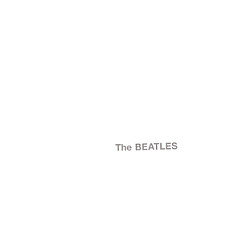
Paul McCartney wrote "Blackbird" in Scotland after reading about race riots in the US, triggered when federal courts forced the racial desegregation of the Arkansas capital's school system.
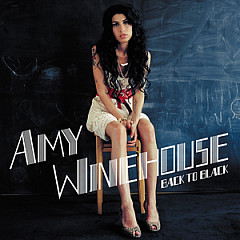
Amy Winehouse really did refuse "Rehab." She said she drank because she was lovesick, and "you can't go into rehab for that."
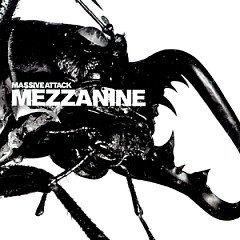
"Teardrop" by Massive Attack has vocals by Elizabeth Fraser of The Cocteau Twins, who wrote the lyric after learning that Jeff Buckley had died.
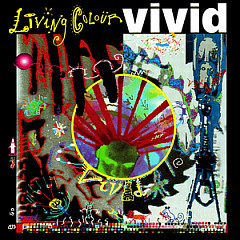
"Cult of Personality" by Living Colour incorporates speeches by John F. Kennedy, Malcolm X and Franklin D. Roosevelt.
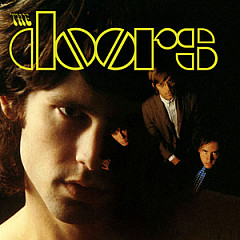
"Light My Fire" was the first song Doors guitarist Robby Krieger wrote. Looking for a universal theme, he decided to write about one of the four elements (air, earth, water, fire).
Sia Furler originally sent "Pretty Hurts" to Katy Perry, but she didn't see the email, so Beyonce ended up recording it instead.
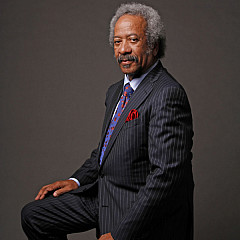
A song he wrote and recorded from "sheer spiritual inspiration," Allen's didn't think "Southern Nights" had hit potential until Glen Campbell took it to #1 two years later.
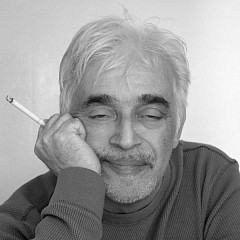
A talented lyricist, Philip helped revive Neil Sedaka's career with the words to "Laughter In The Rain" and "Bad Blood."
Katy Perry mentions McDonald's, Beyoncé calls out Red Lobster, and Supertramp shouts out Taco Bell - we found the 10 restaurants most often mentioned in songs.
With a few clues (Works at a diner, dreams of running away), can you name the character in the song?
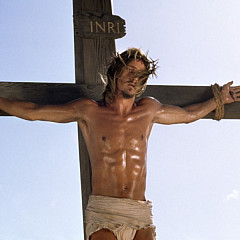
The in-depth discussion about the making of Jesus Christ Superstar with Ted Neeley, who played Jesus in the 1973 film.
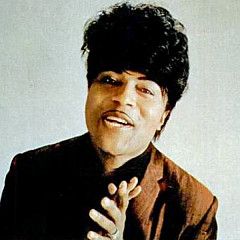
Was Long Tall Sally a cross-dresser? Did he really set his piano on fire? See if you know the real stories about one of rock's greatest innovators.