
Living In The Plastic Age

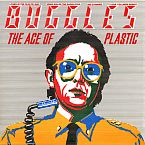
Album: The Age of Plastic (1980)
Charted: 16
Play Video

Songfacts®:

  • The Buggles are best known for their debut single, "Video Killed The Radio Star," a #1 hit in their native UK and the first song played on MTV. "Living In The Plastic Age" was their next single.

    The group was the duo of Trevor Horn and Geoff Downes, both of whom later joined Yes. Horn handled vocals and also played guitar and bass; Downes was the keyboard wizard who programmed the drums and handled the synths. They created a sound that could be hailed as futuristic or derided as artificial, but unlike other acts in this milieu (Gary Numan, New Musik), they made the criticism of this music the concept, exemplified in this song.

    In a Songfacts interview with Downes, he explained: "The whole concept of the Buggles was that nothing was real - everything was fake. So, the process we went through with the Buggles was very much a case of imitation: I was imitating strings and oboes and orchestral instruments, and Trevor used this sort of automaton voice. It was almost like the advancement of the technological age - with digital stuff. That was really how that came about, that song."
  • This song is an interesting snapshot of a time when computers and digital recording were just starting to become viable. It's a look at the inexorable advance of technology and how it will affect our lives, making everything cheaper and easier. As the Plastic Age gave way to the Internet Age, this became even more relevant.
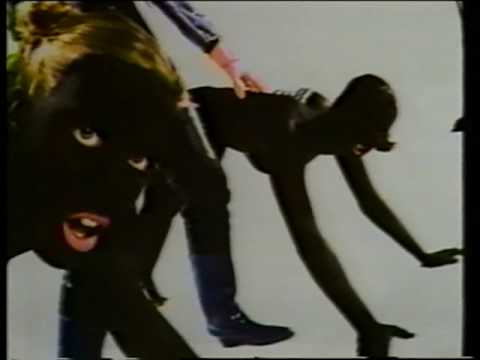
  • Like "Video Killed The Radio Star," the video was directed by Russell Mulcahy, one of the most visionary and experimental directors in the pre-MTV era. The video used cutting edge special effects and compositing techniques to create a warped reality that is disconcerting and unpredictable. It was much better than most of what MTV was showing, but the network ignored it. The album had been out for about 18 months when the network launched and the song never got any traction on US radio, so it wouldn't have gotten any support. "Video Killed The Radio Star" became a mainstay because it hit right on the nose.
  • The full-length album version runs 5:05; it was edited down to 3:47 for the single, which is the version used in the video.

    The album version opens with an aural montage of eerie ambiance and telephones.
  • Trevor Horn worked for a time in a plastic bag factory, but that's not what gave him the "Plastic Age" concept. "That was mostly me being irritated by people saying, 'Eh, your music sounds a bit plastic,'" he told the New York Times. "After a while, I thought, 'F--k them! It's the plastic age!'"

Comments

Be the first to comment...

Editor's Picks

How The Beatles Crafted Killer Choruses

How The Beatles Crafted Killer ChorusesSong Writing

The author of Help! 100 Songwriting, Recording And Career Tips Used By The Beatles, explains how the group crafted their choruses so effectively.

Lace the Music: How LSD Changed Popular Music

Lace the Music: How LSD Changed Popular MusicSong Writing

Starting in Virginia City, Nevada and rippling out to the Haight-Ashbury, LSD reshaped popular music.

Steely Dan

Steely DanFact or Fiction

Did they really trade their guitarist to The Doobie Brothers? Are they named after something naughty? And what's up with the band name?

Millie Jackson

Millie JacksonSongwriter Interviews

Outrageously gifted and just plain outrageous, Millie is an R&B and Rap innovator.

Harry Wayne Casey of KC and The Sunshine Band

Harry Wayne Casey of KC and The Sunshine BandSongwriter Interviews

Harry Wayne Casey tells the stories behind KC and The Sunshine Band hits like "Get Down Tonight," "That's The Way (I Like It)," and "Give It Up."

Francis Rossi of Status Quo

Francis Rossi of Status QuoSongwriter Interviews

Doubt led to drive for Francis, who still isn't sure why one of Status Quo's biggest hits is so beloved.