Rae Street

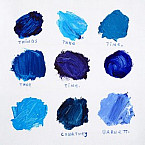
Album: Things Take Time, Take Time (2021)
Play Video

Songfacts®:

  • Courtney Barnett wrote this song in lockdown as she gazed out of the window of her Melbourne apartment on Rae Street. She paints the scene: the early morning garbage truck, a child learning to ride a bike, house painting, and more.
  • Along with Barnett's mundane observations about everyday events, she also considers our collective need to make the world a better place.

    All our candles, hopes and prayers
    Though well-meanin', they don't mean a thing
    Unless we see some change


    "I think the layers are probably that nice little mystery of songwriting," Barnett told Uncut magazine." When you try too hard to do something, it doesn't quite work out their way you want to... I don't quite know the answer. I definitely sculpt things so they have many different layered meanings. But sometimes it's just an accident."
  • Barnett follows her lyric about the need for change with a seemingly humdrum line:

    Unless we see some change
    I might change my sheets today


    The "sheets" line is a reference to change starting at home. "If you have big expectations, you'll let yourself down straight away," Barnett explained to The Sun. "On climate change, you can't just go to the United Nations and change the rules but you can recycle and change your immediate environment."
  • Well, time is money
    And money is no man's friend


    "Rae Street" began with a writing exercise where Barnett listed all the phrases she could remember her parents saying. The "Time is money, and money is no man's friend" adage on the chorus comes from her father.

    "The chorus is something that I remember from my childhood, something my dad would say as a bit of a joke, as a hurry-up if we were late for school or whatever," Barnett told Apple Music. "It's just always stuck in my head, and when I reflected on it as an adult, it took on a whole new meaning, especially in the context of last year when the world slowed down or stopped in some places, and people lost jobs."
  • The song is the opening track of Things Take Time, Take Time. Whereas "Rae Street" finds Barnett "waiting for the day to become night," its closing track, "Oh the Night," has the tortured singer reflecting on how "the night goes so slowly." The cyclical nature of everything is a thread that runs through the album.

    "It was a bit of a recurring theme without me even knowing it, while I was writing all the songs," said Barnett to Uncut. "There's definitely a lot of 'day into night,' and 'night into day' imagery on this album. But then I think I think forgot until I did the tracklisting. It was an accident, but it was kind of a perfect accident, if that makes sense."
  • Barnett stopped by The Tonight Show Starring Jimmy Fallon on August 17, 2021, to perform the song alongside her backing band, the CB3. It was her sixth appearance on the show.

Comments

Be the first to comment...

Editor's Picks

Kristian Bush of Sugarland

Kristian Bush of SugarlandSongwriter Interviews

Kristian talks songwriting technique, like how the chorus should redefine the story, and how to write a song backwards.

Sarah Brightman

Sarah BrightmanSongwriter Interviews

One of the most popular classical vocalists in the land is lining up a trip to space, which is the inspiration for many of her songs.

Brenda Russell

Brenda RussellSongwriter Interviews

Brenda talks about the inspiration that drove her to write hit songs like "Get Here" and "Piano in the Dark," and why a lack of formal music training can be a songwriter's best asset.

Vanessa Carlton

Vanessa CarltonSongwriter Interviews

The "A Thousand Miles" singer on what she thinks of her song being used in White Chicks and how she captured a song from a dream.

Director Mark Pellington ("Jeremy," "Best Of You")

Director Mark Pellington ("Jeremy," "Best Of You")Song Writing

Director Mark Pellington on Pearl Jam's "Jeremy," and music videos he made for U2, Jon Bon Jovi and Imagine Dragons.

Mike Scott of The Waterboys

Mike Scott of The WaterboysSongwriter Interviews

The stories behind "Whole Of The Moon" and "Red Army Blues," and why rock music has "outlived its era of innovation."