Turning Green

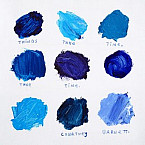
Album: Things Take Time, Take Time (2021)
Play Video

Songfacts®:

  • Living alone in a friend's empty Melbourne apartment during lockdown, Courtney Barnett watched the seasons change.

    The trees are turning green
    And this springtime lethargy
    Is kinda forcing you to see
    Flowers in the weeds


    As the reality of lockdown sank in, Barnett observed the world outside, guitar in hand. "Turning Green" reflects her experience of finding renewed hope. "I sat by that window, and there was a huge tree at the front, so I watched the seasons change," she told Rolling Stone. "I guess it's also metaphorical. There's something so joyous about that song. You feel that the characters have been through some sort of transformation, and they've come out on the other side."
  • Barnett recorded "Turning Green" with producer Stella Mozgawa (Warpaint, Cate Le Bon, Kurt Vile) at Sydney's Golden Retriever Studios. She sings over a beat from a vintage drum machine she'd picked up from Wilco's The Loft studio. "Starting out, we did this whole version that sounded like a jangly guitar-pop song," Barnett told Apple Music. "But it didn't grab me, so we pulled it apart and Stella reprogrammed some drums. I put the guitar down because it just didn't seem like it fit, and we kind of flipped it on its head to see if it would inspire a better feeling. And it did, straight away - just singing along to it made the words come to life in a different way."
  • "Turning Green" started as a guitar-heavy song until Barnett figured it sounded too much like her older material, so she stripped it back to a Germanic drum-machine pulse and Can-like bass guitar. "I was singing to a Wurlitzer when we tracked it," she told Uncut magazine, "But then I took that out as well. It sounds a little bit unsettling and doesn't sound as pretty as it could be, but I like it more like this. I got rid of the guitar until the silly guitar solo at the end."
  • This is mixer David Wrench's favorite track on Things Take Time, Take Time. "We didn't want the mix to be too polished or too slick," Wrench said. "I love all those old '70s drum machines as well - so we wanted them to drive it, then have the real percussion and drums on there as well."

Comments

Be the first to comment...

Editor's Picks

Spooner Oldham

Spooner OldhamSongwriter Interviews

His keyboard work helped define the Muscle Shoals sound and make him an integral part of many Neil Young recordings. Spooner is also an accomplished songwriter, whose hits include "I'm Your Puppet" and "Cry Like A Baby."

Gavin Rossdale of Bush

Gavin Rossdale of BushSongwriter Interviews

On the "schizoid element" of his lyrics, and a famous line from "Everything Zen."

Kerry Livgren of Kansas

Kerry Livgren of KansasSongwriter Interviews

In this talk from the '80s, the Kansas frontman talks turning to God and writing "Dust In The Wind."

He Hit Me (And It Felt Like A Kiss): A History Of Abuse Pop

He Hit Me (And It Felt Like A Kiss): A History Of Abuse PopSong Writing

Songs that seem to glorify violence against women are often misinterpreted - but not always.

Petula Clark

Petula ClarkSongwriter Interviews

Petula talks about her hits "Downtown" and "Don't Sleep In The Subway," and explains her Michael Jackson connection.

Dr. John

Dr. JohnSongwriter Interviews

The good doctor shares some candid insights on recording with Phil Spector and The Black Keys.