Dignity

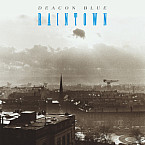
Album: Raintown (1988)
Charted: 20
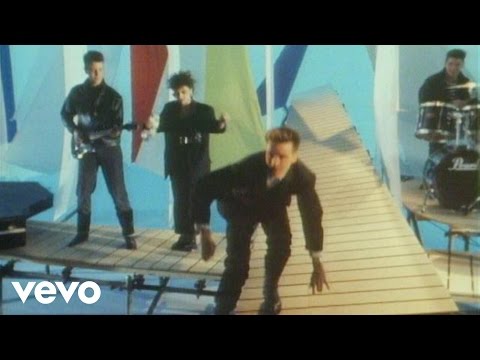
Play Video

Songfacts®:

  • "Dignity" is the debut single and one of the most iconic songs by the Scottish pop-rock band Deacon Blue. Written by lead singer Ricky Ross, it tells the story of a humble council street sweeper with dreams of dignity and freedom. It was the song that earned Deacon Blue their first record deal.
  • At the song's center is "Bogie," a Glasgow council street sweeper who has spent 20 years brushing up crisp packets and cigarette ends but secretly dreams of saving enough money to buy a boat named Dignity. Bogie's escape plans aren't glamorous, but they're steady and honest: he wants to sail up the west coast of Scotland, take holidays, and prove that achievement can come from persistence rather than luck. It's the pop song version of that scene in "Fast Car" where Tracy Chapman imagines driving away from her troubles.
  • Ross got the idea from some street sweepers he observed outside his tenement window in Pollokshields, Glasgow, a working-class neighborhood. He wrote the song while on holiday in Greece, staring at a very different street and a very different beverage, which explains his line about raki, the local firewater. "I was sitting messing around with lyrics, bored on holiday, in a far away scene," Ross told The Daily Record.
  • "Dignity" first came out in March 1987 as the lead single from Deacon Blue's debut album, Raintown. It didn't do much damage in the UK at first, though it performed modestly in the Netherlands. The first release featured a different vocal and alternate lyrics in its 12-inch version.

    After the success of two subsequent singles, the band decided to re-record "Dignity" in November 1987 with producer Bob Clearmountain. This re-recorded version was released as a single in January 1988 and finally charted in the UK, reaching #31. This helped revitalize interest in the Raintown album, boosting its sales.

    A third release in 1994, from Deacon Blue's compilation Our Town - The Greatest Hits, carried it even farther, reaching #20, proving that sometimes dignity comes slowly but eventually does arrive.
  • For a long time, Ross' co-vocalist Lorraine McIntosh wasn't sure if the lyric in bridge is "sail it up" or "set it up." It's "sail."

    "When Ricky said 'Sail' I realized I'd been singing it wrong for 30 years," she admitted.
  • Over the decades, "Dignity" has grown into a closing-song tradition at Deacon Blue shows, one of those lighters-in-the-air moments that reliably makes grown Glaswegians sniffle. It topped the public vote for '80s songs in Scotland's Greatest Album contest in 2011 and featured prominently in the closing ceremony of the 2014 Commonwealth Games in Glasgow.
  • Raintown was conceived as having overtones of a concept album relating to the struggles of urban life in Glasgow, with themes of unemployment and financial hardship woven throughout. "Dignity" offers a more optimistic counterpoint to the darker reflections on city life found elsewhere on the record.

Comments

Be the first to comment...

Editor's Picks

Stephen Christian of Anberlin

Stephen Christian of AnberlinSongwriter Interviews

The lead singer/lyricist for Anberlin breaks down "Impossible" and covers some tracks from their 2012 album Vital.

Emilio Castillo from Tower of Power

Emilio Castillo from Tower of PowerSongwriter Interviews

Emilio talks about what it's like to write and perform with the Tower of Power horns, and why every struggling band should have a friend like Huey Lewis.

Art Alexakis of Everclear

Art Alexakis of EverclearSongwriter Interviews

The lead singer of Everclear, Art is also their primary songwriter.

Graham Bonnet (Alcatrazz, Rainbow)

Graham Bonnet (Alcatrazz, Rainbow)Songwriter Interviews

Yngwie Malmsteen and Steve Vai were two of Graham's co-writers for some '80s rock classics.

They Might Be Giants

They Might Be GiantsSongwriter Interviews

Who writes a song about a name they found in a phone book? That's just one of the everyday things these guys find to sing about. Anything in their field of vision or general scope of knowledge is fair game. If you cross paths with them, so are you.

Who's Johnny, And Why Does He Show Up In So Many Songs

Who's Johnny, And Why Does He Show Up In So Many SongsSong Writing

For songwriters, Johnny represents the American man. He has been angry, cool, magic, a rebel and, of course, marching home.