Debbie Gibson

Debbie Gibson Artistfacts

  • August 31, 1970
  • Born in Brooklyn and raised on Long Island, Debbie Gibson was a musical overachiever from the start. She began piano lessons at age 5, wrote her first song that same year, and by fifth grade had composed a full opera.
  • As a teenager in her family's converted garage on Long Island, Debbie Gibson was not only writing and singing her own songs but also engineering them with whatever she could find around the house. Before she got her hands on professional equipment, her setup was pure DIY: a Casio keyboard, a row of cassette players lined up on the ironing board, and even a container of Carvel ice cream sprinkles for percussion. Her mom eventually borrowed money from "Cousin Joe" to buy a 4-track tape recorder, but until then Gibson's demos were stitched together with tape splices and ingenuity.
  • When Gibson first met with Atlantic Records execs, including Ahmet Ertegun, she came prepared in the most teenage way possible. At just 16, she'd already written about 100 songs, each on its own cassette. She walked into the meeting with a brown paper lunch bag full of tapes, dumped them onto the desk, and declared: "Here's my album."
  • Debbie's late mother, Diane, was fiercely protective of her daughter's artistry. In label meetings in the '80s, Diane would literally pound her fist on the table to insist that Debbie produce her own songs, a rarity at the time, especially for a teenage girl. That determination helped Gibson become the youngest female artist to write, produce, and perform a Billboard #1 hit with "Foolish Beat."
  • While most teens were filling diaries with crushes and complaints, Debbie was writing a new song nearly every day. She described it as carrying around a "secret," the thrill of being the only person in the world to hear a melody she'd just created.
  • Debbie Gibson was the sole songwriter on each of her seven Top 20 Billboard Hot 100 singles and supervised the production herself, making her unique among her teen pop peers of the late 1980s. Her second album, Electric Youth included another #1, "Lost In Your Eyes."
  • In 1989, Gibson was named ASCAP Songwriter of the Year, sharing the honor with Bruce Springsteen. At just 18 years old, she was the youngest person to receive the award.
  • The Pixies name-checked her in "Make Believe," a B-side from 1990 with playful lyrical references to Gibson and her pop style.
  • When her label began nudging her toward a more provocative image, Gibson resisted, walking away from major-label money to record independently. It was a risky move for a young pop star at her peak, but it gave her the control she valued.
  • Debbie Gibson reinvented herself on stage with leading roles in Les Misérables, Grease, Cabaret, and Beauty and the Beast. She proved she could belt out Éponine's heartbreak on stage just as convincingly as she once brought teenage longing to life on "Only In My Dreams."

Comments

Be the first to comment...

Editor's Picks

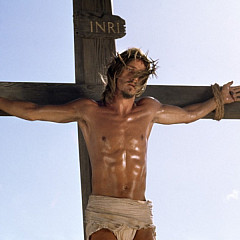
Jesus Christ Superstar: Ted Neeley Tells the Inside Story

Jesus Christ Superstar: Ted Neeley Tells the Inside StorySong Writing

The in-depth discussion about the making of Jesus Christ Superstar with Ted Neeley, who played Jesus in the 1973 film.

Name the Character in the Song

Name the Character in the SongMusic Quiz

With a few clues (Works at a diner, dreams of running away), can you name the character in the song?
Richard Butler of The Psychedelic Furs

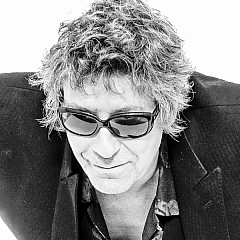
Richard Butler of The Psychedelic FursSongwriter Interviews

Psychedelic Furs lead singer Richard Butler talks about their first album since 1991 and explains what's really going on in "Pretty In Pink."
History Of Rock

History Of RockSong Writing

An interview with Dr. John Covach, music professor at the University of Rochester whose free online courses have become wildly popular.
Dean Friedman - "Ariel"

Dean Friedman - "Ariel"They're Playing My Song

Dean's saga began with "Ariel," a song about falling in love with a Jewish girl from New Jersey.
He Hit Me (And It Felt Like A Kiss): A History Of Abuse Pop

He Hit Me (And It Felt Like A Kiss): A History Of Abuse PopSong Writing

Songs that seem to glorify violence against women are often misinterpreted - but not always.