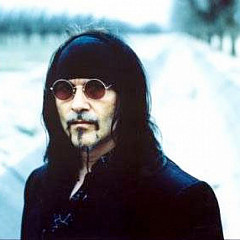
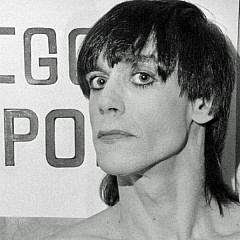
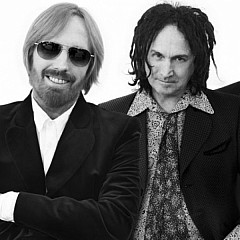
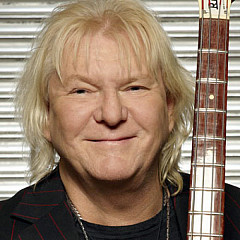
1978-1987, 2003-Kevin RowlandVocals1978–87, 2003 -
Jim PatersonTrombone1978–82, 1985, 2005 -
Pete WilliamsBass1978–80, 2003 -
Lucy MorganViolin2003-
Kevin 'Al' ArcherGuitar1978-81
Mick TalbotKeyboards1980, 2003–13
Dexys frontman Kevin Rowland was originally in a punk band called The Killjoys with guitarist Kevin "Al" Archer. Rowland had an idea to form a big soul band with a brass section and he founded Dexy's Midnight Runners in 1978 in Birmingham, England with Archer, recruiting trombonist "Big" Jim Paterson, saxophonist Geoff "JB" Blythe, alto saxophonist Steve "Babyface" Spooner, keyboardist Pete Saunders, bassist Pete Williams and drummer Bobby "Jnr" Ward.
They took their name from Dexedrine – a pep pill favored by '60 mods. The "midnight runners" referred to the energy the Dexedrine gave, enabling the poll poppers to dance all night.
It was Bernie Rhodes, manager of The Clash, who steered Dexys early career, by arranging a recording recording career with EMI. The band fell out with Rhodes after he interfered with the production of their debut single, "
Dance Stance," accusing him of muddying the sound.
Despite the success of their debut Searching For The Young Soul Rebels album, every member of Dexys, bar Sullivan and Archer had left the group by late 1980. The majority of the former members formed a new band The Bureau.
Dexys' second album
Too-Rye-Ay recorded with a new lineup, reflected Rowland's passion at the time for Celtic-influenced folk music allied to a rock beat. It was a huge success spawning the single "
Come On Eileen," which knocked Michael Jackson's "
Billie Jean" off the top spot in the US. It was also the best-selling single of 1982 in the UK.
Al Archer, exhausted by Dexys' touring schedule, had left the group in early 1981 and formed The Blue Ox Babes. Speaking to Q magazine in 1993, a contrite Rowland credited Archer with being responsible for the Too-Rye-Ay sound. "After Searching For The Young Soul Rebels, when he left we were both experimenting with strings," he explained. "I wasn't getting what I wanted; he found it and I stole it."
There was another purge for the third album, Don't Stand Me Down, with Rowland recording with an entirely new set of musicians. However it failed to replicate the success of its predecessors and Dexys Midnight Runners disbanded in 1987. Rowland pursued a solo path for sixteen years, recording the albums The Wanderer and My Beauty. In the spring of 2003 he announced a new six-piece incarnation of the group, with the name shortened to simply Dexys.
Fans had to wait until 2012 before Dexys released their fourth album, One Day I'm Going to Soar. Rowland told us that the reason for the long delay was they didn't feel ready until then. "I was aware of the legacy of the first three albums," he explained. "I felt we did really achieve something there, and it wasn't really appreciated at the time. But by the '90s, people reappraised that. We started to get really good notices and people would be coming up to me in the street, talking about Don't Stand Me Down."
He added: "I think subconsciously I was aware that we needed to do something that was at least as good as that."
In America, Dexys Midnight Runners are thought of as one-hit-wonders, "Come On Eileen" being their only chart success. However in the UK they achieved nine Top 40 singles, including a second #1, "
Geno."
Kevin Rowland told us how the Dexys approach their song-writing: "What we normally do is start with a good chord sequence and a good rhythm," he explained. "Let's find a really good rhythm, a drum beat, and let's find a really good chord sequence. We'll put those two things together that are working, and then we start singing melodies over the top. Then we listen back and see what we got."
"I always write the lyrics separately," Rowland added. "I'll go away and write them around what I'm hearing in the track. Something might inspire me, might evoke a certain feeling in me and I'll go away and write the lyric. Or quite often, as I did with a song I've written recently, I just go through my lyric book. I've got a lyric book with a few lyrics in it, and I'll think, 'Oh, this ought to fit.' That's how we do it."
In 1987, Dexys Midnight Runners were dropped by their label and disbanded. Rowland became reliant on drugs, entered rehab, and lost the fortune he made in his 20s. He hit a low point when he signed on at the benefits office and the rest of the dole queue, spotting him, broke into a chorus of "Come on Eileen."
Rowland released in 1999 a collection of interpretations of musical standards called
My Beauty. The album was widely ridiculed, mostly because its cover image depicted a heavily made-up Rowland in a dress and lingerie. "It was open season on me for some reason,"
he recalled to the Guardian. "Even the Guardian album review was headlined 'Frocky horror.' I think I just battened down the hatches after that."
Kevin Rowland's first-ever gig was at Tamworth in the summer of 1975 when he performed with his brother's covers band New Blood and sang the Cole Porter standard "
True Love." The song sounded great during rehearsals, but when Rowland got on stage to perform it, he experienced stage fright. He recalled in his memoir
Bless Me Father, "a screeching came out" when he tried to sing it, which made him think he wouldn't sing for a while after that.
Despite this rocky first vocal performance, Rowland continued performing with his brother's band, playing around 50-60 gigs in total with the group. They wore white suits and covered popular songs and Elvis material.
During their 1979 support slot for The Specials at The Factory in Manchester, Dexys' brass section impressed The Specials so much that they tried to recruit the players for the first 2 Tone tour.