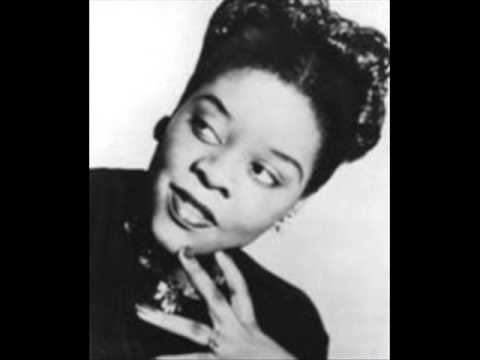
Mad About The Boy

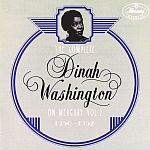
Album: The Complete Dinah Washington (1952)
Charted: 41
Play Video

Songfacts®:

  • This Noël Coward composition, an ode to an unnamed film star, has become a standard. It was a personal favorite of Coward himself, and is one of his most well known and most performed numbers, very cleverly and unusually constructed melodically.

    "Mad About The Boy" first appeared in the 1932 revue Words And Music, and was recorded twice by Bea Lillie. A recording by Peter Greenwell as "a pin-stripe-suited businessman" for Set To Music was suppressed as "too daring" at the time. This version included an extra refrain.

    Although Coward denied ever recording the song himself, 20 years after his death, Alan Farley of the Noël Coward Society found what appeared to be an original disk in the possession of Joan Hirst, who had been Coward's secretary from 1949. After transferring it to cassette she and Farley agreed that it was indeed Coward singing on the record. Later, another copy came to light; a reliable source listed it as recorded in London on September 20, 1932. The record was in fact a test pressing for His Master's Voice which had been rejected for release.
  • "Mad About The Boy" has been covered by many artists – most of them women for obvious reasons - but the definitive recording is probably that made by Dinah Washington. There remains some speculation about the identity of the boy in question; one answer is that it was anyone you wanted it to be, a composite character of the leading men of the day, perhaps. There is though another possibility.

    The lyrics refer to the boy having "a gay appeal"; although the word gay did not become synonymous with homosexual for another three decades and more, according to the Encyclopedia Of Homosexuality, the phrase "gay cat" meaning "a homosexual boy" first appeared in print in 1933; and had obviously been in use some time before that. Noël Coward was homosexual, and had a wicked sense of humor, so it is quite likely that the song's title was an in-joke.

    Homosexuality between consenting adults was illegal in Britain up until the Wolfenden reforms of the mid 1960s, but even then Coward did not "come out." >>>
    Suggestion credit:
    Alexander Baron - London, England, for above 2
  • Quincy Jones, who went on to produce albums for Michael Jackson, George Benson and The Brothers Johnson, worked on this song.
  • In 1992, this was used in a famous Levi's jeans advertisement where a young man on a hot hot summers day struggles through several gardens to jump into a pool wearing no shirt, but of course his jeans. >>>
    Suggestion credit:
    Pia - Copenhagen, Denmark

Comments: 1

  • Jennifer from Belfast, IrelandThe theme of the song could be because Noel Coward was gay and he was mad about the boys but very ashamed of it.
see more comments

Editor's Picks

Tommy James

Tommy JamesSongwriter Interviews

"Mony Mony," "Crimson and Clover," "Draggin' The Line"... the hits kept coming for Tommy James, and in a plot line fit for a movie, his record company was controlled by the mafia.

Steely Dan

Steely DanFact or Fiction

Did they really trade their guitarist to The Doobie Brothers? Are they named after something naughty? And what's up with the band name?

David Gray

David GraySongwriter Interviews

David Gray explains the significance of the word "Babylon," and talks about how songs are a form of active imagination, with lyrics that reveal what's inside us.

JJ Burnel of The Stranglers

JJ Burnel of The StranglersSongwriter Interviews

JJ talks about The Stranglers' signature sound - keyboard and bass - which isn't your typical strain of punk rock.

Tim McIlrath of Rise Against

Tim McIlrath of Rise AgainstSongwriter Interviews

Rise Against frontman Tim McIlrath explains the meanings behind some of their biggest songs and names the sci-fi books that have influenced him.

George Clinton

George ClintonSongwriter Interviews

When you free your mind, your ass may follow, but you have to make sure someone else doesn't program it while it's wide open.