
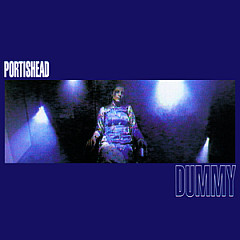
The eerie percussion and guitar for Portsihead's "Sour Times" was sampled from Lalo Schifrin's "Danube Incident," music composed by the Argentine composer for an episode of Mission Impossible.
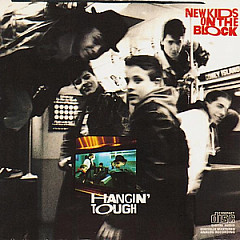
"Hangin' Tough" came at the peak of New Kids On The Block mania (1988). Their writer/producer Maurice Starr wrote it about the struggles the band faced early on. It was a #1 hit in both America and the UK.
Rachel Platten refused to talk politics when her "Fight Song" became the anthem for Hillary Clinton's 2016 presidential campaign, a decision she came to regret.
The Four Tops' "I Can't Help Myself (Sugar Pie Honey Bunch)" was written by the Motown team of Lamont Dozier, Brian Holland and Eddie Holland. The phrase "Sugar pie, honey bunch" was something Dozier's grandfather used to say when he was a kid.
The chorus of "Voulez-vous coucher avec moi ce soir" in "Lady Marmalade" is French for "Do you want to sleep with me tonight?" When Labelle performed it on television, they had to change it to "Voulez-vous danser avec moi ce soir" (Do you want to dance with me tonight?).
Mick Jagger was a little freaked out when Maroon 5 released "Moves Like Jagger," a celebration of his stage moves. "It puts a bit of pressure on me when I go out dancing," he said.
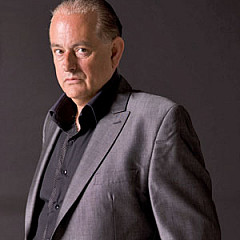
Martyn talks about producing Tina Turner, some Heaven 17 hits, and his work with the British Electric Foundation.
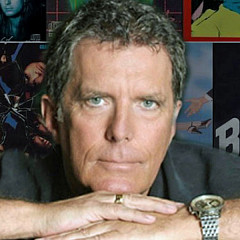
Ron Nevison explains in very clear terms the Quadrophenia concept and how Heart staged their resurgence after being dropped by their record company.
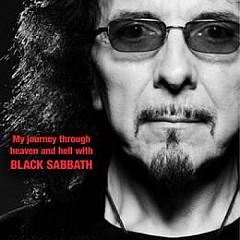
Dwarfs on stage with an oversize Stonehenge set? Dabbling in Satanism? Find out which Spinal Tap-moments were true for Black Sabbath.
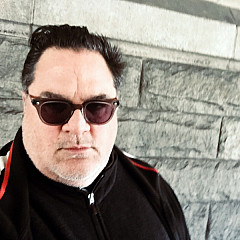
Director Mark Pellington on Pearl Jam's "Jeremy," and music videos he made for U2, Jon Bon Jovi and Imagine Dragons.
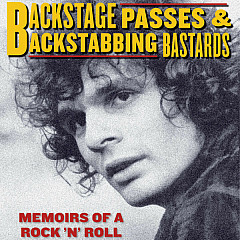
Kooper produced Lynyrd Skynyrd, played with Dylan and the Stones, and formed BS&T.
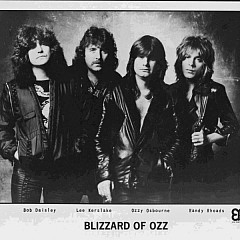
Bob was the bass player and lyricist for the first two Ozzy Osbourne albums. Here's how he wrote songs like "Crazy Train" and "Mr. Crowley" with Ozzy and Randy Rhoads.