Me And Little Andy

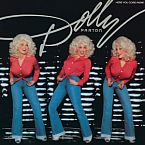
Album: Here You Come Again (1977)
Play Video

Songfacts®:

  • This sorrowful tune is the flipside to "Here You Come Again," the hit title track to Dolly Parton's pop breakthrough album. In this one, a little girl who was abandoned by her mother and neglected by her drunken father shows up on someone's doorstep with her little dog, Andy, in tow. She and her furry friend are given a warm bed for the night but both of them die in their sleep. On a more positive note, they reunite in heaven so they can always be together.
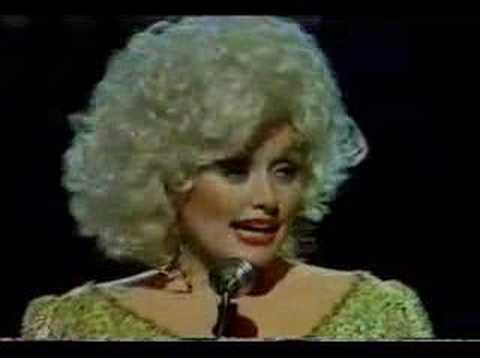
  • While critics dismissed the tune for being too maudlin, the Tonight Show audience gave Dolly lots of love when she performed it during her debut appearance on January 19, 1977 - which also happened to be her 31st birthday.
  • Dolly admitted this was an odd little number for a pop album, but she wanted to include some of her own compositions on the record, which include tracks by Barry Mann and Cynthia Weil ("Here You Come Again"), Kenny Rogers ("Sweet Music Man"), John Sebastian ("Lovin' You"), and Bobby Goldsboro ("Cowgirl & The Dandy").
  • Dolly cut this from her nightclub act after an angry drunk man heckled her for singing it at a Las Vegas show. She recalled in her 2020 book, Songteller: "This guy in the audience hollered out, 'Don't sing that damn song in a nightclub! It's bad enough that the kid died! Did you have to kill the damn dog, too?' I thought, 'Well maybe he's right. Or maybe he's the daddy in the song who's drunk again.' So I took it out of my club act, where people drink. I thought, 'It's hard enough for regular people who ain't drunk to deal with some of the sorrow that I throw at 'em.' Some people want to kick my ass for writing such sorrowful songs. That guy cussed me out, big time."
  • Dolly has a couple other songs about dearly departed dogs: "Cracker Jack" and "Gypsy, Joe And Me."
  • Dolly aimed to crossover with her previous album, New Harvest…First Gathering, but although it became her first #1 Country album, it didn't make a big impression in the pop realm. Undeterred, she enlisted producer Gary Klein, who helped Glen Campbell go mainstream with "Southern Nights" earlier in 1977. That did the trick. Here You Come Again peaked at #20 in the US, her highest entry on the albums chart up to that point, and its lead single went to #3 on the Hot 100. It also landed at #2 on the Country Albums tally.

Comments: 2

  • AnonymousWhy did they die?
  • AnonymousYou probably struck a cord in that drunk that made him see himself in some manner. Even though this song tugs at heart strings it reminds us especially at this time of year depression and substance abuse go hand and hand. We must always be mindful of others around the holidays, especially now while this pandemic rages all around us.
see more comments

Editor's Picks

Andrew Farriss of INXS

Andrew Farriss of INXSSongwriter Interviews

Andrew Farriss on writing with Michael Hutchence, the stories behind "Mystify" and other INXS hits, and his country-flavored debut solo album.

Danny Kortchmar

Danny KortchmarSongwriter Interviews

Danny played guitar on Sweet Baby James, Tapestry, and Running On Empty. He also co-wrote many hit songs, including "Dirty Laundry," "Sunset Grill" and "Tender Is The Night."

Chris Frantz - "Genius of Love"

Chris Frantz - "Genius of Love"They're Playing My Song

Chris and his wife Tina were the rhythm section for Talking Heads when they formed The Tom Tom Club. "Genius of Love" was their blockbuster, but David Byrne only mentioned it once.

Dean Pitchford

Dean PitchfordSongwriter Interviews

Dean wrote the screenplay and lyrics to all the songs in Footloose. His other hits include "Fame" and "All The Man That I Need."
Who's Johnny, And Why Does He Show Up In So Many Songs

Who's Johnny, And Why Does He Show Up In So Many SongsSong Writing

For songwriters, Johnny represents the American man. He has been angry, cool, magic, a rebel and, of course, marching home.

Scott Gorham of Thin Lizzy and Black Star Riders

Scott Gorham of Thin Lizzy and Black Star RidersSongwriter Interviews

Writing with Phil Lynott, Scott saw their ill-fated frontman move to a darker place in his life and lyrics.