Paradise

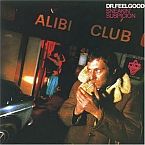
Album: Sneakin' Suspicion (1977)
Play Video

Songfacts®:

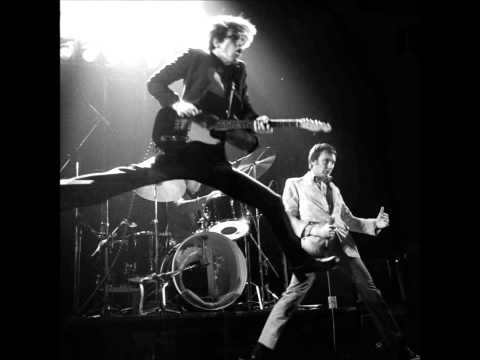
  • "Paradise" is Wilko Johnson's rocking ode to his wife Irene. He nevertheless also acknowledges the mistress he kept in London.

    I love two girls
    I ain't ashamed


    Johnson's bandmates accused him of writing an ego trip. "It's not," he told Q magazine, "it's the story of my life."
  • Asked how Irene felt about singing about cheating on her, Johnson replied. "Irene always knew my girlfriends and they knew Irene, but the thing is she was the boss, right. I didn't need to explain to no one. Ultimately, it's hypocritical in a way cos I'm a jealous so-and-so. But there wasn't any question of me running off..." His voice crumbled to a croak. "Irene was my girl."
  • Johnson has since rewritten the last verse to include Irene's death and his grief. "My tears are falling. I ain't ashamed."
  • Dr. Feelgood were riding a surge of momentum when they prepared material for their fourth album, Sneakin' Suspicion. Their no-frills live album Stupidity had topped the UK Albums Chart in October 1976 despite lacking a major hit single, fueling expectations that the band could successfully break into the American market.

    With the group's profile rapidly rising, Wilko Johnson began writing songs he hoped would carry the band to an international audience. The key track, "Paradise," started forming while he was walking in the rain.

    "I've got this repetitive riff in my head, going over and over," he told Classic Rock magazine. "When I get to a guitar and start playing it, a four-line chorus comes with the lyrics: 'Every night you look so mean, staring at your TV screen', and it ends with the words 'Irene, Irene'. So I thought, oh blimey."

    Johnson decided to base the song around his real-life relationship with his wife, making it unusually personal compared with his previous writing. He also chose to sing the song himself rather than hand vocal duties to frontman Lee Brilleaux.
  • "Paradise" recounts Johnson's teenage years with his wife on Canvey Island, referencing walks along the sea wall and the sounds of local skylarks. The lyrics also allude to a period when Johnson traveled to Kathmandu for six months, leaving her behind. The track marked the only time he used a real name in a song. In earlier compositions requiring a female character, he typically invented names, including one used in the band's debut single, "Roxette."

Comments

Be the first to comment...

Editor's Picks

Gary Lewis

Gary LewisSongwriter Interviews

Gary Lewis and the Playboys had seven Top 10 hits despite competition from The Beatles. Gary talks about the hits, his famous father, and getting drafted.

Jack Tempchin - "Peaceful Easy Feeling"

Jack Tempchin - "Peaceful Easy Feeling"They're Playing My Song

When a waitress wouldn't take him home, Jack wrote what would become one of the Eagles most enduring hits.

Keith Reid of Procol Harum

Keith Reid of Procol HarumSongwriter Interviews

As Procol Harum's lyricist, Keith wrote the words to "A Whiter Shade Of Pale." We delve into that song and find out how you can form a band when you don't sing or play an instrument.

Richie Wise (Kiss producer, Dust)

Richie Wise (Kiss producer, Dust)Songwriter Interviews

Richie talks about producing the first two Kiss albums, recording "Brother Louie," and the newfound appreciation of his rock band, Dust.

Donald Fagen

Donald FagenSongwriter Interviews

Fagen talks about how the Steely Dan songwriting strategy has changed over the years, and explains why you don't hear many covers of their songs.

Don Dokken

Don DokkenSongwriter Interviews

Dokken frontman Don Dokken explains what broke up the band at the height of their success in the late '80s, and talks about the botched surgery that paralyzed his right arm.