
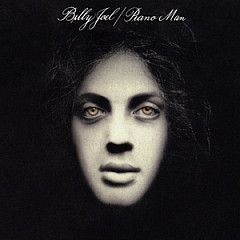
"Piano Man" was inspired by Billy Joel's time playing at a piano bar in Los Angeles. The "real estate novelist" was a guy who always talked about writing a book, but spent all his spare time in the bar.
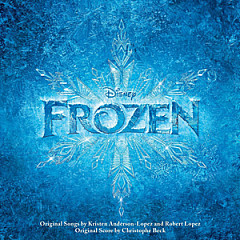
The Frozen song "Let It Go" was recorded in 42 different languages for the movie's foreign releases. This earned it an entry in the 2016 Guinness World Records publication for "Most Languages Featured on a Single."
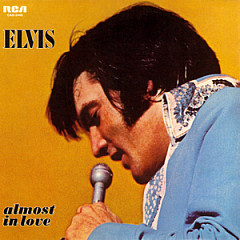
Elvis Presley's "A Little Less Conversation" was just a minor hit when it was released in 1968, but a 2002 remix made the song a global smash, taking it to #1 in a number of countries, including Australia and the UK.
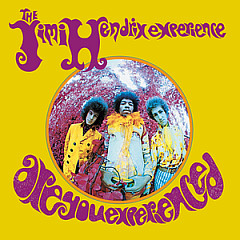
Thirty years after Jimi Hendrix played "Fire" at Woodstock, Red Hot Chili Peppers played it at Woodstock '99, but this time the unruly crowd actually set fires and looted.
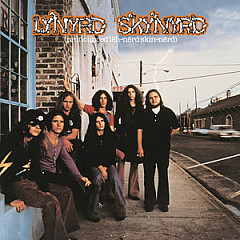
The opening lines to "Free Bird," "If I leave here tomorrow, would you still remember me?" came from the girlfriend of Lynyrd Skynyrd guitarist Allen Collins, who asked him that question during an argument.
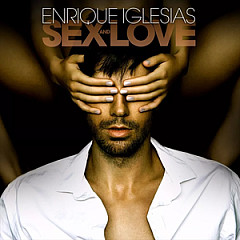
Enrique Iglesias' single "Bailando" was the first ever Spanish-language song to reach one billion views on YouTube.
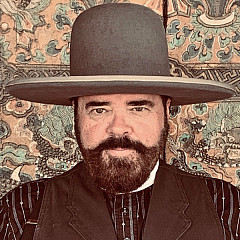
Andrew Farriss on writing with Michael Hutchence, the stories behind "Mystify" and other INXS hits, and his country-flavored debut solo album.
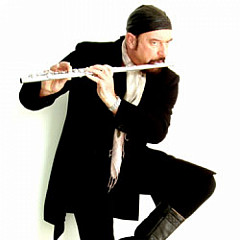
Stage urinals, flute devices, and the real Aqualung in this Fact or Fiction.
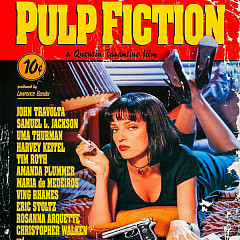
Whether he's splitting ears or burning Nazis, Quentin Tarantino uses memorable music in his films. See if you can match the song to the scene.
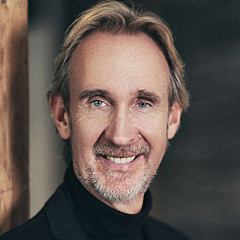
Mike Rutherford talks about the "Silent Running" storyline and "Land Of Confusion" in the age of Trump.
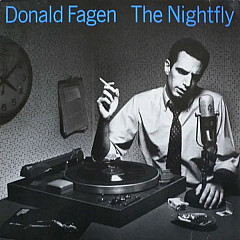
Fagen talks about how the Steely Dan songwriting strategy has changed over the years, and explains why you don't hear many covers of their songs.

A Soul Train dancer takes us through a day on the show, and explains what you had to do to get camera time.