Runaway Train
by Elton John (featuring Eric Clapton)

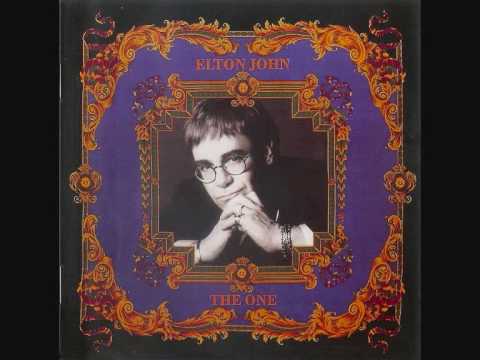
Album: The One (1992)
Charted: 31
Play Video

Songfacts®:

  • Eric Clapton played guitar and shared lead vocal duties with Elton John on this song. The lyric was written by Bernie Taupin, but it relates to both singers, who both felt like they were on a runaway train throughout decades of drug and alcohol addiction, but were now sober and getting their lives together.

    Elton got sober after checking himself into a rehab facility in 1990 and then taking the next year off to focus on his physical and mental health. Clapton got sober in 1987 after the birth of his son, Conor. When he recorded this song with Elton, he was still reeling from the death of Conor, who fell out of the window of a high-rise building in New York City on March 20, 1991.
  • Elton John and Eric Clapton were good friends and had performed together on several occasions, including on June 30, 1990 at Knebworth Park in England along with Mark Knopfler. In 1991, Clapton recorded "Border Song" for the tribute album Two Rooms. "Runaway Train" is their only duet.
  • "Runaway Train" first appeared on the soundtrack of the 1992 movie Lethal Weapon 3. In the film it plays under the end credits.
  • This was released as the second single from Elton's album The One, following the title track. Despite its star power, the song didn't chart in America and made just #31 in the UK.
  • The Swedish drummer and percussionist Olle Romo, who had previously worked with Eurythmics, has a writing credit on this song and also played on it. It's the only song on the album not credited to just Elton John and Bernie Taupin.
  • After the album was released in the summer of 1992, Elton John and Eric Clapton toured together, but didn't always play "Runaway Train." When they did, it was with Eric coming on stage to perform it during Elton's set.
  • Elton plays the organ solo on the recorded version of "Runaway Train." When he performed it live in concert, his then-keyboardist, Guy Babylon, did the honors.

Comments: 2

  • Mamie from Cleveland, OhIt was also played during the closing credits of That is when I first heard the song. AND I HAD TO FIND IT. :) As for the style of how the song is sung verses first then chorus. I have found that his later song are all done that way. verses first then chorus. He mentioned that BERNY changed the way he writes songs. I guess that is what he meant by that comment.
  • Paul from Marysville, WaWhat makes this so remarkable is that all the verses are sung before the chorus makes its first appearance.

    And once the first chorus is sung, they never sing another verse; the rest of song is just the chorus intermixed with guitar and organ solos.
see more comments

Editor's Picks

Gary Lewis

Gary LewisSongwriter Interviews

Gary Lewis and the Playboys had seven Top 10 hits despite competition from The Beatles. Gary talks about the hits, his famous father, and getting drafted.

Jack Tempchin - "Peaceful Easy Feeling"

Jack Tempchin - "Peaceful Easy Feeling"They're Playing My Song

When a waitress wouldn't take him home, Jack wrote what would become one of the Eagles most enduring hits.

Keith Reid of Procol Harum

Keith Reid of Procol HarumSongwriter Interviews

As Procol Harum's lyricist, Keith wrote the words to "A Whiter Shade Of Pale." We delve into that song and find out how you can form a band when you don't sing or play an instrument.

Richie Wise (Kiss producer, Dust)

Richie Wise (Kiss producer, Dust)Songwriter Interviews

Richie talks about producing the first two Kiss albums, recording "Brother Louie," and the newfound appreciation of his rock band, Dust.

Donald Fagen

Donald FagenSongwriter Interviews

Fagen talks about how the Steely Dan songwriting strategy has changed over the years, and explains why you don't hear many covers of their songs.

Don Dokken

Don DokkenSongwriter Interviews

Dokken frontman Don Dokken explains what broke up the band at the height of their success in the late '80s, and talks about the botched surgery that paralyzed his right arm.