
"Sing" was inspired by a girl that Ed Sheeran met in Las Vegas in the summer of 2013, when "one thing led to another and now she's kissing my mouth."
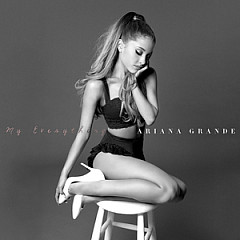
Ariana Grande's hit "Problem" started off as a track written by One Direction songwriter Savan Kotecha. He gave it the working title of "The Whisper Song," after a 2005 Ying Yang Twins hit.
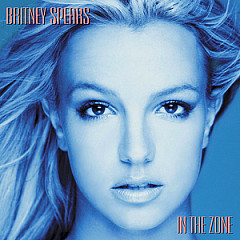
"Toxic" was the most-searched song on Google in 2004 and helped Spears become the most-searched artist that year, a title she held from 1999-2001.
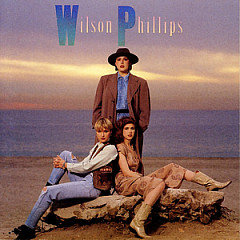
The lyric to "Hold On" by Wilson Phillips was inspired by Chynna Phillips' struggles with addiction. "Hold on for one more day" is something she heard in AA meetings.
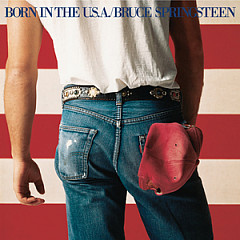
Bruce Springsteen's "Born In The U.S.A." was inspired by the book (later a movie) Born On The Fourth Of July by Ron Kovic, a Vietnam veteran who protested the war when he returned home.
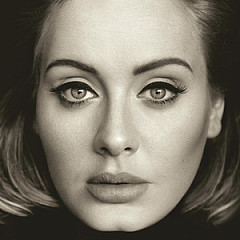
Adele isn't a ghost when she sings, "Hello from the other side" - it means the "other side of becoming an adult."
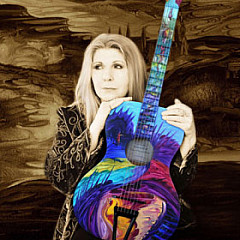
The 5-octave voice of the classical rock band Renaissance, Annie is big on creative expression. In this talk, she covers Roy Wood, the history of the band, and where all the money went in the '70s.
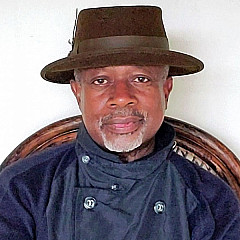
Keyboard great David Sancious talks about his work with Sting, Seal, Springsteen, Clapton and Aretha, and explains what quantum physics has to do with making music.
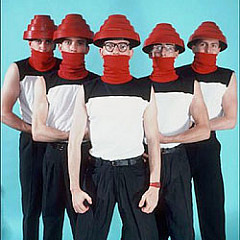
Devo founders Mark Mothersbaugh and Jerry Casale take us into their world of subversive performance art. They may be right about the De-Evoloution thing.
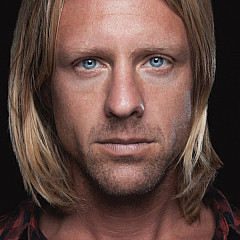
Switchfoot's frontman and main songwriter on what inspires the songs and how he got the freedom to say exactly what he means.
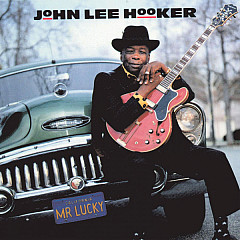
Into the vaults for Bruce Pollock's 1984 conversation with the esteemed bluesman. Hooker talks about transforming a Tony Bennett classic and why you don't have to be sad and lonely to write the blues.
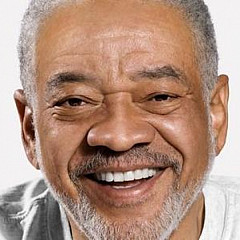
Soul music legend Bill Withers on how life experience and the company you keep leads to classic songs like "Lean On Me."