In the Garden

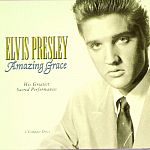
Album: Amazing Grace: His Greatest Sacred Songs (1967)
Play Video

Songfacts®:

  • This hymn was written by C. Austin Miles (1868-1946), who at the age of 24 left his job as a pharmacist to concentrate on music publishing and hymn-writing. For 37 years, he served as editor and manager at the hymnal publishers Hall-Mack, whilst penning a number of religious songs including "Answering Thy Call," "He Is Mine" and "Love, Mercy and Grace."
  • This gospel hymn is Miles' best known piece. It was commissioned by the music publisher Dr. Adam Geible, who asked Miles to write something that was "sympathetic in tone, breathing tenderness in every line; one that would bring tenderness in every line; one that would bring hope to the hopeless, rest for the weary, and downy pillows to dying beds."

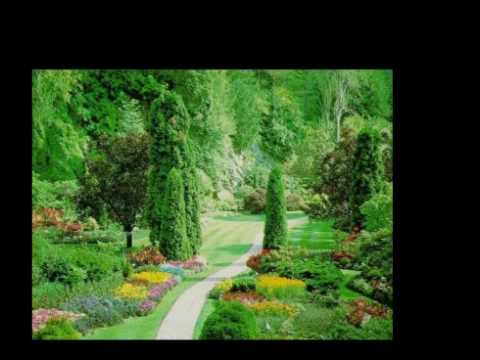
    Miles later recalled in George W. Sanville's book, Forty Gospel Hymn Stories the inspiration for this song: "One day in March, 1912, I was seated in the dark room, where I kept my photographic equipment and organ. I drew my bible toward me; it opened at my favorite chapter, John 20-whether by chance or inspiration let each reader decide."

    Miles went on to recount how he had a vision, in which he could see and hear Mary Magdalene weeping outside the tomb of Jesus as the resurrected Christ appeared to her. He recalled how he "became a silent witness to that dramatic moment in Mary's life, when she knelt before her Lord, and cried, 'Rabboni!'" Miles then described how: "I awakened in full light, gripping the Bible, with muscles tense and nerves vibrating. Under the inspiration of this vision I wrote as quickly as the words could be formed the poem exactly as it has since appeared. That same evening I wrote the music."
  • Miles' great-granddaughter recounted on mnkurmudge.blogspot that the hymn "was written on a cold, dreary day in a cold, dreary and leaky basement in New Jersey that didn't even have a window in it let alone a view of a garden."
  • After the hymn was published in 1912 it was popularized during Billy Sunday's evangelistic campaigns of the 1910s and 20s. It is now one of America's most popular hymns.
  • Elvis Presley recorded this hymn on his 1967 gospel album How Great Thou Art. Many other artists have covered it including Ella Fitzgerald, Loretta Lynn, Dionne Warwick, Johnny Cash, Amy Grant and Perry Como.
  • The hymn is sung in the closing scene of the 1984 movie Places of the Heart.

Comments: 1

  • George from Belleville, NjThis is one of the most powerful Gospel songs ever written and one of the most powerful performances ever sung by Elvis.I believe Elvis is such a powerful force in music and one of the reasons for that is because he gave glory to God by singing about Jesus and inspiring listeners.Gospel music is the highest form of music because it brings praise to our Creator and Elvis' recordings were very uplifting.
see more comments

Editor's Picks

Randy Houser

Randy HouserSongwriter Interviews

The "How Country Feels" singer talks Skynyrd and songwriting.

Gilby Clarke

Gilby ClarkeSongwriter Interviews

The Guns N' Roses rhythm guitarist in the early '90s, Gilby talks about the band's implosion and the side projects it spawned.

Subversive Songs Used To Sell

Subversive Songs Used To SellSong Writing

Songs about drugs, revolution and greed that have been used in commercials for sneakers, jeans, fast food, cruises and cars.

Tom Bailey of Thompson Twins

Tom Bailey of Thompson TwinsSongwriter Interviews

Tom stopped performing Thompson Twins songs in 1987, in part because of their personal nature: "Hold Me Now" came after an argument with his bandmate/girlfriend Alannah Currie.

Krishna Das

Krishna DasSongwriter Interviews

The top chant artist in the Western world, Krishna Das talks about how these Hindu mantras compare to Christian worship songs.
What Musicians Are Related to Other Musicians?

What Musicians Are Related to Other Musicians?Song Writing

A big list of musical marriages and family relations ranging from the simple to the truly dysfunctional.