Habits

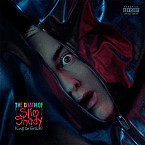
Album: The Death of Slim Shady (2024)
Charted: 11 19
Play Video

Songfacts®:

  • Eminem's meteoric rise to fame at the turn of the century came with a dark side. To cope with the pressure and personal demons, he turned to prescription drugs like Vicodin, Valium, and Ambien. He's been candid about this period, describing himself as a "functioning addict" who managed to maintain his career while battling a hidden monster.

    In 2007, Eminem's addiction reached a horrifying peak. A near-death overdose from methadone, a medication used for opioid addiction, forced him to confront his reality. This brush with mortality served as a wake-up call.

    On "Habits," a track from Eminem's 12th album, The Death of Slim Shady (Coup de Grâce), he dives deep into his struggles with addiction, using his signature vivid imagery and dark humor to paint a stark picture of the hold drugs had on him. This isn't the first time Em has laid bare his battle with substance abuse; back in 2009, he recounted his descent into dependency on "Déjà Vu."
  • The song opens with a skit featuring Em's infamous alter ego, Slim Shady. The chaotic world of Slim Shady, with its threats and impending doom, quickly throws listeners back into the darkness Eminem faced.

    "Habits" becomes a battleground within Eminem's mind. Slim Shady acts as a constant tempter, luring him back to the destructive habits of the past. Eminem yearns for freedom, but Slim Shady thrives on chaos, pushing him towards relapse. This internal conflict is the heart of the song, reflecting the grueling struggle many addicts face.
  • The chorus, delivered by Eminem's frequent collaborator White Gold, hammers home this idea. Addiction becomes a relentless force personified by Slim Shady himself. Marshall Mathers was as hooked on his dark persona as he was on the drugs. He's tried to exorcise Slim Shady on several tracks, including "When I'm Gone" and "My Darling," but the darkness lingers.

    White Gold, born Bobby Yewah, is a singer, songwriter, and producer from The Bronx, New York. He's lent his voice to several Eminem tracks before, including "You Gon' Learn," "Zeus," and another track from The Death of Slim Shady (Coup de Grâce), "Bad One." He also produced "Habits."
  • The rest of "Habits" is a lyrical grab bag that careens wildly from Eminem's struggles to stay sober to some pointed jabs at the state of modern discourse. Em has never been one to mince words, and here, in the guise of Slim Shady, he lets loose on everything from political correctness run amok to the hair-trigger outrage of social media. He addresses terms like "misogyny" and "homophobia" like they're grenades, daring folks to take offense, all while seeming to mock the very idea of getting canceled.
  • A day before the release of The Death of Slim Shady (Coup de Grâce), Eminem took to Twitter to say the album is "conceptual" and advised fans to listen to the songs in order.

    Slim Shady stages a hostile takeover, hijacking the first two-thirds of the album. The twisted Slim unleashes the kind of edgy provocations that have been the Detroit rapper's trademark since his debut. But then comes the turning point. "Guilty Conscience 2" explodes into a dramatic showdown, with Marshall Mathers shooting Shady point blank - the Coup de Grâce of the title. The rest of the album finds Mathers spitting rhymes as Eminem.
  • Eminem co-wrote "Habits" with Luis Resto, a Detroit musician he's been working with since his third major-label album, The Eminem Show. Resto contributed to 17 tracks on The Death of Slim Shady (Coup de Grâce), including the lead single, "Houdini."
  • The interlude is from "Safe Space," the fifth episode of South Park's 19th season. The episode centers around the concept of safe spaces and features a character named Reality (voiced by Alex Ruiz) who challenges celebrities for self-congratulatory acts that lack true substance.

Comments

Be the first to comment...

Editor's Picks

Tommy James

Tommy JamesSongwriter Interviews

"Mony Mony," "Crimson and Clover," "Draggin' The Line"... the hits kept coming for Tommy James, and in a plot line fit for a movie, his record company was controlled by the mafia.

Steely Dan

Steely DanFact or Fiction

Did they really trade their guitarist to The Doobie Brothers? Are they named after something naughty? And what's up with the band name?

David Gray

David GraySongwriter Interviews

David Gray explains the significance of the word "Babylon," and talks about how songs are a form of active imagination, with lyrics that reveal what's inside us.

JJ Burnel of The Stranglers

JJ Burnel of The StranglersSongwriter Interviews

JJ talks about The Stranglers' signature sound - keyboard and bass - which isn't your typical strain of punk rock.

Tim McIlrath of Rise Against

Tim McIlrath of Rise AgainstSongwriter Interviews

Rise Against frontman Tim McIlrath explains the meanings behind some of their biggest songs and names the sci-fi books that have influenced him.

George Clinton

George ClintonSongwriter Interviews

When you free your mind, your ass may follow, but you have to make sure someone else doesn't program it while it's wide open.