Bare Trees

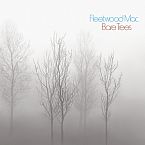
Album: Bare Trees (1972)
Play Video

Songfacts®:

  • "Bare Trees" was the title track from Fleetwood Mac's 1972 album. Though the song was never released as a single, the album peaked at #70 on the US Billboard 200 Album chart. The song was re-released in 1993 as part of the Time Life music compilation, Sounds of the 70s: FM Rock, Vol. 4.
  • Written and recorded in 1972, "Bare Trees" was a songwriting contribution of guitarist, Danny Kirwan, who was only 22 at the time. Kirwan, after being discovered in a Brixton, England pub by Fleetwood Mac members Peter Green and Mick Fleetwood, joined the band in 1968. Peter Green commented about the then 18 year old guitarist, Kirwan was "full of ideas that helped move Fleetwood Mac out of the blues and into rock music mainstream." Kirwan made significant writing contributions on the band's albums Future Games and Bare Trees, but due to escalating conflicts with band mates, Kirwan was fired from the band during their tour in support of Bare Trees.
  • Fleetwood Mac recorded their 1972 album, Bare Trees at the De Lane Lea Music Centre in Wembley, England. The studio, which started out in life some ten miles away in Holborn, England, was acquired in the mid-'60s by Major Jaques De Lane Lea, a French intelligence attaché to the British government, who used the studio to dub English films into French. Known for its sound and range of recording equipment, the studio became a popular haunt of British rock acts including The Animals, Deep Purple, and The Rolling Stones. In October 1966, The Jimi Hendrix Experience recorded their first two songs at the Holborn studio, "Hey Joe" and "Stone Free." In 1969, work began on a new studio in Wembley, England to replace the old. The De Lane Lea Music Centre opened its doors in 1971, after extensive sound testing by then-unsigned glam rock group, Queen.
  • The song was inspired by a poem written by an older woman who lived near the band's home in Southern England. Known as "Mrs. Scarrot," her poem was called Thoughts on a Grey Day, which is also the name of a track on the album that consists of her reading it from her home. The line that inspired "Bare Trees" is "God bless our prefect, perfect grey day with trees so bare – so bare." The poem provided inspiration for much of Danny Kirwan's songwriting work on the album.
  • In a June 8, 1972 review in Rolling Stone magazine of the album, Bare Trees, reviewer Bud Scoppa wrote, "The first song, 'Bare Trees,' its title suggested by a line from old Mrs. Scarrot's poem, moves along exhilaratingly, even though its lyric is a metaphor of age and approaching death; perhaps it's the acceptance of the cycle that gives the music a hopeful, almost happy feeling."

Comments: 1

  • Ekristheh from Halath, United StatesEven though the lyrics mention God several times, this caught some flack from Religious Right preachers, who for some reason identified it as being about witchcraft.
see more comments

Editor's Picks

Jonathan Edwards - "Sunshine"

Jonathan Edwards - "Sunshine"They're Playing My Song

"How much does it cost? I'll buy it?" Another songwriter told Jonathan to change these lyrics. Good thing he ignored this advice.

Grammar In Lyrics

Grammar In LyricsMusic Quiz

Lyrics don't always follow the rules of grammar. Can you spot the ones that don't?

Top American Idol Moments: Songs And Scandals

Top American Idol Moments: Songs And ScandalsSong Writing

Surprise exits, a catfight and some very memorable performances make our list of the most memorable Idol moments.

Graham Parker

Graham ParkerSongwriter Interviews

When Judd Apatow needed under-appreciated rockers for his Knocked Up sequel, he immediately thought of Parker, who just happened to be getting his band The Rumour back together.

Mark Arm of Mudhoney

Mark Arm of MudhoneySongwriter Interviews

When he was asked to write a song for the Singles soundtrack, Mark thought the Seattle grunge scene was already overblown, so that's what he wrote about.

Matt Sorum

Matt SorumSongwriter Interviews

When he joined Guns N' Roses in 1990, Matt helped them craft an orchestral sound; his mezzo fortes and pianissimos are all over "November Rain."