
Good-bye-ee

Album: not on an album (1917)
Charted: 33
Play Video

Songfacts®:

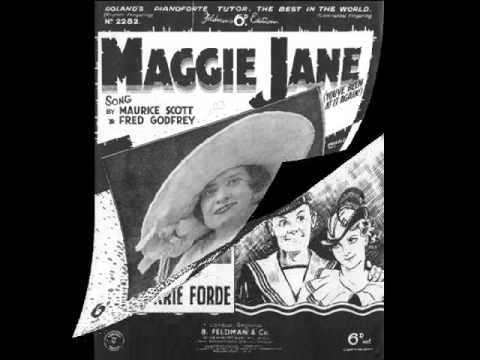
  • This popular First World War song, which was a favorite amongst the soldiers in the trenches towards the end of the war, was written by Bert Lee and R. P. Weston in 1917. The two London based songwriters would meet up each morning and reportedly wrote a song a day. Amongst the approximately 2,000 tunes they penned together were some of Britain's best known music hall and stage songs of the first half of the 20th century. These included "Paddy McGinty's Goat," "The Gipsy Warned Me" and the archaically titled "My Word You Do Look Queer." After Robert Weston's death in 1936, Lee teamed up with his late songwriting partner's son and they wrote together the cockney classic "Knee's Up Mother Brown."
  • When the music producer and songwriter Pete Waterman released this song in 1975 under the pseudonym 14-18, it became his first-ever UK hit, reaching #33. Waterman was at the time assistant A&R man at Magnet Records and the song was being heard a lot on television as part of an advert for Worthington's Bitter E. He originally tried to interest the singer of the song, Chris Neill, and the people behind the advert in putting it out as a single. However, when they showed no interest Waterman went into the studio and recorded it himself with the help of session musicians and "singers" drafted in from the local pub. Waterman recalled to Mojo magazine November 2008: "We got Top of the Pops and Thames TV featured it at night in their close-down spot - it came out during that time when TV closed down early every day. Not that it lasted long - they got so much length about the length of my hair, which they all thought was disgusting - that it got taken off after three days. I did it all in soldier's gear and, at one point, to save time, I actually got on a train in all this gear. Not a bright idea really. It was at the height of the IRA problems, and there I was, sitting on a train with a gun. No wonder I got arrested!"

    Waterman went on to become one of the leading producers in the UK, with credits on 13 UK #1 singles as part of the Stock Aitken Waterman production team.
  • The song was revived when it featured in the 1969 musical film Oh! What a Lovely War, where it appeared along with several other World War I songs. Additionally, the title of the final episode of the BBC comedy series Black Adder, which was set during the First World War, was "Goodbyeee..."
  • Among the well-known renditions of this song is one by the Scottish folk group the Humblebums on their 1969 self-titled album. The Scottish folk group included two members who went on to become famous, the comedian Billy Connolly and the singer-songwriter Gerry Rafferty later of Stealers Wheel and Baker Street fame. Alfred Lester and Daisy Wood are among the others to record it.

    The song also featured on the soundtrack of the 1969 musical Oh! What a Lovely War.. Additionally the title of the final episode of the BBC comedy series Black Adder, which was set during the First World War, was "Goodbyeee…"

Comments

Be the first to comment...

Editor's Picks

Stephen Christian of Anberlin

Stephen Christian of AnberlinSongwriter Interviews

The lead singer/lyricist for Anberlin breaks down "Impossible" and covers some tracks from their 2012 album Vital.

Emilio Castillo from Tower of Power

Emilio Castillo from Tower of PowerSongwriter Interviews

Emilio talks about what it's like to write and perform with the Tower of Power horns, and why every struggling band should have a friend like Huey Lewis.

Art Alexakis of Everclear

Art Alexakis of EverclearSongwriter Interviews

The lead singer of Everclear, Art is also their primary songwriter.

Graham Bonnet (Alcatrazz, Rainbow)

Graham Bonnet (Alcatrazz, Rainbow)Songwriter Interviews

Yngwie Malmsteen and Steve Vai were two of Graham's co-writers for some '80s rock classics.

They Might Be Giants

They Might Be GiantsSongwriter Interviews

Who writes a song about a name they found in a phone book? That's just one of the everyday things these guys find to sing about. Anything in their field of vision or general scope of knowledge is fair game. If you cross paths with them, so are you.

Who's Johnny, And Why Does He Show Up In So Many Songs

Who's Johnny, And Why Does He Show Up In So Many SongsSong Writing

For songwriters, Johnny represents the American man. He has been angry, cool, magic, a rebel and, of course, marching home.