Trouble Every Day

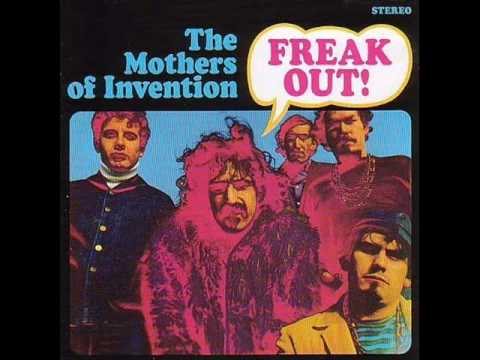
Album: Freak Out! (1966)
Play Video

Songfacts®:

  • Running to 6 minutes 16 seconds, this blues based Frank Zappa composition is described by his biographer Barry Miles as "a timeless rant against racial discrimination and the mindless commodification of news by American TV." Miles says Zappa wrote it while watching the 1965 Watts riots live on television, adding the riots lasted for six days and left 34 dead, more than a thousand wounded, and two hundred million dollars in damage. More than 30,000 Blacks took part in them, and there were around 4,000 arrests.

    Unlike the 1992 riots in the same city, Los Angeles, which were sparked by the acquittal of four police officers who had brutalized the motorist Rodney King, the Watts riots were sparked by the arrest of a motorist on suspicion of driving while intoxicated. In spite of appeals for calm by community leaders on the second day, the riots not only continued but worsened. It was only when the national guard were called in and a curfew implemented that the mayhem ceased.

    In March 1965, five months before the riots, Zappa himself fell foul of the law in an entrapment operation for a victimless crime; this left a bitter taste in his mouth for the rest of his life, and resulted in him writing many anti-authoritarian songs, most notably his three volume rock opera Joe's Garage about a world in which music was made illegal. Anti-authoritarian or not, Zappa was never any manner of bleeding-heart liberal, and "Trouble Every Day" clearly empathizes with the innocent victims of the riots.
  • Provisionally called "The Watts Riot Song," this was released as a single backed by "Who Are the Brain Police?" and was the only one of their songs MGM Records producer Tom Wilson had heard before he signed The Mothers Of Invention on March 1, 1966. It was rewritten slightly and re-released years later as "More Trouble Every Day."
  • Ray Collins plays harmonica on the track and Roy Estrada the guitarrón. >>>
    Suggestion credit:
    Alexander Baron - London, England, for above 3

Comments: 4

  • Lorraine Belcher Chamberlain from San Francisco, CaFrank & I watched the riot together on TV the phone...I was in LagunaBeach, he was in EchoPark. In the morning he called & read this to me. He came down to visit the next day & gave me the typed version, which I STILL HAVE, 55 years later. It was called "TroubleCominEveryDay"...a masterpiece to this day. The spoken part "I'm not Black..,but there's a whole lotta times I wish I could say I'm not White" resonates in my heart, still. Especially now. I'm sick that the racism simmering beneath the surface has reared its ugly head, into the daylight, again. We need to FACE IT & ERASE IT! Love one another, people!
  • Thomas from CanadaOne of the most important yet often ommited facts about this song is that it also contains the first recorded incidence of "Rap" style singing (an invention of Mr. Zappa). Through the association with black culture in this song Rap eventually got used by the popular music industry as a marketing tool to target black kids.
  • Barry from Gagetown Nb Canada, -Another branch off the old Zappa tree of variable intricities ...
  • Jeff B from Boston, MaFor all those people who think that infantile dreck like "Dina Mo Hum" and "Montana" are the pinnacle of Zappa's songwriting, just listen to this, a stinging indictment of interracial tension and the media's exploitation of it.
see more comments

Editor's Picks

Sarah Brightman

Sarah BrightmanSongwriter Interviews

One of the most popular classical vocalists in the land is lining up a trip to space, which is the inspiration for many of her songs.

Edie Brickell

Edie BrickellSongwriter Interviews

Edie Brickell on her collaborations with Paul Simon, Steve Martin and Willie Nelson, and her 2021 album with the New Bohemians.

Trucking Songs That Were #1 Hits

Trucking Songs That Were #1 HitsSong Writing

The stories behind the biggest hit songs about trucking.

Grateful Dead Characters

Grateful Dead CharactersMusic Quiz

Many unusual folks appear in Grateful Dead songs. Can you identify them?

Angelo Moore of Fishbone

Angelo Moore of FishboneSongwriter Interviews

Fishbone has always enjoyed much more acclaim than popularity - Angelo might know why.

Director Paul Rachman on "Hunger Strike," "Man in the Box," Kiss

Director Paul Rachman on "Hunger Strike," "Man in the Box," KissSong Writing

After cutting his teeth on hardcore punk videos, Paul defined the grunge look with his work on "Hunger Strike" and "Man in the Box."