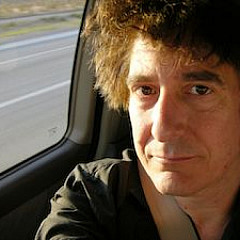
When Rock & Roll Library asked DeGraw what inspired him to write this song, he replied: "That song was heavily influenced by the identity crisis right now that exists amongst youth. It's almost like you can go into any town in the country and the kids don't necessarily have an identity of their own; it's like whatever is on television is who they are.
I noticed that for myself on the road traveling a lot. When I go from state to state and city to city, I see the same sort of homogenization that happens. There's this fast food chain and this soda company, and it's hard for any place to have identity and that's the same thing that's happening among the people in those towns, especially among youth. They don't have an identity of their own anymore.
It used to be that maybe there was a kid who lived in X neighborhood and was some sort of character which made that neighborhood unique and that was very cool and if you went to different neighborhoods there were different characters that gave the scene some local flavor. And now you go there and it is not that, it was whatever they are watching on television and it's really aggravating."
"I Don't Want To Be" was the theme song for the TV series One Tree Hill, which went on the air in September 2003. The show followed a group of high school kids as they made their way into adulthood - the song's theme of boldly staking out your identity hit the mark. One Tree Hill quickly found a following among young viewers, and that following found Gavin DeGraw.
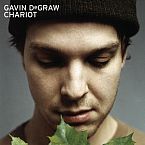
The song first appeared on DeGraw's debut album, Chariot, in July 2003. It wasn't released as a single until February 2004, and didn't make a move on the charts until One Tree Hill was in its second season. The song reached its chart peak of #10 on January 1, 2005, four months into the season.
DeGraw's father was a prison guard and his mother was a Botox specialist. That's where the opening lines to the song come from when he sings about being a "prison guard's son" and a "specialist's son."
The song reflects Gavin DeGraw's independent streak as a musician and as a person. He tried college, attenting both Ithaca College and Berklee College of Music, but the scenes didn't suit him. Musically, he rebelled against the prevailing trends in pop music, which leaned toward dance music and Nickelback-style rock in those years.
The follow-up single was "
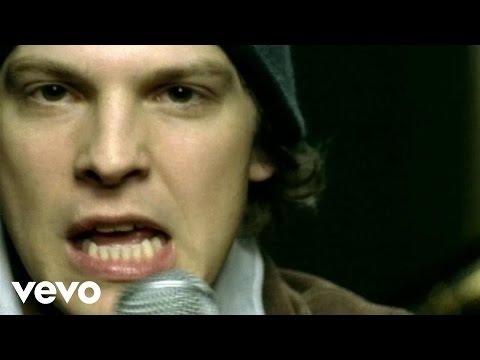
Chariot," which came with an elaborate video directed by Zach Braff and got a good amount of airplay. Gavin didn't release another album until 2008, which scrubbed a lot of his momentum. A lot of his time in the interim was spent opening a bar with his brother Joey called The National Underground, which opened in 2007 and shut down in 2013. He and Joey opened another bar in Nashville called the Nashville Underground in 2018.
DeGraw was signed to J Records, the label Clive Davis started in 2003. Davis had a lot of clout and some of his J artists were doing incredibly well, particularly Alicia Keys, Busta Rhymes and Monica. J made sure this song got a fair shake.
A hallmark of Gavin DeGraw's songwriting is including lots of his life story in his songs, which he did here. He
explained in a Songfacts interview: "You have to give enough details that someone can relate to you and believe what you're saying if you're songwriting. You also realize more so that personally, you're not going to feel good about what you're doing as a writer unless you really are being honest, because you're trying to get these feelings out of yourself this one time so you don't have to explain to yourself all the time about that one thing. If I write a song about this, I'm explaining myself to the best of my ability about these things that are going wrong with me, or going right with me. It helps you navigate the world and your own emotions as a creator."
"I Don't Want To Be" was a very popular song on American Idol for a while. Contestants to sing it include Bo Bice, Elliott Yamin, Casey James and Arthur Gunn.
DeGraw told Radio.com that he wanted to write a song to share with the world what his identity was, where he was from and what he represented. "To share my perspective in hopes that people would connect and go, 'Oh, wow. That's like me.' Or, 'Even if it isn't about me, I like where he's coming from,'" he said. "I think that is essentially the reason that the song has provided some long-term success, because it was so honest and people really just want something that they can say, 'That's real. I'm not embarrassed to like that. I feel like that is legitimate.'"