Au Pays Du Cocaine

Album: Getting Killed (2025)
Play Video

Songfacts®:

  • "Au Pays du Cocaine" drifts in with the gentle sway of a folk lullaby, the kind of tune that sounds as if it should be sung beside a fireplace while someone darns socks in the background. But this is Geese, after all, so the comforting melody is really just a nicely embroidered wrapper for something far trickier. Frontman Cameron Winter spends the song addressing a reluctant partner - a person leaning toward escape, or oblivion, or both - telling them they can be free without disappearing entirely. Think of it as the emotional sequel to all those songs where someone leaves on a ship ("Brandy (You're a Fine Girl)," every sea-shanty ever written), except this time Winter is calmly insisting: you can wander off, but you don't have to cut the ropes.
  • That brings us to the peculiar image:

    Like a sailor in a big green boat
    Like a sailor in a big green coat


    Green is a famously unlucky color for seafarers, an old maritime superstition suggesting storms or curses. So when Winter sings this, it's less "Staying Alive" and more "Wreck Of The Edmund Fitzgerald." He's essentially saying: even if you go sailing straight into trouble (addiction being the neon-lit elephant suggested by the title) you're still allowed to come back. Freedom, minus the exile.
  • The "Au Pays du Cocaine" title is a deliberate corruption of the Renaissance painter Pieter Bruegel the Elder's 1567 masterpiece Het Luilekkerland, known in French as le pays de cocagne, "the land of plenty." Cockaigne was an imaginary land of extreme luxury, ease, and plenty; essentially a peasant's utopia that served as the satirical opposite of the harsh reality of medieval life. By swapping cocagne for cocaine, the song turns utopia into its modern, powder-flecked counterpart: a place where abundance becomes excess, pleasure becomes compulsion, and the magic roast goose is replaced by a substance that ruins far more lives than it improves. It's Cockaigne rewritten for an age of self-destruction.
  • The track appears on Getting Killed, the band's fourth album, recorded in January 2025 in Los Angeles with producer Kenneth Blume, better known in his previous life as Kenny Beats. Blume's hip-hop background gives the rhythm section the kind of spine usually reserved for songs about running from the law or declaring dominance over rival empires. And yet here it holds up a lullaby.
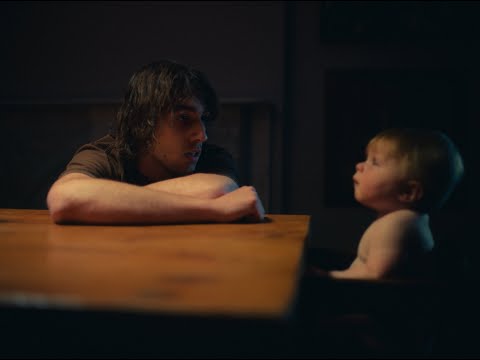
  • Directed by Milo Hume, the video shows Cameron Winter seated at an absurdly long wooden table, singing to three different babies, each staring with the inscrutable expression babies reserve for tax accountants and puppets. Later, Winter climbs into a crib himself.

    The concept came from Hume listening to the unreleased album in June 2025. Winter's intense, admonishing tone in the studio made Hume wonder: who on earth is he lecturing? The answer - babies - led to a video that manages to be funny, unsettling, and overwhelmingly sweet.

    Fans have built entire interpretive cathedrals upon this. Some see Winter addressing his younger self; others see metaphors for childhood trauma, or a reclamation of innocence. Hume, in classic director fashion, insists it means whatever you want it to mean.
  • Consequence ranked "Au Pays du Cocaine" their Best Song of 2025, noting that "Winter's yearning cries of total devotion, to be a fixed point as the other grows and changes and lives, are both devastating and heartwarming."
  • Geese performed "Au Pays du Cocaine" on the January 24, 2026, episode of Saturday Night Live. It was their debut as the musical guest on the comedy sketch show.

Comments

Be the first to comment...

Editor's Picks

Mike Love of The Beach Boys

Mike Love of The Beach BoysSongwriter Interviews

The lead singer/lyricist of The Beach Boys talks about coming up with the words for "Good Vibrations," "Fun, Fun, Fun," "Kokomo" and other classic songs.

Jim McCarty of The Yardbirds

Jim McCarty of The YardbirdsSongwriter Interviews

The Yardbirds drummer explains how they created their sound and talks about working with their famous guitarists.

American Hits With Foreign Titles

American Hits With Foreign TitlesSong Writing

What are the biggest US hits with French, Spanish (not "Rico Suave"), Italian, Scottish, Greek, and Japanese titles?

He Hit Me (And It Felt Like A Kiss): A History Of Abuse Pop

He Hit Me (And It Felt Like A Kiss): A History Of Abuse PopSong Writing

Songs that seem to glorify violence against women are often misinterpreted - but not always.

The Police

The PoliceFact or Fiction

Do their first three albums have French titles? Is "De Do Do Do, De Da Da Da" really meaningless? See if you can tell in this Fact or Fiction.

Laura Nyro

Laura NyroSongwriting Legends

Laura Nyro talks about her complex, emotionally rich songwriting and how she supports women's culture through her art.