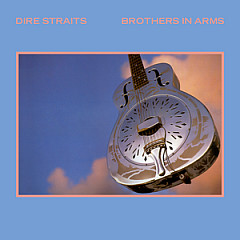
Memories Of Old Days

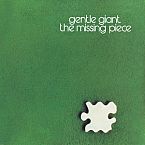
Album: The Missing Piece (1977)
Play Video

Songfacts®:

  • "Memories Of Old Days" is the seventh track on the 1977 Gentle Giant album the Missing Piece, which is their ninth studio album. On a rather controversial album amongst Gentle Giant fans, this is the song that most agree is the best on the album.

    Memories Of Old Days is an important album in the Gentle Giant catalog. It represents the first aftermaths of the turning point of their history - from here it was downhill until their breakup. After years of stubbornly forcing their audience to accept them on their own terms, Gentle Giant was finally beginning to reap some rewards. With the previous relative successes of The Power and the Glory and Free Hand, their fandom was growing as more and more listeners started to take them seriously. Then their 1976 album Interview got swept to the side. What else happened in 1976 in the UK? That's right: Punk Rock. Suddenly, Gentle Giant became recognized as the masters of the kind of music that had just gone out of style, as fashions went in the opposite direction. This album was their response.

    Side one of the album is a tradition-shattering mix of styles including pop and punk; for the shock of your lifetime, listen to "Betcha Thought We Couldn't Do It." Side two of the album is a more sober assembly of their progressive rock style, and it's "Memories Of Old Days" which probably best sums up where they were standing at the time and what it looked like from there.

    From the liner notes, keyboardist Kerry Minnear looks back: "At this stage, certainly, one or two members of the band were becoming frustrated by the straitjacket we'd made for ourselves... Because of the nature of what we were, we felt obliged to play quite experimental music all the time. Ray was getting quite heavily into Punk because it was just a total burst of energy and enthusiasm, and I think that appealed to him because it was so completely different to what we were. I confess I was a bit nonplused by some of the things that were going on in the band... Personally, I had much less enthusiasm for breaking free of these restrictions we'd placed on ourselves."
  • In our Songfacts interview, Ray Shulman gives some insight into Gentle Giant's creative process: "Kerry came from a formal composition background. Kerry could actually sit down with a manuscript paper in front of him, and write an orchestration down. Often, on the more complex vocal arrangements, he'd do that for us. But apart from that, the only technology available to us was a sound-on-sound tape recorder, where you basically recorded one instrument, and then kind of swapped its track, going onto another. So it was very basic technology, but that really was one part at a time. And then you'd add something different and just see what happened, see how they interacted with each other. And you'd say, 'Oh, it's an interesting idea there.' And then you develop that bit." (Check out the full Gentle Giant interview with Derek and Ray Shulman)

Comments

Be the first to comment...

Editor's Picks

Graham Parker

Graham ParkerSongwriter Interviews

When Judd Apatow needed under-appreciated rockers for his Knocked Up sequel, he immediately thought of Parker, who just happened to be getting his band The Rumour back together.
Richard Marx

Richard MarxSongwriter Interviews

Richard explains how Joe Walsh kickstarted his career, and why he chose Hazard, Nebraska for a hit.
Bob Dylan Lyric Quiz

Bob Dylan Lyric QuizMusic Quiz

Think you know your Bob Dylan lyrics? Take this quiz to find out.

Bill Medley of The Righteous Brothers

Bill Medley of The Righteous BrothersSongwriter Interviews

Medley looks back on "Unchained Melody" and "You've Lost That Lovin' Feelin'" - his huge hits from the '60s that were later revived in movies.
Director Nick Morris ("The Final Countdown")

Director Nick Morris ("The Final Countdown")Song Writing

Nick made some of the biggest videos on MTV, including "The Final Countdown," "Heaven" and "Don't Know What You Got (Till It's Gone)."

Lace the Music: How LSD Changed Popular Music

Lace the Music: How LSD Changed Popular MusicSong Writing

Starting in Virginia City, Nevada and rippling out to the Haight-Ashbury, LSD reshaped popular music.