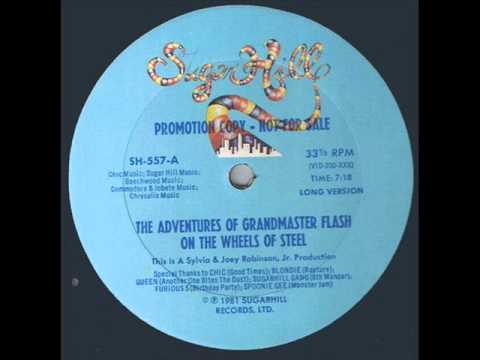
The Adventures of Grandmaster Flash on the Wheels of Steel

Album: The Best of Grandmaster Flash and Sugar Hill (1981)
Play Video

Songfacts®:

  • Folks born after the dawn of Hip-Hop will probably read about this song, listen to it, and wonder what all the fuss is about. After all, it's just a bunch of dance songs mixed together, and it's kind of a harsh mix. The big deal is that it was the first song ever made by chopping up pieces of other songs and connecting them in a way to create a new track. It introduced sampling, and spotlighted the cutting and scratching techniques that were the hallmarks of early Hip Hop. Today, any kid can easily make something like this with software that probably came preloaded on his computer, but in 1981, it required 2 turntables and some serious beatmixing skills. Grandmaster Flash was a DJ, not a rapper, and he had been performing in New York city since 1976, often as the entertainment at parties. His art was in figuring out how to mix songs together using their breakbeats, so the music would keep going. He was also one of the first to do scratching, which was moving the record back and forth on the turntable, which made the transitions a lot easier.
  • There was no editing on this track - Grandmaster Flash did it live in the studio after mapping out his cuts. He would put marks on the labels of his records so he would know when to bring the next one in, which is something he learned playing years of parties. It took him a few takes to get all his cues in the right place, but the end result at the time sounded like perfection. In the era of remixing and editing, every beat can be scrutinized and altered, but considering what Flash accomplished with what he had to work with, it was remarkable and extraordinary. It also demonstrated what you would hear at one of his live performances.
  • The songs Flash mixed on this track were: "Rapture" by Blondie, "Good Times" by Chic, the group's own "Birthday Party," "Monster Jam" by Spoonie Gee, "Another One Bites The Dust" by Queen, and "8th Wonder" by The Sugarhill Gang.
  • Grandmaster Flash and the Furious Five recorded for Sugarhill Records, which was run by Sylvia Robinson, who was the Sylvia in Mickey & Sylvia, and the impresario behind The Sugarhill Gang. Robinson worked with Flash to select the songs for the mix, and is listed as the producer of the single.
  • This is the definitive Grandmaster Flash song; the one the best defines his career. The most famous songs attributed to some variation of Grandmaster Flash are "White Lines" and "The Message," but Flash actually had very little to do with those. His talent was working with existing songs to create a captivating live show, and is some cases helping live musicians re-recreate these tracks coordinated with rappers. Building original songs from scratch (no pun intended) was not his thing.

Comments: 2

  • Moosehead from ScGirls love the way he spins! now that's a fire!!!!
  • David Mccullagh from UkIt’s done on 3 turntables…
see more comments

Editor's Picks

Brandi Carlile

Brandi CarlileSongwriter Interviews

As a 5-year-old, Brandi was writing lyrics to instrumental versions lullabies. She still puts her heart into her songs, including the one Elton John sings on.

Petula Clark

Petula ClarkSongwriter Interviews

Petula talks about her hits "Downtown" and "Don't Sleep In The Subway," and explains her Michael Jackson connection.
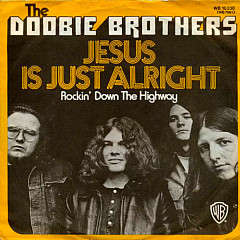
Jesus In Pop Hits: The Gospel Songs That Went Mainstream

Jesus In Pop Hits: The Gospel Songs That Went MainstreamSong Writing

These overtly religious songs crossed over to the pop charts, despite resistance from fans, and in many cases, churches.

Hawksley Workman

Hawksley WorkmanSongwriter Interviews

One of Canada's most popular and eclectic performers, Hawksley tells stories about his oldest songs, his plentiful side projects, and the ways that he keeps his songwriting fresh.
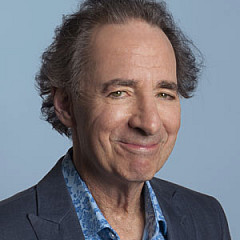
Harry Shearer

Harry ShearerSongwriter Interviews

Harry is Derek Smalls in Spinal Tap, Mark Shubb in The Folksmen, and Mr. Burns on The Simpsons.

Michael Glabicki of Rusted Root

Michael Glabicki of Rusted RootSongwriter Interviews

Michael tells the story of "Send Me On My Way," and explains why some of the words in the song don't have a literal meaning.