
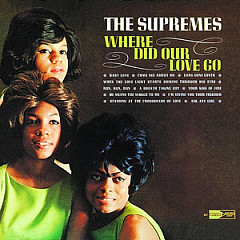
When "Baby Love" reached the top spot, The Supremes became the first Motown act with two #1 hits on the Hot 100.
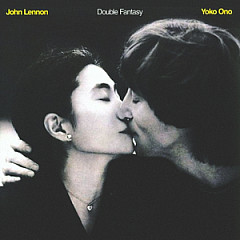
In the late '70s, John Lennon slowed his roll, becoming a househusband who baked bread and took care of his young son Sean. This inspired his song "Watching The Wheels," where he discovers the benefits of taking it easy.
The 1979 song "Life During Wartime" by Talking Heads deals with how technology could be exploited to take down the framework of society and enable government surveillance.
The UK band The Lightning Seeds of "Pure" fame got their name from a misheard line in Prince's "Raspberry Beret," mistaking "thunder drowns out what the lightning sees" for "thunder drowns out the lightning seeds."
"Jessie's Girl" tells the true story of a girl Rick Springfield was crushing on, but her boyfriend's name was really Gary and he was more of an acquaintance than a friend.
Elvis Presley' first #1 on any chart was "I Forgot To Remember To Forget." It arrived at the top of the Country tally on February 25, 1956 and stayed there for two weeks.

Fiona's highly-anticipated third album almost didn't make it. Here's how it finally came together after two years and a leak.
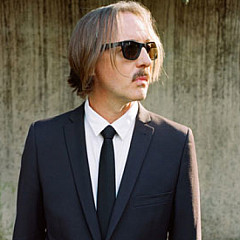
The Garbage drummer/songwriter produced the Nirvana album Nevermind, and Smashing Pumpkins' Gish and Siamese Dream.
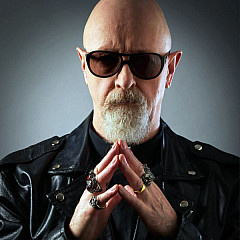
Rob Halford dives into some of his Judas Priest lyrics, talking about his most personal songs and the message behind "You've Got Another Thing Comin'."
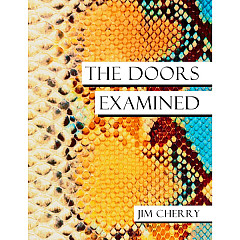
Doors expert Jim Cherry, author of The Doors Examined, talks about some of their defining songs and exposes some Jim Morrison myths.
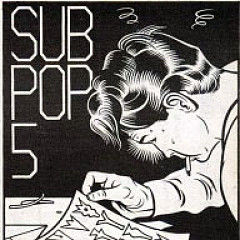
With $50 and a glue stick, Bruce Pavitt created Sub Pop, a fanzine-turned-label that gave the world Nirvana and grunge. He explains how motivated individuals can shift culture.
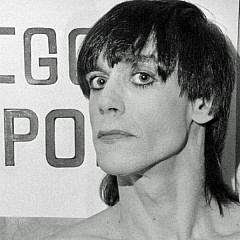
Chris Stein of Blondie shares photos and stories from his book about the New York City punk scene.