

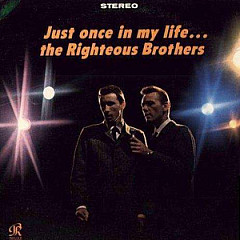
"Unchained Melody" first appeared in a 1955 movie called Unchained. The Righteous Brothers recorded it in 1965, and their version was resurrected in the 1990 movie Ghost.
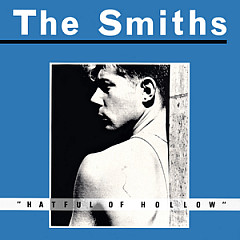
The opening line in "How Soon Is Now?" by The Smiths is "I am the son and the heir," not "I am the sun and the air."
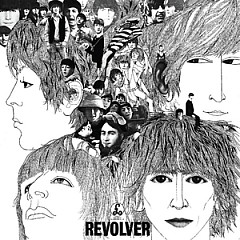
Paul McCartney based the "Eleanor Rigby" story on old ladies he met at his housing estate. He saw how sometimes when they died, nobody really noticed.
"The Candy Man" is the opening song in the 1971 movie Willie Wonka And The Chocolate Factory, but the version released as a single was by Rat Pack member Sammy Davis Jr. It was a #1 hit and became his signature song even though his audience was very adult.
The Eagles' first single, "Take It Easy," was written by Jackson Browne, who was living in the apartment below Glenn Frey when he wrote it.
The first big hit to blend EDM with country music was "Wake Me Up" by the Swedish DJ Avicii. He put the song together with Mike Einziger of Incubus and with Aloe Blacc, who sings on it.
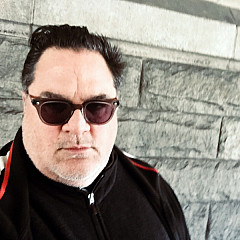
Director Mark Pellington on Pearl Jam's "Jeremy," and music videos he made for U2, Jon Bon Jovi and Imagine Dragons.
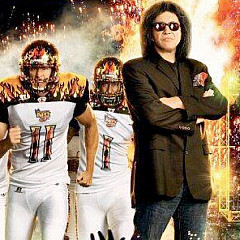
The Kiss rocker covers a lot of ground in this interview, including why there are no Kiss collaborations, and why the Rock Hall has "become a sham."
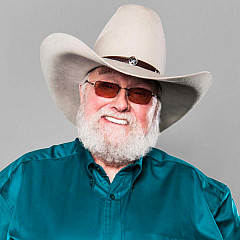
Charlie discusses the songs that made him a Southern Rock icon, and settles the Devil vs. Johnny argument once and for all.
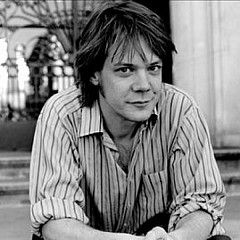
Dave explains how the video appropriated the meaning of "Runaway Train," and what he thought of getting parodied by Weird Al.
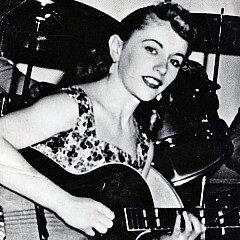
A top session musician, Carol played on hundreds of hits by The Beach Boys, The Monkees, Frank Sinatra and many others.
Kevin Godley talks about directing classic videos for The Police, U2 and Duran Duran, and discusses song and videos he made with 10cc and Godley & Creme.