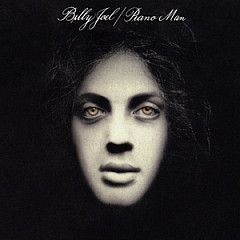
The Dress Makes the Man

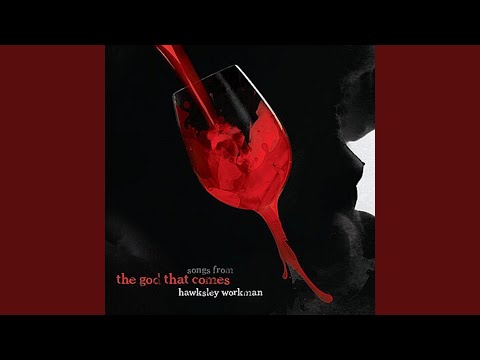
Album: Songs from The God That Comes (2013)
Play Video

Songfacts®:

  • "The Dress Makes the Man" from Hawksley Workman's one-man show, The God That Comes, is reminiscent of some of his earlier songs such as "Paper Shoes," "Dirty and True," "Jealous of Your Cigarette," and "Striptease" because of its sexual theme. Workman revealed in our interview that it was not a conscious decision or intentional for him to return to that theme. It just naturally happened.
  • The God That Comes is a retelling of the Greek tragedy The Bacchae by Euripides. Workman plays three characters in his rock and roll cabaret version: Pentheus - the King of Thebes, Bacchus - the God of Wine, and the King's mother, Agave.

    The story revolves around Pentheus being upset that his people are engaging in scandalous activities such as alcohol consumption and copulation to worship Bacchus. Pentheus learns that his mother, Agave, is partaking in these outrageous events on a mountain. Bacchus suggests to Pentheus to dress like a woman as a disguise so he can see what is happening for himself. "The Dress Makes the Man" is the moment when that occurs. Workman told us about how he and co-creator, Christian Barry, wanted to paint Pentheus as sexually frustrated and confused: "We always thought in the text that was so funny how willing and ready he was to cross dress despite the fact that he was coming down so hard on homosexuals and women."

    The idea is displayed well in the song with these lyrics:

    Now I've heard it be told by the brave and the bold
    That a dress, a dress makes the man
    And I know I've been clear in my position on queers
    Which makes the whole thing so hard to understand
    Now I don't mind to try it, but maybe not a steady diet
  • The writing process for The God That Comes happened in three sessions over the course of a year. One occurred in Calgary, Alberta where Workman and Christian Barry set up a piano and would just improvise the songs. Workman spoke to us about how they did not have a plan regarding their writing process.

    "We would read modern versions," he said. "We would read older versions. We would read news items that sort of related to the characters in the play. The room was just so full of ideas and pregnant with inspiration that I don't know. You just sit at the piano and the songs would pop out."

    He continued to explain that most of the songs written for The God That Comes came to life that way with just Workman sitting at a piano and following whatever came out of his mouth in that moment.

Comments

Be the first to comment...

Editor's Picks

Andrew Farriss of INXS

Andrew Farriss of INXSSongwriter Interviews

Andrew Farriss on writing with Michael Hutchence, the stories behind "Mystify" and other INXS hits, and his country-flavored debut solo album.
Jethro Tull

Jethro TullFact or Fiction

Stage urinals, flute devices, and the real Aqualung in this Fact or Fiction.
Songs in Famous Movie Scenes: Tarantino Edition

Songs in Famous Movie Scenes: Tarantino EditionMusic Quiz

Whether he's splitting ears or burning Nazis, Quentin Tarantino uses memorable music in his films. See if you can match the song to the scene.
Mike Rutherford (Genesis, Mike + The Mechanics)

Mike Rutherford (Genesis, Mike + The Mechanics)Songwriter Interviews

Mike Rutherford talks about the "Silent Running" storyline and "Land Of Confusion" in the age of Trump.
Donald Fagen

Donald FagenSongwriter Interviews

Fagen talks about how the Steely Dan songwriting strategy has changed over the years, and explains why you don't hear many covers of their songs.

Soul Train Stories with Stephen McMillian

Soul Train Stories with Stephen McMillianSong Writing

A Soul Train dancer takes us through a day on the show, and explains what you had to do to get camera time.