

Jessie J had a lyric from her song "Who You Are" tattooed on her hip, but she spelled "lose" incorrectly so it reads: "Don't loose who you are in the blur of the stars."
Fall Out Boy's "The Kids Aren't Alright" song title is not a reference to The Offspring's 1998 single of the same name. It actually alludes to The Who's 1979 rockumentary film called The Kids Are Alright.
"Today" by Smashing Pumpkins is sarcastic in the line "today is the greatest day." Lead singer Billy Corgan wrote it about the crippling depression he was battling following the band's first big tour.
The French part in Talking Heads' "Psycho Killer" explains that the killer is going after a girl, like Norman Bates in the movie Psycho.
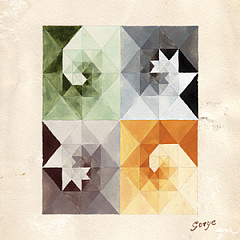
45% of the royalties for "Somebody That I Used To Know" go to the estate of the Brazilian classical guitarist Luiz Bonfá, whose song "Seville" Gotye sampled.
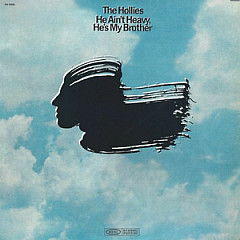
The motto for Boys Town, which was a Nebraska home for troubled youth, inspired the song "He Ain't Heavy, He's My Brother" by The Hollies.

Despite her reticent personality, Adele's life and music are filled with intrigue. See if you can spot the true tales.

The Prince-penned "Manic Monday" was the first song The Bangles heard coming from a car radio, but "Eternal Flame" is closest to Susanna's heart, perhaps because she sang it in "various states of undress."
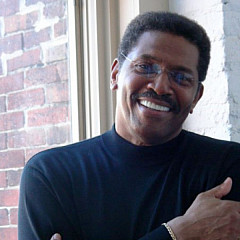
Phil was a songwriter, producer and voice behind many Philadelphia soul classics. When disco hit, he got an interesting project: The Village People.
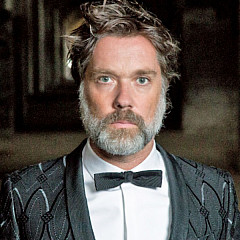
Rufus Wainwright on "Hallelujah," his album Unfollow The Rules, and getting into his "lyric trance" on 12-hour walks.

Yngwie Malmsteen and Steve Vai were two of Graham's co-writers for some '80s rock classics.

Based on criteria like girlfriend tension, stage mishaps and drummer turnover, these are the 10 bands most like Spinal Tap.