The Book Of Souls

Album: The Book of Souls (2015)
Play Video

Songfacts®:

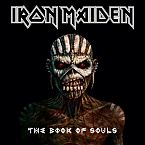
  • This is the title track of Iron Maiden's 16th LP. While not a concept album, references to the soul and mortality appear throughout the record. The loose theme is realized in the Mayan-themed cover artwork, created by Mark Wilkinson, who has also designed art for Marillion and Judas Priest.
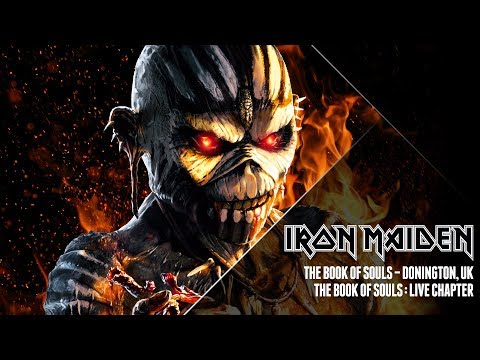
  • The album cover features the original version of the Iron Maiden logo, not used on a studio album since 1995's The X Factor. Bassist Steve Harris explained to Kerrang! that the artwork ties in with this song, as the depiction of the band's mascot, Eddie, is based on the Mayan civilization, who "believe that souls live on [after death]."
  • The Book Of Souls debuted at #1 on the UK album chart. It was the fifth time that Iron Maiden had reached the top spot in their home country. Their previous sets to do were 1982's The Number Of The Beast, 1988's Seventh Son Of A Seventh Son, 1992's Fear Of The Dark and 2010's The Final Frontier.
  • The Book of Souls debuted at #4 on the US album chart. Its first-week sales figure of 74,000 copies was Iron Maiden's largest since Nielsen Music began tracking sales in 1991. It was also the band's sixth successive studio longplayer to arrive with a higher first-week sales sum than its predecessor, reflecting an impressive growth of the veteran group's fan base in an era of shrinking record sales.
  • Bassist Steve Harris wrote the song with guitarist Janick Gers. Harris explained the song's meaning to Classic Rock magazine: "It comes from the Mayan culture in South America," he said. "It intrigued me, in the same way that I was interested in ancient Egypt when we did Powerslave. The Mayans believed in the Underworld and were scared of losing their souls. That mystical element was the key to the song."
  • Harris admitted the track's fast-flowing riff is quite similar to the Powerslave song, "Losfer Words." However, he wrote "Losfer Words," and it was Janick Gers who wrote this tune's fast riff so he decided it doesn't matter. The bassist said: "If I didn't write it, it's not like I'm repeating myself (laughs). Janick didn't realize it sounded similar because he wasn't in the band when we did Powerslave."

    "And you know, the two riffs aren't exactly the same. The new one is in a different key and the notes are slightly different, but it has a similar feel, let's put it that way. But you can't get bogged down with stuff like that. And really, why shouldn't we sound a bit like our old selves a bit?"

Comments

Be the first to comment...

Editor's Picks

Philip Cody

Philip CodySongwriter Interviews

A talented lyricist, Philip helped revive Neil Sedaka's career with the words to "Laughter In The Rain" and "Bad Blood."

Michael Franti

Michael FrantiSongwriter Interviews

Franti tells the story behind his hit "Say Hey (I Love You)" and explains why yoga is an integral part of his lifestyle and his Soulshine tour.

Graham Parker

Graham ParkerSongwriter Interviews

When Judd Apatow needed under-appreciated rockers for his Knocked Up sequel, he immediately thought of Parker, who just happened to be getting his band The Rumour back together.

Dennis DeYoung

Dennis DeYoungSongwriter Interviews

Dennis DeYoung explains why "Mr. Roboto" is the defining Styx song, and what the "gathering of angels" represents in "Come Sail Away."

Chris Frantz of Talking Heads

Chris Frantz of Talking HeadsSongwriter Interviews

Talking Heads drummer Chris Frantz on where the term "new wave" originated, the story of "Naive Melody," and why they never recorded another cover song after "Take Me To The River."

Dar Williams

Dar WilliamsSongwriter Interviews

A popular contemporary folk singer, Williams still remembers the sticky note that changed her life in college.