Gang Gang Gang

Album: Jackman (2023)
Play Video

Songfacts®:

  • "Gang Gang Gang" is a poignant track that delves into the complexities of friendship and loyalty. Jack Harlow's lyrics paint a vivid picture of how the people we hold closest can sometimes turn out to be the worst version of themselves.
  • As Harlow narrates in the song, our friends make up our gang, and we stick with them through thick and thin. But when they cross certain boundaries, things can take a different turn, and the "bro code" that governs male friendships must be discarded.

    The song opens with the chorus, where Harlow pledges his unwavering support for his gang.
    Ride for my dogs, lie for my dogs, die for my dogs
    Ride for my dogs, lie for my dogs, die for my dogs
    Because it's
    Gang, gang, gang


    As the lyrics unfold, Harlow shines a light on how some men use the "bro code" as an excuse to turn a blind eye to abusive behavior perpetuated by their buddies.
  • Each of the first two verses focuses on a childhood friend turned predator. The first verse centers on Marcus, a once-beloved member of Jack's gang who, as it turns out, grew up to be a rapist. Similarly, the second verse details the story of Kevin, another childhood friend who devolved into a child molester. These revelations shock Harlow, and initially, he can hardly believe the people he grew up with could be capable of such heinous acts.
  • The third verse drives home the sentiment that there are certain people who, no matter how long you've known them, you're better off avoiding. Harlow emphasizes the fact that people can change over time, and sometimes we may never truly know who someone is.

    Truthfully, it's family 'til it can't be, gang 'til it ain't
    Twins, but it depends, brothers until somethin' is uncovered
    Dawgs until the lifting of the fog
    "I always got you," turns into "Well, I never thought you"


    Harlow admits it's hard to let go of someone you once considered a close friend who's turned out to be someone you'd rather not associate with. He highlights the importance of being accountable for our relationships and urges listeners to hold their friends accountable, regardless of how long they've known them.
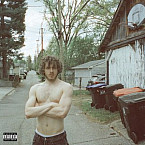
  • Harlow recorded "Gang Gang Gang" for this third album, Jackman. The album is titled after the rapper's first name.
  • Harlow co-wrote "Gang Gang Gang" with singer-songwriter and producer, Rashad Thomas. Columbus, Ohio, native Thomas also produced "It Can't Be" for the record.

    Timothy Gane and Lætitia Sadier of the avant-pop band Stereolab also get credits because "Gang Gang Gang" samples their 2002 track, "Baby Lulu."
  • The narrative of each verse is brought to life in the Eliel Ford-directed visual. Like the video for "They Don't Love It," the clip was filmed in entirely Jack Harlow's hometown of Louisville, Kentucky.

Comments

Be the first to comment...

Editor's Picks

Graham Parker

Graham ParkerSongwriter Interviews

When Judd Apatow needed under-appreciated rockers for his Knocked Up sequel, he immediately thought of Parker, who just happened to be getting his band The Rumour back together.
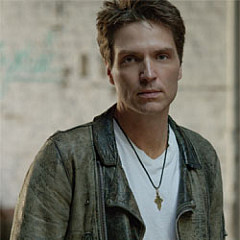
Richard Marx

Richard MarxSongwriter Interviews

Richard explains how Joe Walsh kickstarted his career, and why he chose Hazard, Nebraska for a hit.
Bob Dylan Lyric Quiz

Bob Dylan Lyric QuizMusic Quiz

Think you know your Bob Dylan lyrics? Take this quiz to find out.

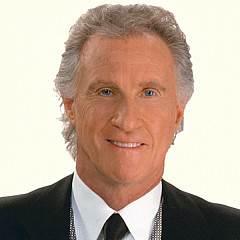
Bill Medley of The Righteous Brothers

Bill Medley of The Righteous BrothersSongwriter Interviews

Medley looks back on "Unchained Melody" and "You've Lost That Lovin' Feelin'" - his huge hits from the '60s that were later revived in movies.
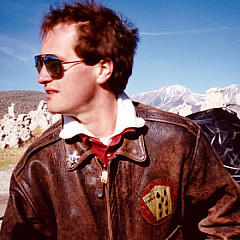
Director Nick Morris ("The Final Countdown")

Director Nick Morris ("The Final Countdown")Song Writing

Nick made some of the biggest videos on MTV, including "The Final Countdown," "Heaven" and "Don't Know What You Got (Till It's Gone)."
Lace the Music: How LSD Changed Popular Music

Lace the Music: How LSD Changed Popular MusicSong Writing

Starting in Virginia City, Nevada and rippling out to the Haight-Ashbury, LSD reshaped popular music.