Night Train

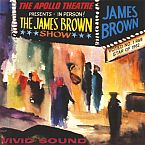
Album: Live at the Apollo (1963)
Charted: 35
Play Video

Songfacts®:

  • Noticing the enthusiastic response his shows were getting, James Brown pitched the idea of a live album to label boss Syd Nathan. When Nathan refused, Brown went it alone, spending $5,700 of his own money on taping a 1962 session at Harlem's Apollo Theater. To Nathan's surprise, Live at the Apollo was a rapid seller, spending 66 weeks on the Billboard Top Pop Albums chart, peaking at #2. This song was the record's closing track.
  • Live at The Apollo was ranked #25 on Rolling Stone magazine's list of the 500 greatest albums of all time.
  • "Night Train" was first recorded by Jimmy Forrest as a 12-bar blues instrumental in 1951 and was penned by the jazz musician with guitarist Oscar Washington. It became a #1 R&B hit for Forrest the following year and a big band version recorded by trombone player Buddy Morrow and his orchestra the same year also reached #27 on the pop charts. The song quickly became a staple theme of R&B combos and the rock and roll instrumental group The Viscounts returned the tune to the charts in 1960 peaking at #82 and American arranger Richard Hayman peaked two positions higher with his version the following year.
  • Several different sets of lyrics have been set to the tune of "Night Train"; James Brown's version features a shouted list of of his regular East Coast tour venues along with many repetitions of the song's name. Originally appearing as a track on the album James Brown Presents His Band and Five Other Great Artists, it received a single release in 1962 and became a hit, peaking at #35 on the Pop chart.
  • James Brown's version is played during the bar fight scene of the 1998 action comedy film, Rush Hour.

Comments: 2

  • Barry from Sauquoit, NyOn September 3, 1960, the Viscounts performed their covered version of "Night Train" on the ABC-TV program 'The Dick Clark Saturday Night Beech-Nut Show.
    Two months earlier on July 18th "Night Train" entered Billboard's Top 100 chart at position #100, three weeks later it would peak at #82 {for 1 week} and it spent 5 weeks on the Top 100...
    Earlier in 1960 on February 1st their "Harlem Nocturne"* peaked at #52 {for 1 week} and stayed on the chart for 16 weeks...
    Besides the the above two records, they had one other Top 100 record, "Wabash Blues", it reached #77 on January 9th, 1961...
    * Five years later on October 24th, 1965 "Harlem Nocturne" re-entered the Top 100 at #84, and on December 26th it peaked at #39 {for 1 week}. "Night Train" also tried to re-enter the Top 100 but only got as high at #122 on Billboard's Bubbling Under the Top 100 chart.
  • Barry from Sauquoit, NyOn September 1st 1965, James Brown and the Famous Flames performed "Night Train" on the ABC-TV program 'Shindig!' {it was during the show's closing credits}...
    Three years earlier on April 8th, 1962 it entered Billboard's Hot Top 100 chart at position #89; and on May 20th, 1962 it peaked at #35 {for 1 week} and spent 11 weeks on the Top 100...
    It reached #5 on Billboard's R&B Singles chart...
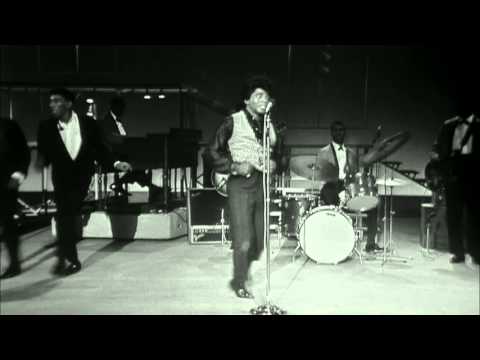
    On October 29th, 1964 James Brown performed the song on 'The T.A.M.I. Show' in Los Angeles; the act following him were the Rolling Stones, and they were hesitant about taking the stage after seeing 'The Godfather of Soul' doing his thing!!!
    Personal note: I attended a James Brown concert at the Dome in Virginia Beach VA in 1967, was the greatest live show I’ve ever seen, he was amazing!
see more comments

Editor's Picks

Muhammad Ali: His Musical Legacy and the Songs he Inspired

Muhammad Ali: His Musical Legacy and the Songs he InspiredSong Writing

Before he was the champ, Ali released an album called I Am The Greatest!, but his musical influence is best heard in the songs he inspired.

Michael Sweet of Stryper

Michael Sweet of StryperSongwriter Interviews

Find out how God and glam metal go together from the Stryper frontman.

Devo

DevoSongwriter Interviews

Devo founders Mark Mothersbaugh and Jerry Casale take us into their world of subversive performance art. They may be right about the De-Evoloution thing.

Dennis DeYoung

Dennis DeYoungSongwriter Interviews

Dennis DeYoung explains why "Mr. Roboto" is the defining Styx song, and what the "gathering of angels" represents in "Come Sail Away."

Tom Bailey of Thompson Twins

Tom Bailey of Thompson TwinsSongwriter Interviews

Tom stopped performing Thompson Twins songs in 1987, in part because of their personal nature: "Hold Me Now" came after an argument with his bandmate/girlfriend Alannah Currie.

Evolution Of The Prince Symbol

Evolution Of The Prince SymbolSong Writing

The evolution of the symbol that was Prince's name from 1993-2000.