
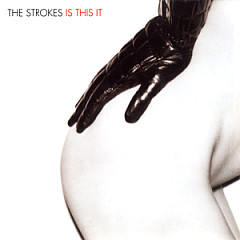
The Strokes admitted to purloining Tom Petty & the Heartbreakers' "American Girl" for their hit "Last Nite."
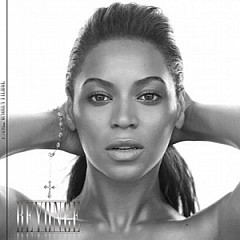
Beyoncé married Jay-Z five months before releasing "Single Ladies (Put a Ring On It)," a song she sang in character as her alter-ego, Sasha Fierce.
Elton John had a huge hit duetting with Kiki Dee on "Don't Go Breaking My Heart," but he's also performed it with RuPaul and Miss Piggy.
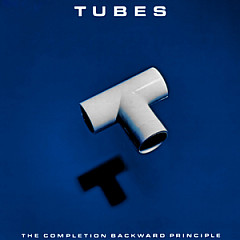
"Talk To Ya Later" proved the power of MTV when sales of Tubes albums picked up in markets like Tulsa, Oklahoma, where the network was available.
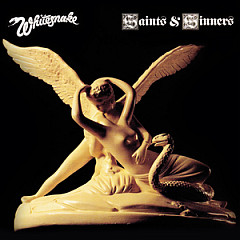
Whitesnake's "Here I Go Again" is a very inspiring song, but it's really about heartbreak: David Coverdale wrote it when his first marriage was falling apart.
The rockabilly sound was big in the late 1950s, when Buddy Holly was popular. One of the biggest hits in that genre was the #1 "Party Doll" by Buddy Knox, which used a cardboard box filled with cotton as the drums.
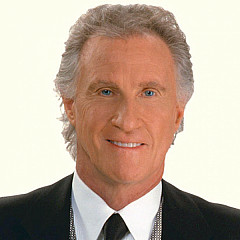
Medley looks back on "Unchained Melody" and "You've Lost That Lovin' Feelin'" - his huge hits from the '60s that were later revived in movies.
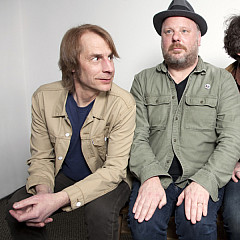
When he was asked to write a song for the Singles soundtrack, Mark thought the Seattle grunge scene was already overblown, so that's what he wrote about.
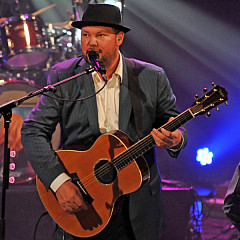
The man who created Yacht Rock with "Sailing" wrote one of his biggest hits while on acid.
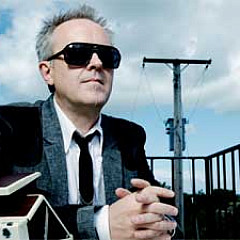
Howard explains his positive songwriting method and how uplifting songs can carry a deeper message.
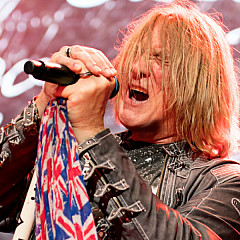
Can you name Def Leppard's only #1 hit in America? Get rocked with this adrenalized quiz.
The stories behind the biggest hit songs about trucking.